





Similar Content: Telematics Helps Connecticut State Fleet Reduce Fuel Costs
Arizona DOT Fleet Management Leads to $6 Million in Savings
Legislation in 2021 gave ADOT the authority to consolidate the fleet, and the agency began implementing standardized best management practices that reduce duplication, cut costs, and improve processes.
April 28, 2022
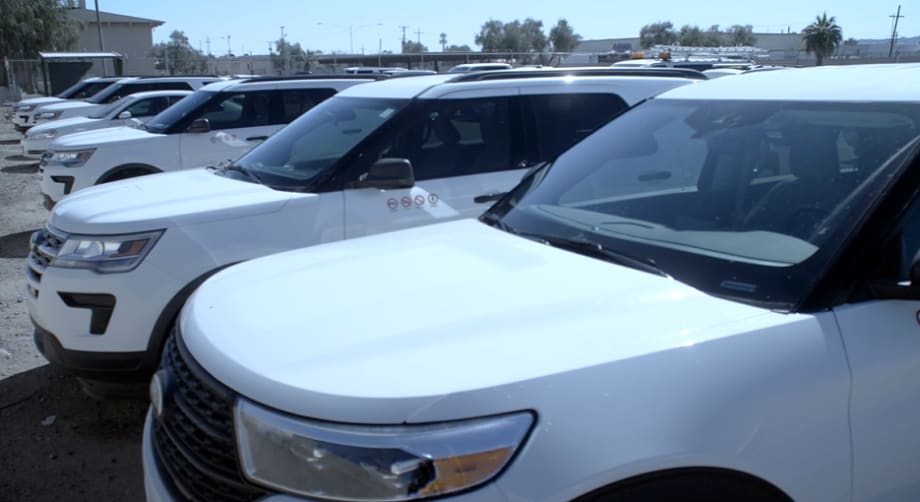
Legislation in 2021 gave the Arizona Department of Transportation the authority to consolidate the fleet and the agency began implementing standardized best management practices that reduce duplication, cut costs and improve processes.
Photo: Arizona Department of Transportation
2 min to read
The Arizona Department of Transportation (ADOT) has saved taxpayers more than $6 million since taking over the management of fleet vehicles for more than 60 state agencies beginning in 2021. The takeover was conducted after State Senator T.J. Shope introduced legislation to transfer the operations, according to a press release.
It gave ADOT the authority to consolidate the fleet, and the agency began implementing standardized best management practices that reduce duplication, cut costs, and improve processes. These practices align with the Arizona Management System introduced by the Governor in 2015. With this consolidation, the state fleet operations follow the same uniform guidelines, including purchasing and preventive maintenance.
“The fleet consolidation effort is a win-win for taxpayers and the state,” ADOT Director John Halikowski said. “We are already witnessing savings by reducing the size of the state’s fleet, ordering in bulk, and selling vehicles online. We are creating uniform guidelines and processes that will maximize resources and provide improved service to customers.”
According to the press release, the effort has led to several achievements:
Reduced underutilized assets including sedans, minivans, half-ton pickups, and SUVs, saving more than $6 million.
Implemented a standardized vehicle replacement system.
Moved preventive maintenance schedules from 6,000 miles to 8,000 miles while following manufacturers’ guidelines.
Implemented a cost-savings statewide fleet tire policy.
Sold more than 1,000 vehicles for other state agencies since March 2020 and received on average 15% above Blue Book value.
Maximized vehicle replacement savings by leveraging the state’s vehicle order size.
More Operations
A Thanksgiving Feast of Fleet Features
This Thanksgiving, revisit five Government Fleet stories about how public fleets handled some of the year’s most familiar challenges.

Remembering Jim Wright, Public Fleet Hall of Famer and CFMO Founder
James 'Jim' B. Wright, who founded the Certified Fleet Management Organization (CFMO) program and guided it for many years, died Wednesday evening, Nov. 18.

What Fleet Metrics Can Miss, Plus 2027 Police Vehicle Tests and Awards
What could a healthy-looking fleet metric be hiding? This week’s roundup looks at when to dig deeper, how 2027 patrol vehicles performed in preliminary tests, and how to apply for the Police Fleet Innovators Award.

What Can Disappear After a Fleet Crash?
This week, we look at drone footage, what fleets should document before repairs begin, and share a quick poll.

Does Your Government Fleet Handle Refuse and Waste Operations? Take Our Poll
Government Fleet wants to hear from public-sector fleet professionals about their responsibilities for refuse collection and waste management equipment.

Fleet Replacement Decisions, Waste Fleet Technology and the GFX Deadline
Is your next vehicle the right fit, can your records settle a missed pickup dispute, and what could your fleet teach others at GFX 2027?

Is Delaying Fleet Replacement Really Saving Money?
Could delaying replacement cost your fleet more than it saves? This week’s recap takes a closer look, plus an update on GFX 2027.

What Government Fleets Are Missing About Their True Costs
What are fleet budgets missing, and how can agencies use the data they already collect to make a stronger case for change?

Rethinking Fleet Decisions From the Budget Office to the Shop
This October we looked back at how public fleets are reconsidering familiar processes and using what they learn to make better decisions.

Who Owns the Message on a Refuse Truck?
Refuse trucks can carry public messages into neighborhoods, but keeping those messages current takes planning and clear responsibility.