


 MENU
MENU SEARCHMENUSEARCH
Loading data...
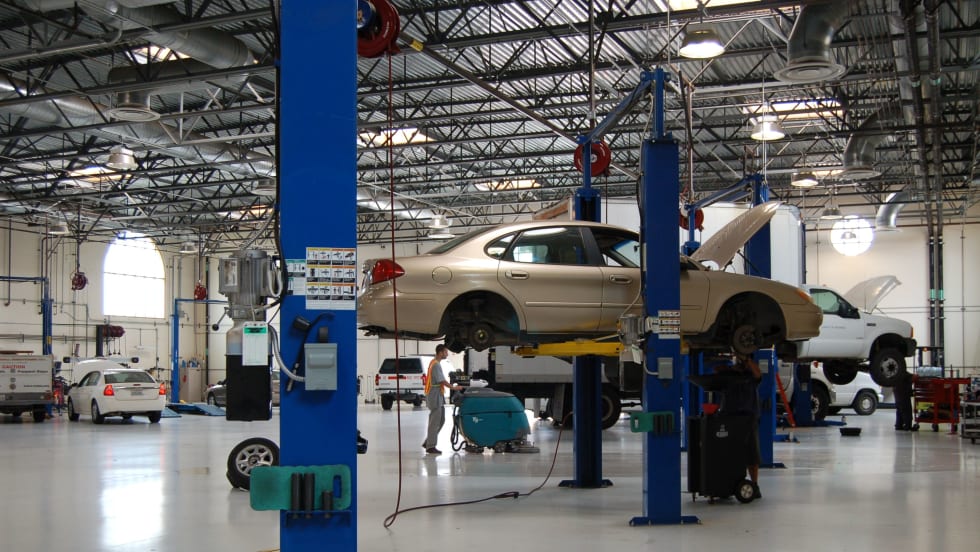
The City of Richmond, Va., should work on improving its fleet operations and take back its partially outsourced fleet maintenance, the city auditor wrote in a January report.
Read More →SACRAMENTO, CA - Sacramento’s new city auditor Jorge Oseguera has narrowed down the top four areas of municipal government he will investigate first, one of which is the city’s fleet management.
Read More →
An analysis of a sample of fuel purchases and usage showed that the Town of Lyonsdale, N.Y., was unable to account for 2,510 gallons of fuel.
Read More →JACKSONVILLE, FL — The city of Jacksonville will spend more than $8 million on gas alone this year, according to a report on WJXX TV First Coast News.
Read More →WASHINGTON - A new D.C. audit found vehicles assigned to the offices of the mayor and schools chancellor have racked up more than $1,000 in unpaid parking tickets and traffic fines.
Read More →
Faster and TransitCheck integrate inspection and maintenance workflows to help fleets address defects faster and improve compliance tracking.
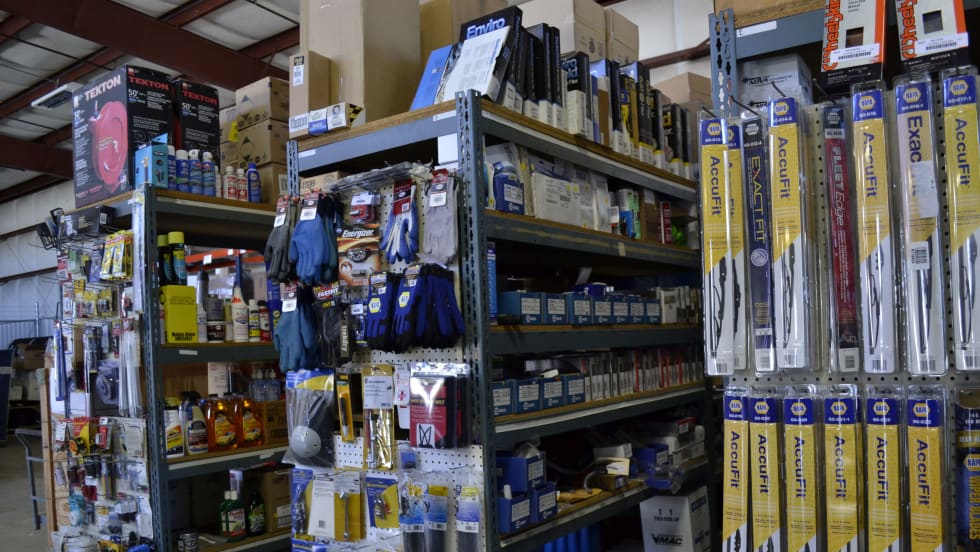
Read More →An internal audit recommends that the New York City Department of Citywide Administrative Services (DCAS) tighten oversight of its parts management contract with NAPA.
Read More →To keep you in the loop, this episode is a quick reset on what mattered during the past month, from how to turn award season into a practical self-audit to what “leadership” looks like.
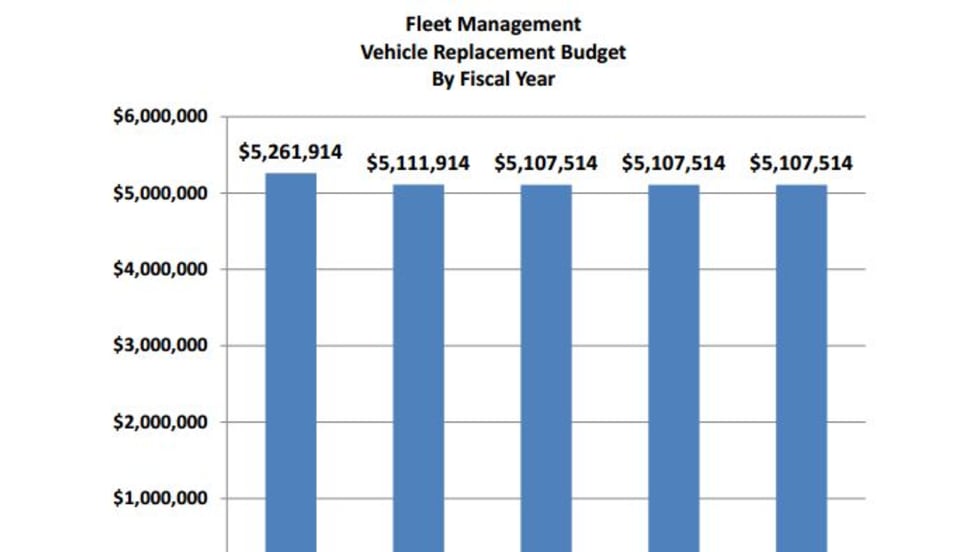
Read More →Insufficient funding, no separate funding for totaled vehicles, and the rising cost of equipment make it difficult for the City of Virginia Beach, Va., to replace all its aging units.
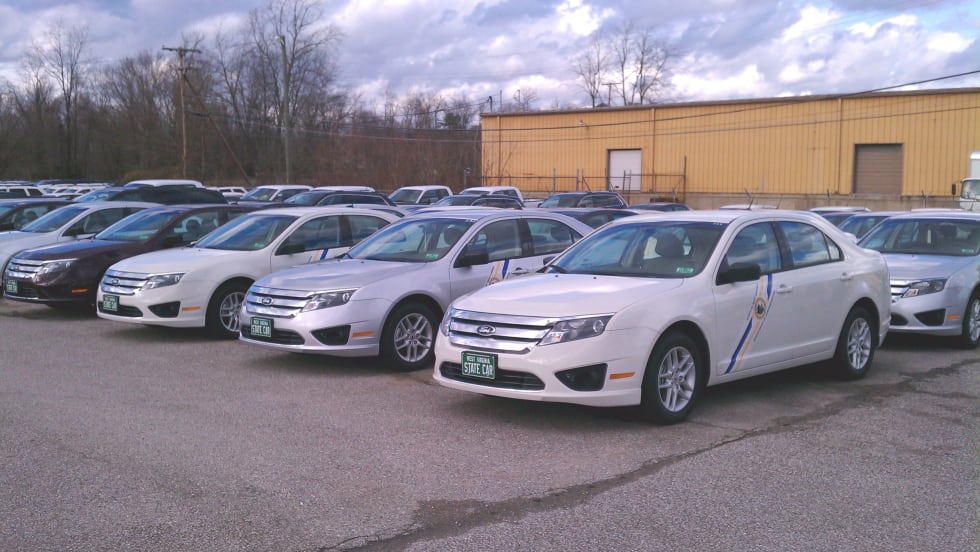
Read More →The State of West Virginia is undergoing a fleet audit to determine an accurate vehicle count and to see if it really needs all its vehicles.
Read More →