




Tulsa Testing Online Auctions
The City of Tulsa, Okla., is beginning its online auction test with Purple Wave and will conduct at least one more test this summer before comparing results with those of the City’s traditional auctions.
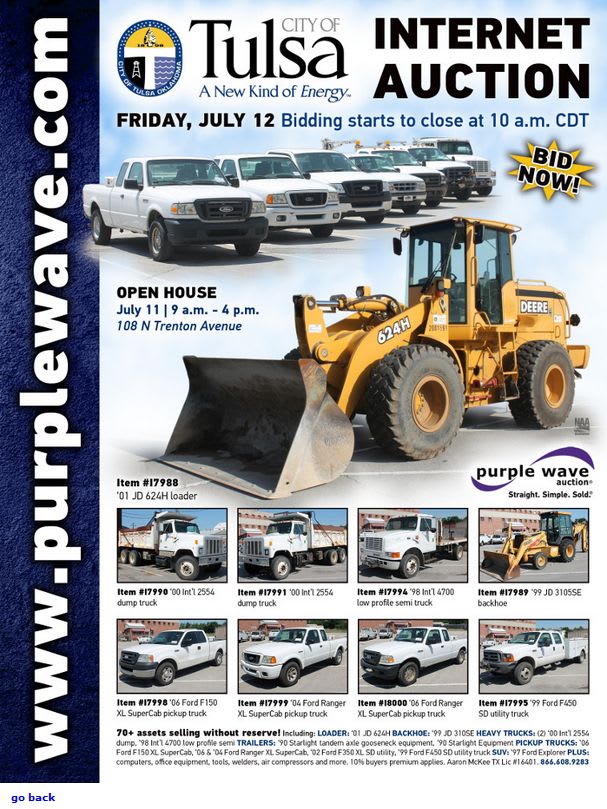
Image courtesy of Purple Wave
Image courtesy of Purple Wave
The City of Tulsa, Okla., began its first online surplus property auction on June 21 for vehicles, office equipment, heavy equipment, and other merchandise. The auction, which includes 13 fleet items out of a total of 74 lots, ends July 12.
The City is beginning its online auction test with Purple Wave and will conduct at least one more test this summer using Lone Star Auctioneers. It will then compare the results of the online auctions with those of the City’s traditional auctions with the goal of maximizing returns and lowering the cost of disposing surplus property.
In this initial test, Purple Wave staff photographed, described, and uploaded product information to its website for bidding, according to Patricia Cummings, purchasing services coordinator for the City of Tulsa’s Finance Department. The company will also collect funds, remit payment to the City, and provide City staff with final reports.
The City is opening its surplus property facility on the last two days so local bidders can view the items.
The City normally conducts two auctions annually, one in the springtime and one in the fall. Cummings said on average, it sells about 150 fleet items per year, auctioned simultaneously with all other surplus products.
To view vehicles and products for sale, visit the Purple Wave site.
More Remarketing
Missouri County Enters Partnership for Vehicle Leasing and Sales
In a recent development focused on improving operational efficiency, Franklin County, Missouri, has entered into agreements with Enterprise Fleet Management.
Read More →
The State of the Vehicle Market Today
What is the state of the vehicle market today? What are you thinking about when deciding to order vehicles? What might be some of the considerations for vehicle replacement? Find answers to these questions and more on this episode of GovCast.
Read More →
The State of the Vehicle Market Today
Answers around the state of the vehicle market, what to consider when ordering vehicles, and more.
Read More →
Sold! Why You Should Use Auctions for Used Fleet Vehicles
A seasoned government fleet manager shares why using auctions to sell used vehicles can be valuable.
Read More →
Using Online Auctions to Fill Gaps in Fleets
Commercial fleets are constantly dealing with canceled vehicle orders. Government fleets can help meet these needs – and cash in – by selling their used vehicles and heavy equipment.
Read More →
NYC Faces Lawsuit Over New Vehicle Auction Contract
The city's previous contractor argues it was not made aware of a new contract DCAS was working on for 10 months. It also argues the new contract will cost the city $6 million more.
Read More →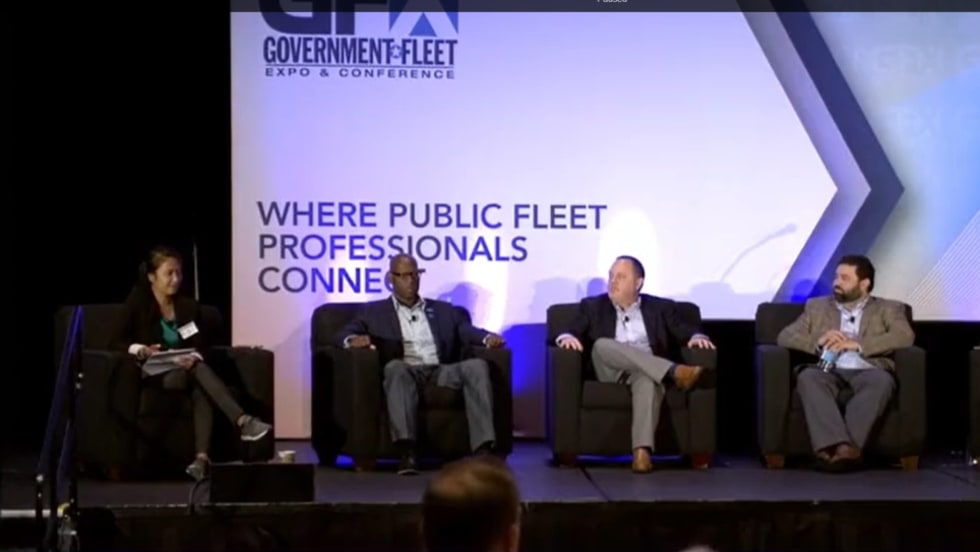
4 Tactics to Exploit Delivery Delays & High Resale Values Now
A panel at GFX suggested tactics for fleet managers to take advantage of the current long vehicle delivery delays and astounding resale values.
Read More →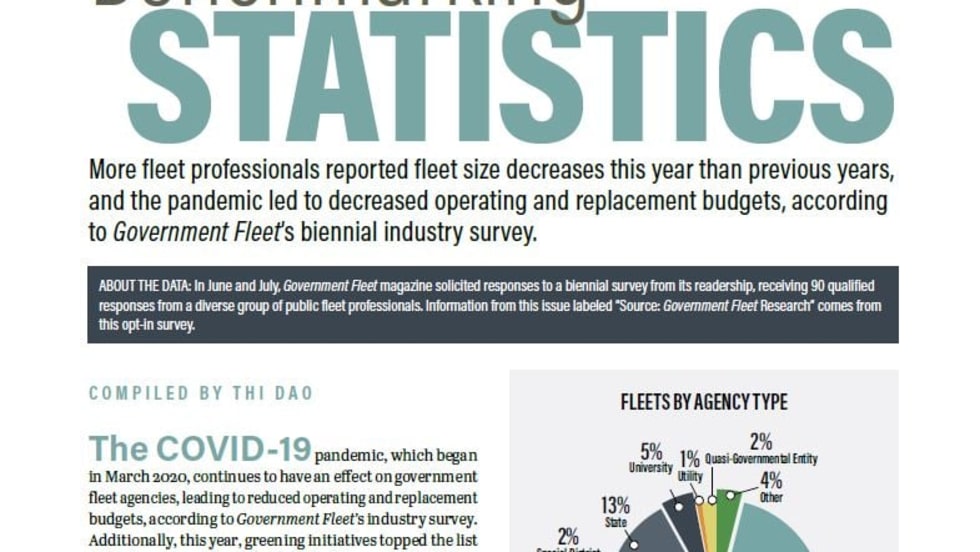
2021 Benchmarking Statistics
This report covers public sector fleet operations statistics for 2021, taken from Government Fleet's biennial industry survey.
Read More →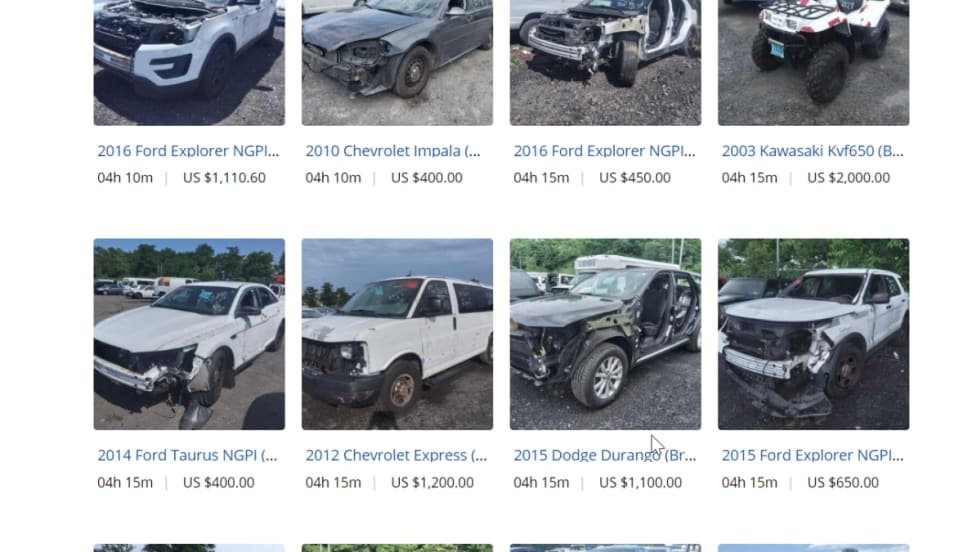
NYC Posts Record Fleet Revenue with Strong Resale Values
For fiscal-year 2021, New York City DCAS brought in $15.75 million in revenue between the sale of used vehicles and pursuit of restitution when private vehicles damage fleet vehicles.
Read More →
The Effect of COVID-19 on Remarketing
The onset of the pandemic put a pause on live auctions and shifted sales online. Is it a trend that’s here to stay?
Read More →