




Related: Audit Recommends Ohio DOT Eliminate 636 Vehicle and Equipment Assets
Ohio DOT Audit Suggests $1.7M in Savings
A state audit found that the Ohio Department of Transportation could save more than $1.7 million by eliminating blended biodiesel, adopting new methods for remarketing, and optimizing vehicle life cycles.
by Staff
July 14, 2015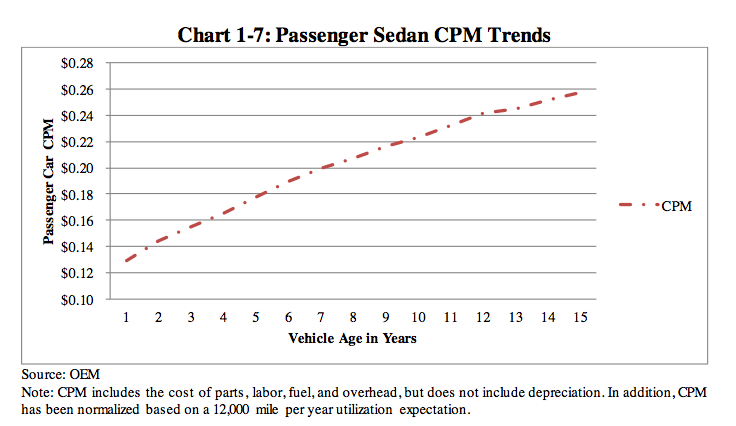
Graph via audit report.
2 min to read
A state audit found that the Ohio Department of Transportation (ODOT) could save more than $1.7 million through fleet efficiencies such as eliminating use of blended biodiesel, adopting new methods for vehicle remarketing, and optimizing vehicle life cycles to reduce operating costs.
The department has a fleet of 4,718 vehicles, and the fleet manager within its Office of Equipment Management oversees equipment management and works with district managers.
The area with the most in potential savings is reducing vehicle age. Auditors stated that by adopting optimized fleet cycling guidelines, the fleet could save $1.42 million annually in reduced operating costs and better remarketing value.
ODOT currently uses the Department of Administrative Services (DAS) guideline for light vehicles of 6 years or 90,000 miles for replacement, but management was concerned that a single guideline was not optimal. Auditors provided replacement guidelines that range from four years or 48,000 miles for passenger cars and other small vehicles to 11 years or 132,000 miles for utility trucks. They calculated potential savings by looking at cents per mile.
Auditors also said ODOT could increase remarketing revenue by $126,898 annually by adopting the Ohio Dept. of Administrative Services’ method. This would mean moving from district-specific online auctions to larger live auctions in areas of high demand.
Finally, auditors stated that ODOT could save $202,475 annually by eliminating the use of biodiesel, which would reduce unscheduled filter repairs. The DOT previously had to comply with a law that mandated state agencies use biodiesel, a mandate that the governor lifted in April of this year with an effective date of July 1.
Use of B-20 biodiesel year-round has led to increases in vehicle breakdowns and maintenance expenses, ODOT leadership and staff told auditors. It is also more expensive, with the department paying $7.8 million in increased cost per gallon for biodiesel since the mandate was created in 2007.
Gelling during cold weather led to breakdowns and unscheduled filter replacements. Between 2009 and 2012, ODOT spent between $202,000 and $463,000 annually on these filter replacements. The department has been reducing its biodiesel use because of the maintenance problems. Auditors pointed to various state agencies using a lower blend of biodiesel in the winter months as a way to prevent the problem, but recommended the department eliminate its use entirely to save on maintenance costs.
In ODOT’s official response to the audit, department management agreed with the findings.
The audit was released in June. To view the full report, click here.
More Remarketing
Missouri County Enters Partnership for Vehicle Leasing and Sales
In a recent development focused on improving operational efficiency, Franklin County, Missouri, has entered into agreements with Enterprise Fleet Management.
Read More →
The State of the Vehicle Market Today
What is the state of the vehicle market today? What are you thinking about when deciding to order vehicles? What might be some of the considerations for vehicle replacement? Find answers to these questions and more on this episode of GovCast.
Read More →
The State of the Vehicle Market Today
Answers around the state of the vehicle market, what to consider when ordering vehicles, and more.
Read More →
Sold! Why You Should Use Auctions for Used Fleet Vehicles
A seasoned government fleet manager shares why using auctions to sell used vehicles can be valuable.
Read More →
Using Online Auctions to Fill Gaps in Fleets
Commercial fleets are constantly dealing with canceled vehicle orders. Government fleets can help meet these needs – and cash in – by selling their used vehicles and heavy equipment.
Read More →
NYC Faces Lawsuit Over New Vehicle Auction Contract
The city's previous contractor argues it was not made aware of a new contract DCAS was working on for 10 months. It also argues the new contract will cost the city $6 million more.
Read More →
4 Tactics to Exploit Delivery Delays & High Resale Values Now
A panel at GFX suggested tactics for fleet managers to take advantage of the current long vehicle delivery delays and astounding resale values.
Read More →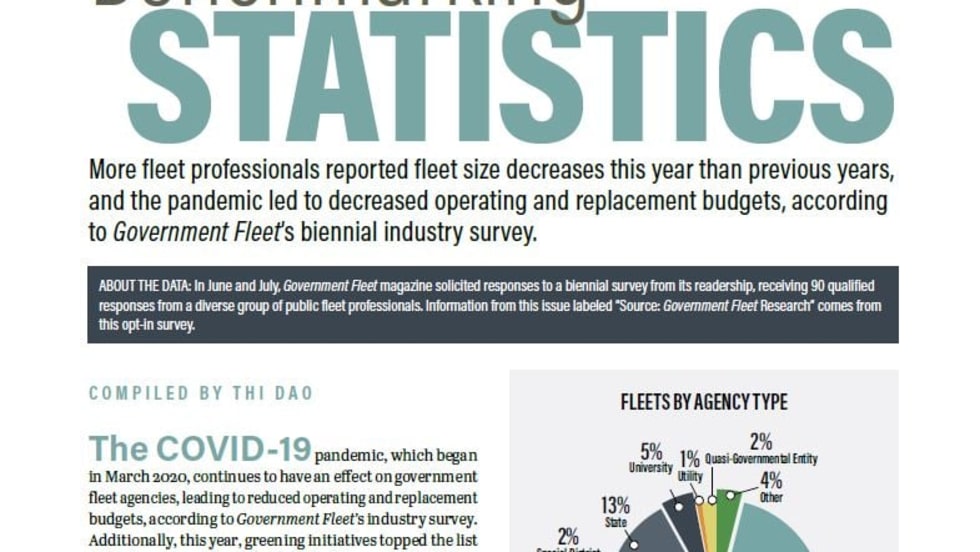
2021 Benchmarking Statistics
This report covers public sector fleet operations statistics for 2021, taken from Government Fleet's biennial industry survey.
Read More →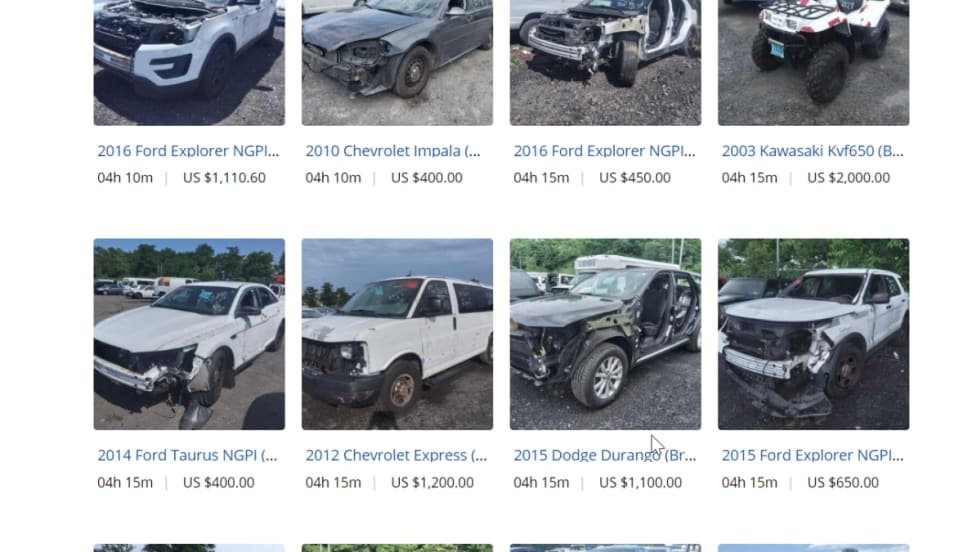
NYC Posts Record Fleet Revenue with Strong Resale Values
For fiscal-year 2021, New York City DCAS brought in $15.75 million in revenue between the sale of used vehicles and pursuit of restitution when private vehicles damage fleet vehicles.
Read More →
The Effect of COVID-19 on Remarketing
The onset of the pandemic put a pause on live auctions and shifted sales online. Is it a trend that’s here to stay?
Read More →