




GSA to Use Stimulus Monies to Buy $300M Worth of 'Green' Vehicles
WASHINGTON – The U.S. General Services Administration announced plans to buy and deliver $300 million worth of energy-efficient and alternative-fuel vehicles using funds from the American Recovery and Reinvestment Act.
WASHINGTON – The U.S. General Services Administration (GSA) announced plans to buy and deliver $300 million worth of energy-efficient and alternative-fuel vehicles using funds from the American Recovery and Reinvestment Act.
"GSA will focus on vehicles that will provide long-term environmental benefits and savings by increasing the energy efficiency of the Federal fleet," said GSA acting Administrator Paul Prouty. "We will achieve this by using newer, more energy-efficient vehicles and advanced technologies while spending the money quickly to stimulate the economy."
GSA will spend about $285 million for 17,600 commercially available fuel-efficient vehicles by June 1. Included are 2,500 hybrid sedans to be ordered by April 15.
GSA will also dedicate $15 million to pilot advanced technology vehicles in its fleet. Pilot programs will focus on commercially available compressed natural gas and hybrid buses, and all-electric vehicles. These orders will be placed by Sept. 30.
"GSA will use existing, competitively bid contracts for all orders and does not intend to award new contracts to spend Recovery Act money," said Commissioner James A. Williams of GSA's Federal Acquisition Service.
GSA will buy new motor vehicles only to replace, on a one-for-one basis, operational motor vehicles in the federal inventory that currently meet replacement standards. Each vehicle purchased must have a higher mpg rating than the vehicle it replaces with the overall goal of at least a 10-percent increase in fuel efficiency for the entire procurement.
More Remarketing
Missouri County Enters Partnership for Vehicle Leasing and Sales
In a recent development focused on improving operational efficiency, Franklin County, Missouri, has entered into agreements with Enterprise Fleet Management.
Read More →
The State of the Vehicle Market Today
What is the state of the vehicle market today? What are you thinking about when deciding to order vehicles? What might be some of the considerations for vehicle replacement? Find answers to these questions and more on this episode of GovCast.
Read More →
The State of the Vehicle Market Today
Answers around the state of the vehicle market, what to consider when ordering vehicles, and more.
Read More →
Sold! Why You Should Use Auctions for Used Fleet Vehicles
A seasoned government fleet manager shares why using auctions to sell used vehicles can be valuable.
Read More →
Using Online Auctions to Fill Gaps in Fleets
Commercial fleets are constantly dealing with canceled vehicle orders. Government fleets can help meet these needs – and cash in – by selling their used vehicles and heavy equipment.
Read More →
NYC Faces Lawsuit Over New Vehicle Auction Contract
The city's previous contractor argues it was not made aware of a new contract DCAS was working on for 10 months. It also argues the new contract will cost the city $6 million more.
Read More →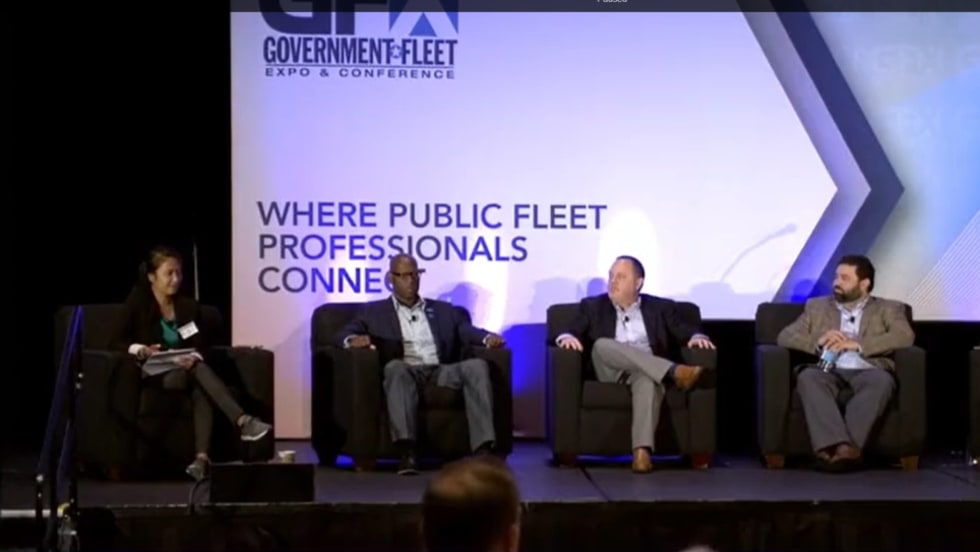
4 Tactics to Exploit Delivery Delays & High Resale Values Now
A panel at GFX suggested tactics for fleet managers to take advantage of the current long vehicle delivery delays and astounding resale values.
Read More →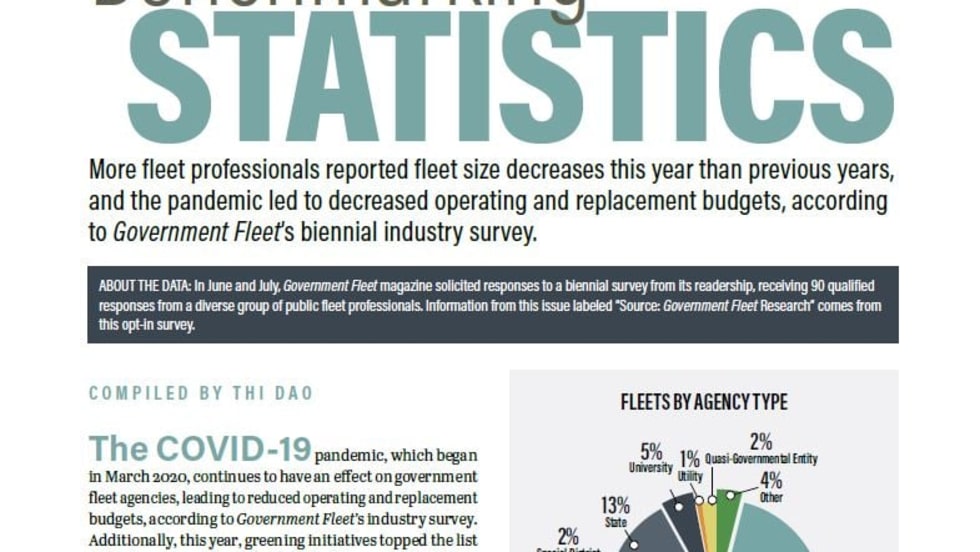
2021 Benchmarking Statistics
This report covers public sector fleet operations statistics for 2021, taken from Government Fleet's biennial industry survey.
Read More →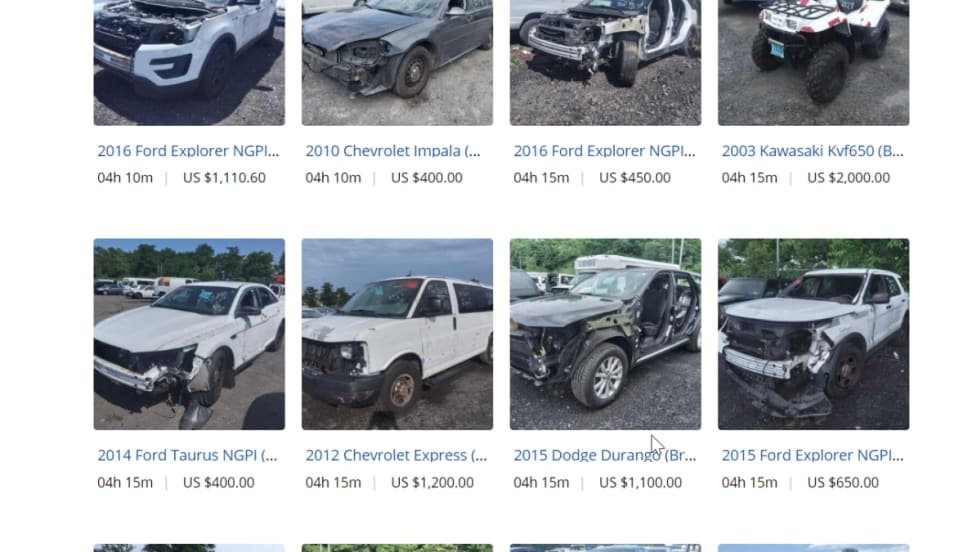
NYC Posts Record Fleet Revenue with Strong Resale Values
For fiscal-year 2021, New York City DCAS brought in $15.75 million in revenue between the sale of used vehicles and pursuit of restitution when private vehicles damage fleet vehicles.
Read More →
The Effect of COVID-19 on Remarketing
The onset of the pandemic put a pause on live auctions and shifted sales online. Is it a trend that’s here to stay?
Read More →