




Audit: 69% of W.Va. Agencies Lack Written Fleet Policies
A West Virginia audit reviewed written fleet management policies related to maintenance, commuting, and fleet-size optimization from 93 agencies.
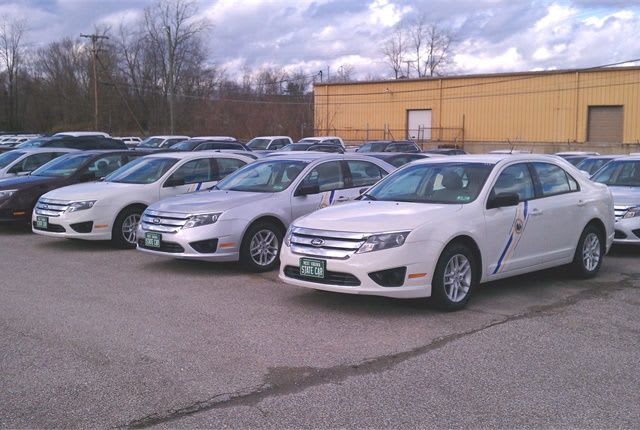
Photo courtesy of State of West Virginia

Photo courtesy of State of West Virginia
Sixty-nine percent of West Virginia agencies that use state vehicles do not have written fleet management policies, according to a new report. The West Virginia Legislature Performance Evaluation and Research Division requested and reviewed written fleet management policies related to maintenance, commuting, and fleet-size optimization.
In the State of West Virginia, agencies are not required to develop their own fleet management policies, so most do not have them or rely on the state Fleet Management Office. Of the 93 W.Va. agencies that own or lease state vehicles, 88 responded to the Performance Evaluation and Research Division’s request, and 61 agencies did not provide their own written policies.
Audits released over the past year have found that the state’s fleet vehicles are not being effectively managed. In December, an audit failed to find an accurate vehicle count and, in February, another audit found the state fleet used the highest utilization minimum of 10 states included in the study. The latest audit suggests implementing sufficient policies that help the state establish controls on its fleet.
The audit recommends the Fleet Management Office create a new policy and procedures manual. It also recommends the Legislature require state agencies to draft policies and procedures that incorporate the Fleet Management Office’s policies and procedures, as well as any agency-specific policies and procedures.
The Fleet Management Office agreed with the practice of establishing agency-specific policies, but defended its policy and procedures manual, stating that it provides guidance and policy framework for agencies. The response also noted that fuel is a major part of fleet management for which many agencies have established policies, though these policies were not included in the scope of the audit.
Earlier this year, W.Va. Governor Jim Justice proposed legislation to define and expand the Fleet Management Office. The bill is still in the Legislature.
More Operations
What’s Slowing Your Fleet Down?
Could a change in how work gets done help your fleet return vehicles to service sooner?
Read More →
Can Public Fleets Trust the Data Driving Their Decisions?
Public fleets have more data than ever, but inconsistent records and missing information can still undermine maintenance, replacement, and cost decisions.
Read More →
How Phoenix Is Building Its Next Generation of Fleet Technicians
With more than 8,000 vehicles and pieces of equipment to maintain, the City of Phoenix could not afford to wait for fully trained technicians to walk through the door. Instead, they revamped their entire workforce strategy and showed how public fleets can create their own talent pipeline while preparing existing employees for increasingly complex vehicles.
Read More →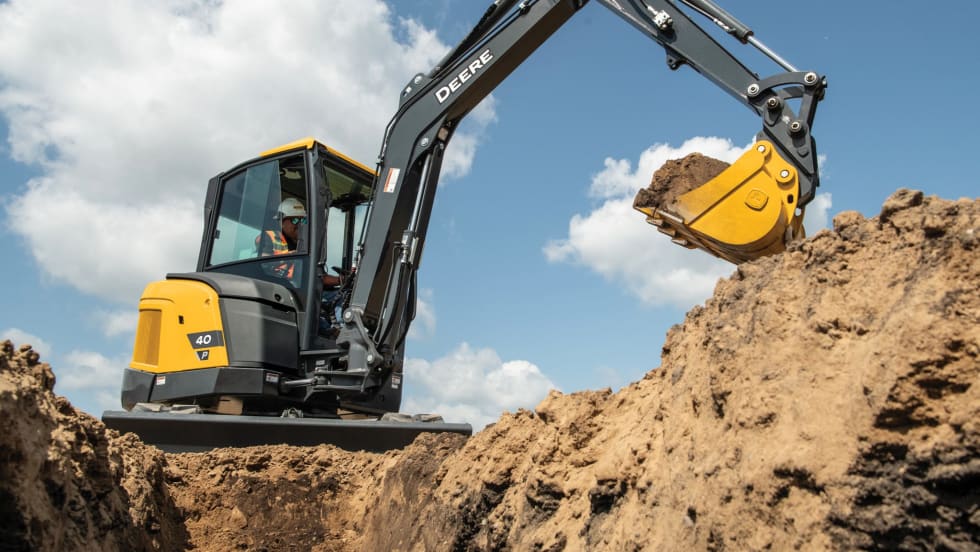
John Deere Introduces 40 P-Tier Compact Excavator
John Deere is adding a compact excavator designed for crews that need to move equipment between jobsites and handle multiple types of work with one machine. The 40 P-Tier weighs less than 10,000 pounds and offers configurable hydraulics, attachment options, and connected fleet-management capabilities.
Read More →
How Leading Fleets Improve and Why Business Plans Matter
This week, we look at what past Leading Fleet winners can teach us about making progress, plus how to build a business plan your fleet will actually use.
Read More →
Nominate a Fleet Leader for the 2027 Public Fleet Hall of Fame
Do you know a fleet leader who has made a lasting impact on the industry? Nominate this fleet professional for the 2027 Public Fleet Hall of Fame.
Read More →
Why Fleet Business Plans Need Three Perspectives
A fleet business plan should help agency leaders understand the fleet’s value, give the organization a clear direction, and establish shared expectations with customer departments.
Read More →
How Oil Analysis, Safety Technology, and Fleet Awards Drive Improvement
What happens when fleets let measured results guide their next decision?
Read More →
Emergency Response, Fleet Sales and New Technology
This week’s fleet news covers emergency preparedness, shifting vehicle sales, electric truck investments, and new tools for monitoring road conditions.
Read More →
NCDOT Adds Dash Cam Imagery to Statewide Traffic Monitoring
North Carolina transportation officials are adding another set of eyes to roads that aren't covered by fixed traffic cameras. A statewide deployment gives NCDOT access to on-vehicle imagery to verify conditions during work zones, severe weather, emergencies, and other traffic events.
Read More →