




W.Va. Agencies Cut Fleet Vehicles
Following W.Va. Governor Jim Justice's lead, several state agencies have announced cuts to their fleets in an effort to reduce spending and streamline operations.
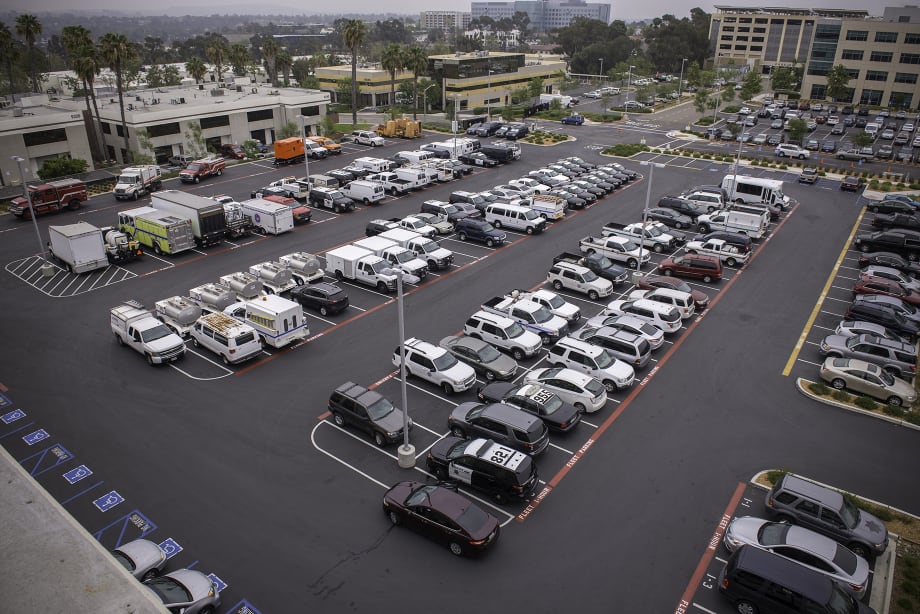
File photo
Following W.Va. Governor Jim Justice's lead, several state agencies have announced cuts to their fleets in an effort to reduce spending and streamline operations.
The Division of Corrections faced criticism after an audit found that the agency spent more than $450,000 on 17 new vehicles over the course of two months. State auditors found that 115 of the division's 309 vehicles were driven less than 1,100 miles per month, which is required by state regulations. The report also questioned the need for Division of Corrections staff to take cars home, reports the State Journal.
In a release, the division announced that it will cut 45 vehicles from its fleet, reduce the number of assigned vehicles, and adopt more stringent replacement standards. All vehicles not used for transporting inmates will be replaced after five years or 120,000 miles instead of four years/100,000 miles.
The Division of Highways announced plans to reduce its transportation fleet by 122 vehicles, including cars, vans, and trucks, to ensure the vehicles kept are properly utilized. The vehicles will be decommissioned and auctioned off by the end of the year.
The Department ot Environmental Protection also announced cuts to its fleet. The agency will eliminate 35 vehicles, comprising 50% of its motor pool and 9% of its overall fleet.
Last year, the State of West Virginia's Legislative Post Audit Division attempted to find an accurate state fleet count. After five months, the office reported that it failed to find an accurate figure due to non-centralized documentation policies.
More Operations

AI, Police Fleet Readiness and Fire Apparatus News
See how AI, a reworked police-vehicle upfitting process, and a fire apparatus acquisition could affect public fleet operations.
Read More →
Stay ready, set and safer with verified fleet inspections.
When fleet inspections aren’t verifiable, missed defects can quickly become downtime, safety risks, and service delays. This white paper shows government and municipal fleet leaders how digital inspections can improve accountability, catch issues earlier, and keep vehicles ready when they’re needed most.
Read More →
How AI and Automation Work Together to Reduce Government Fleet Downtime
As their assets age and their budgets’ purchasing power shrinks, government fleet managers are facing growing pressure to do more with less.
Read More →
Police Fleet Innovation, EV Strategy and AI
See how public fleets are rethinking police vehicle readiness, electrification, workplace culture, and driver workflows.
Read More →
From What He Inherited to What He’ll Leave Behind: David Renschler’s Lessons in Leadership
David Renschler walked into Fairfield with plenty to learn and no idea what awaited him. Twenty years later, the lessons from what came next are still shaping his approach to fleet.
Read More →
Turning a Bottleneck Into a Blueprint: How Tallahassee Rethought Police Fleet Readiness
For Tallahassee, finally receiving 87 delayed police cruisers created a new problem: how to get them on the road without creating a massive backlog. The solution would change more than the upfit process.
Read More →
Have Fleets Changed Enough to Solve the Technician Shortage?
Are government fleets finally closing the gap on the technician shortage, or are critical challenges still holding them back?
Read More →
How Public Fleets Are Rethinking Vehicles, EVs, and Culture
From mission-specific vehicles to EV planning and culture change, this week’s stories show how public fleets are rethinking the way they operate.
Read More →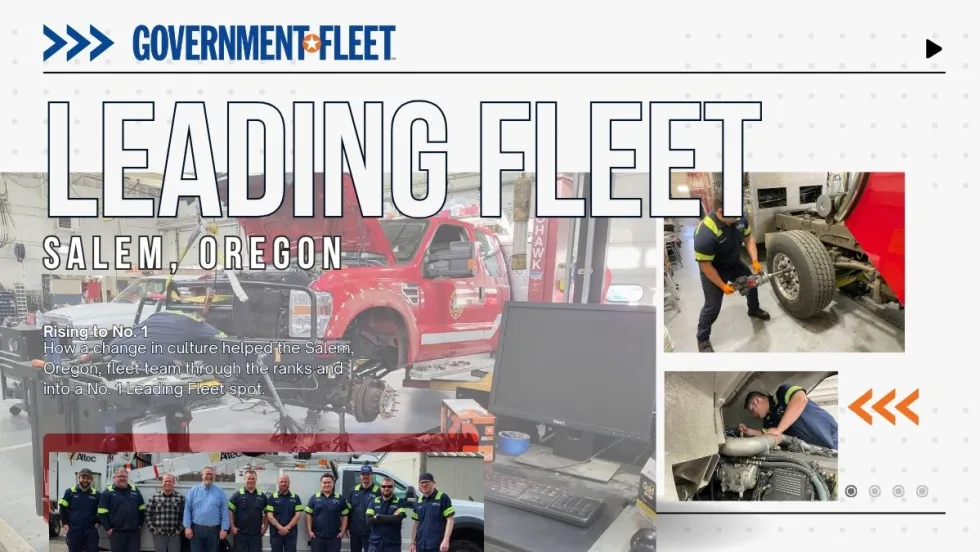
How Salem, Oregon, Turned Culture Change Into a No. 1 Fleet Ranking
Fleet availability reached 98.95% after Salem empowered employees and used performance data to guide years of steady improvement.
Read More →
EV Shifts, Salem’s Rise and GFX 2027
From hybrids and extended-range electric vehicles, to the changes that helped Salem, Oregon, become the No. 1 Leading Fleet.
Read More →