




Photo Gallery: Riverside County Vehicle Vendor Expo
Fleets Talk Green Procurement at Calif. Vehicle Expo
San Diego County, Calif., is moving toward procuring electric vehicles (EVs) and using renewable diesel, while the City of San Diego is determining which vehicles can be replaced by EVs, fleet professionals said at a recent vehicle expo.
by Staff
June 8, 2016
(L-R) Mike Simonds, Brad Northup, and Jessica Sutorus spoke about fleet greening with panel moderator Randy Wilde from the Center for Sustainable Energy.
2 min to read

(L-R) Mike Simonds, Brad Northup, and Jessica Sutorus spoke about fleet greening with panel moderator Randy Wilde from the Center for Sustainable Energy.
San Diego County, Calif., is moving toward procuring electric vehicles (EVs) and using renewable diesel, while the City of San Diego is determining which vehicles can be replaced by EVs as part of the implementation of its Climate Action Plan.
Fleet employees from both agencies participated in a panel discussion about green fleet procurement at the County of Riverside Purchasing and Fleet Services Vehicle Vendor Expo on June 2.
The City of Colton, Calif., also participated, and Jessica Sutorus, environmental conservation supervisor, stated that adding EVs is working for the city since it only encompasses 16 square miles. She said the city chose to lease vehicles so it could keep up with quickly changing technology, and it now has nine EV charging stations.
The City of San Diego’s Climate Action Plan aims to have 50% zero-emission vehicles in the fleet by 2020. That means about 2,100 vehicles need to be zero-emission vehicles, and fleet has implemented an aggressive replacement plan to replace its aging fleet. Mike Simonds, an interim fleet manager, said the city is working with FleetCarma to determine vehicle utilization for electrification — the city currently has three all-electric cars and 40 gasoline hybrid vehicles in its fleet, and it must also expand EV charging infrastructure in order to meet its goal. Simonds added that the city has 17 compressed natural gas (CNG) refuse trucks on order and is building a fueling station for these vehicles.
Brad Northup, fleet coordinator for the San Diego County, said the county has been successful in transitioning to smaller hybrid vehicles as drivers’ responsibilities have changed in the past decade. It’s also looking to purchase more electric vehicles.
Panelists also discussed the challenges of fleet greening, including expiring CNG tanks, the high maintenance cost and battery replacement on some EVs, and the lower power of larger electric hybrids.
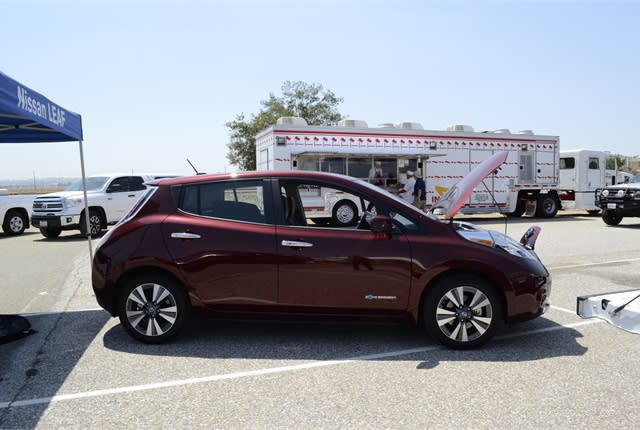
Among the vehicles at the show was a Nissan Leaf.
The expo is the second annual event hosted by Riverside County and included a vehicle showcase as well as panels about fleet purchasing and grant funding. Matt Jones, light-duty vehicle buyer for the county and vendor expo coordinator, said the event reflects the procurement trends of the area, with alternative-fuel vehicles such as hydrogen, electric, and CNG, but also includes hybrids and gasoline and diesel vehicles. He added that Riverside County has a policy to purchase hybrids when possible, and it has been growing its hybrid-electric sedan fleet.
More Procurement
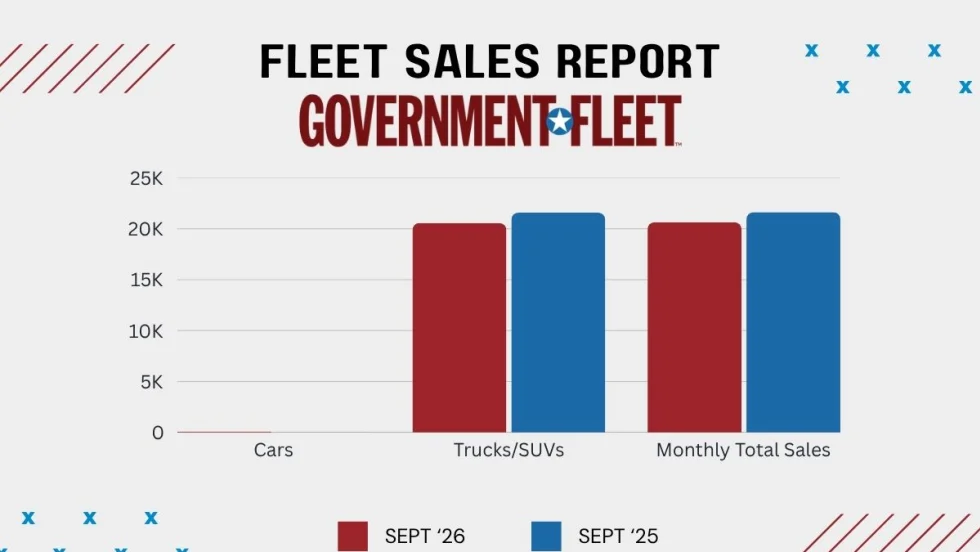
Government Fleet Car Sales More Than Double in September
Government fleet car sales rose 112.8% year over year in September, climbing from 39 to 83 units even as total monthly sales declined 4.5%.
Read More →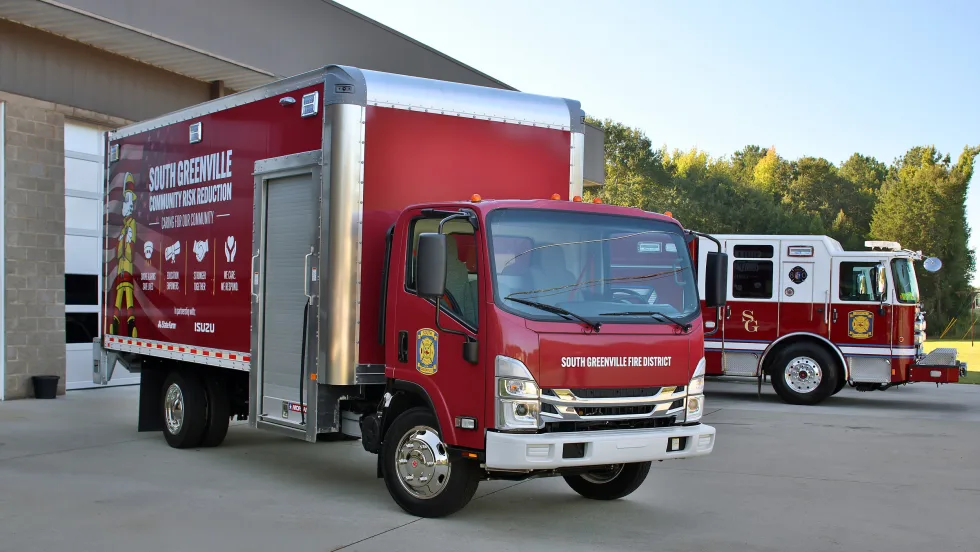
Isuzu Donates New N-SERIES NRR Truck to South Greenville Fire District to Support Community Outreach
Isuzu NRR equipped with Morgan truck body and PALFINGER liftgate will help support fire safety education, community engagement and outreach programs throughout Southern Greenville County.
Read More →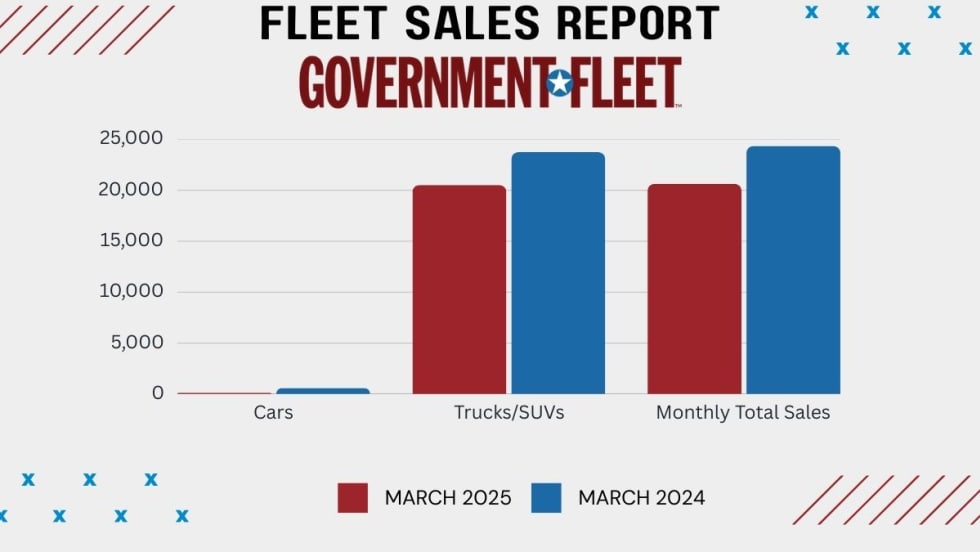
Government Vehicle Sales See Continued Growth from Beginning of Year
Government fleet sales rose from both January and February monthly totals, which were both under 20,000.
Read More →
Updated: Trump Signs Proclamation Imposing 25% Tariff on Auto Imports
A new proclamation signed by President Trump imposes a 25% tariff on imported passenger vehicles and key auto parts, citing national security concerns.
Read More →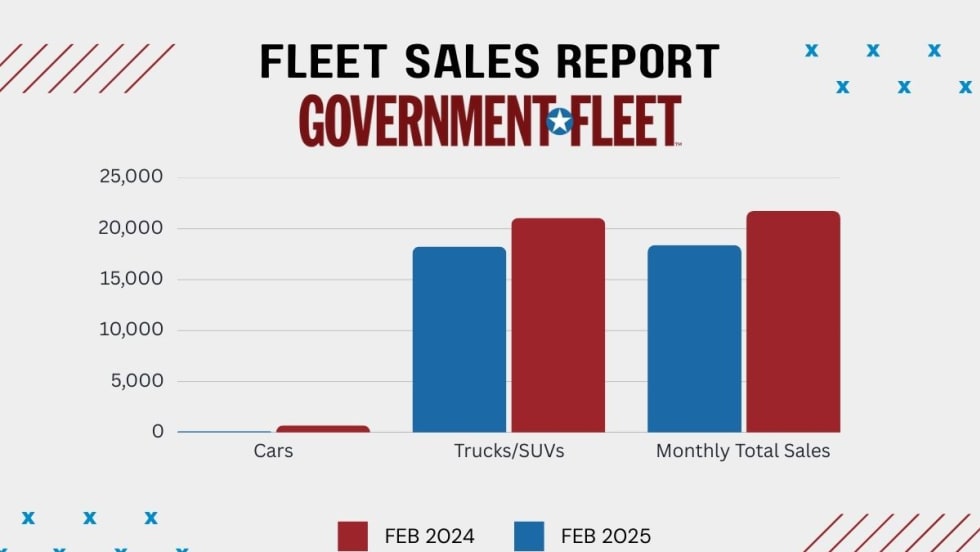
Government Vehicles Sales See Another Dip Compared to 2024
Government fleet sales last month came in at 18,383 vehicles, falling 15.4% from 21,737 in February 2024.
Read More →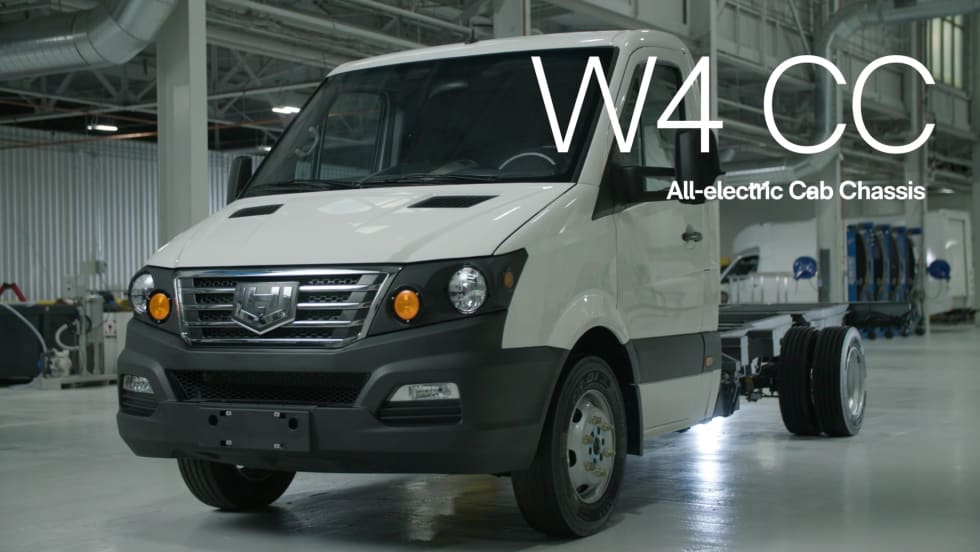
Washington Municipality Adds Workhorse Electric Trucks to Fleet
The municipality will deploy two W4 CC electric work trucks for trash and recycling can switch-outs, enhancing the efficiency of its waste management services.
Read More →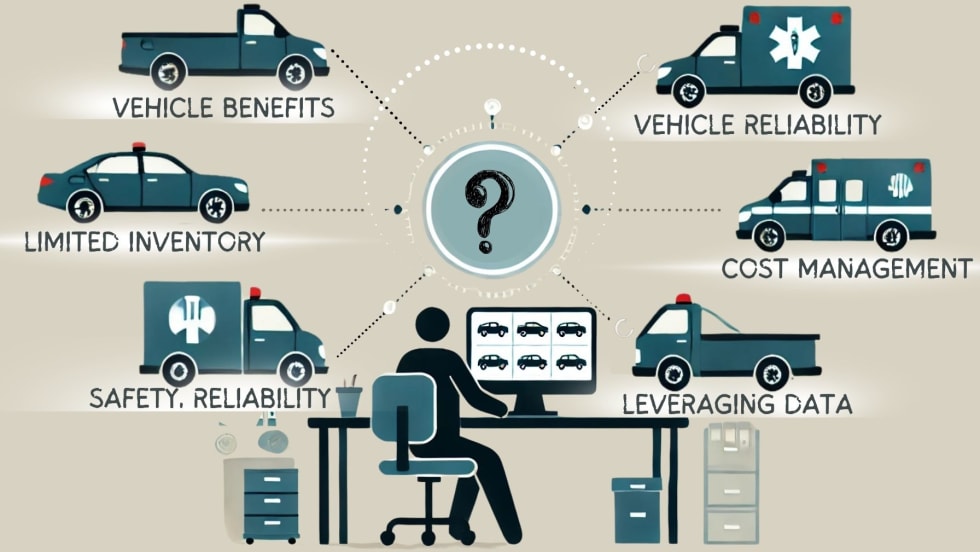
From the Archives: Changes in Fleet Acquisitions
When vehicles become harder to acquire, fleet managers must balance keeping vehicles on the road longer while managing the escalating operating costs of older vehicles.
Read More →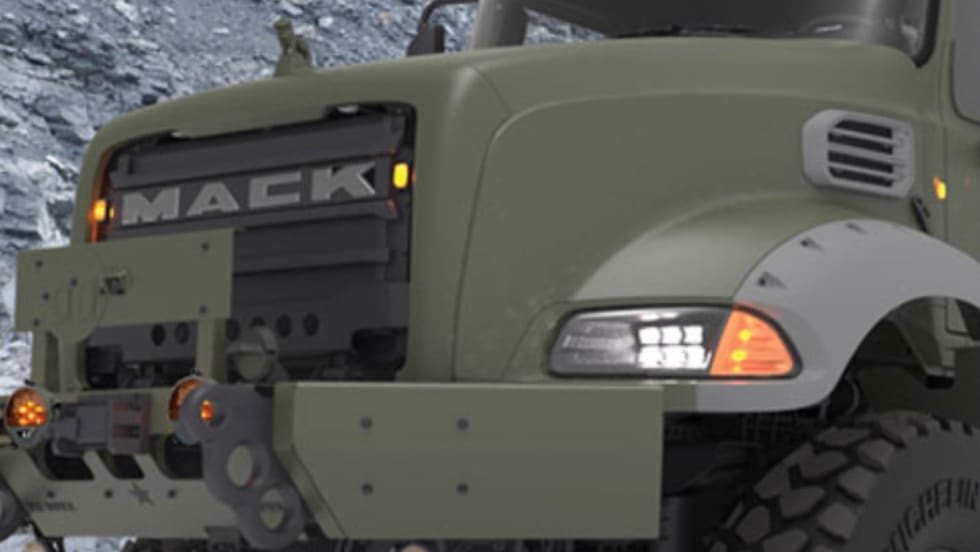
Mack Defense Awarded Contract By U.S. Marine Corps To Develop Medium Tactical Truck
The U.S. Marine Corps awarded Mack Defense a 12-month contract for the initial development of a new Medium Tactical Trucks (MTT) fleet.
Read More →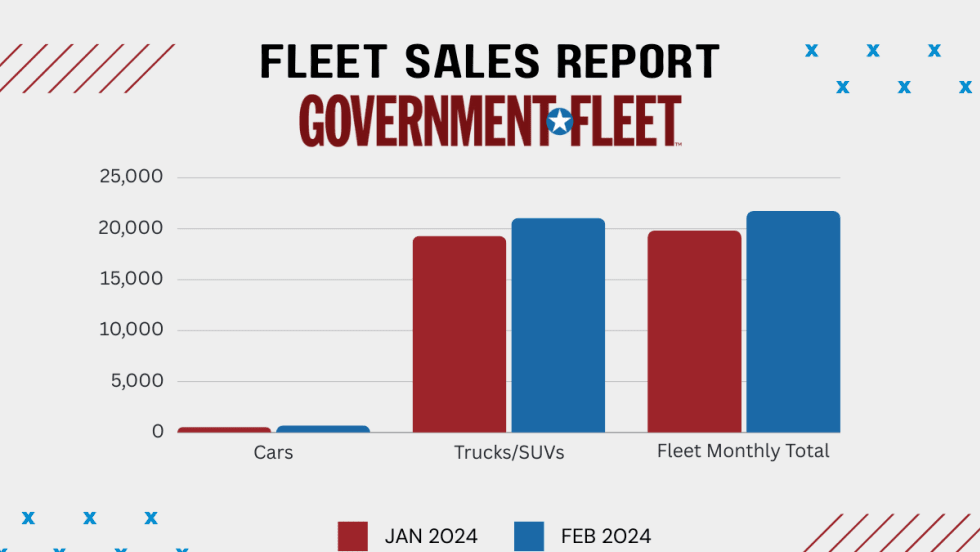
Government Vehicle Sales Rise from January to February
Government vehicle sales continue to rise into 2024 with both car and truck/SUV sales climbing between January and February of 2024, according to Bobit/Government Fleet sales data released March 2.
Read More →
How the UAW Strike Affected Government Fleet Orders from the Big 3
Government Fleet asked the Big 3 how their operations have been in the weeks since the UAW strike ended, with new contracts ratified. Plus, automakers address concerns about vehicle delivery delays.
Read More →