




Related: San Diego Sets Green Fleet Targets
San Diego Launches 'Aggressive' Vehicle Replacement Initiative
The City of San Diego has begun an overhaul of its fleet management operations to reduce a backlog of aging vehicles, boost staffing, and improve an archaic software system.
by Staff
March 9, 2016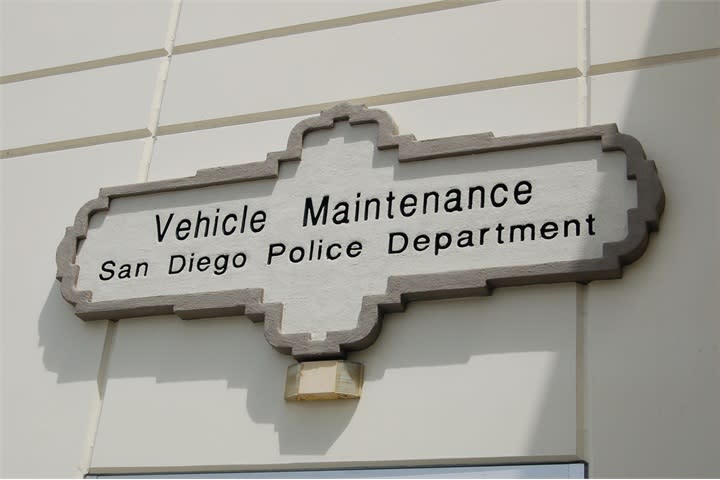
Photo by Thi Dao.
2 min to read
Photo by Thi Dao.
The City of San Diego has begun an overhaul of its fleet management operations to reduce a backlog of aging vehicles, boost staffing, and improve an archaic software system.
Upgrading the city's aging 4,100-vehicle fleet moved to the front burner toward the end of 2015, after an analysis of the fleet unit identified the impact of aging vehicles on fleet operations. The city identified more than 700 "over-aged" vehicles (18% of the fleet) that need to be replaced with the help of consultant CST Fleet Services, according to a report presented to City Council in January.
The city's aging fleet vehicles have hurt productivity because a significant number have been in the shop. In the third quarter of 2015, 300 vehicles were in the shop. In the fourth quarter, the fleet unit reduced the number to 252 vehicles being repaired.
As a result, the city has launched a 24-month replacement plan that includes an analysis of vehicle utilization. As part of the plan, the city will swap under-utilized vehicles for over-utilized vehicles. The fleet unit plans to replace about 450 vehicles in fiscal-year 2016 and 600 vehicles in fiscal-year 2017. The city has 413 vehicles considered "critical" for replacement.
As of January, the city has ordered nearly 200 vehicles, including 76 police patrol cars, 20 refuse packers, seven fire apparatus, five wastewater drain cleaners, and two "fast response" fire rescue vehicles.
Fleet staffing has been beefed up with 27 new positions funded by the 2016 fiscal-year budget, including 20 shop positions and seven administrative positions. Three fleet repair supervisors and a program manager are expected to improve oversight of costs.
Under the prior system, the lack of direct supervisory support for administrative functions led to outdated policies and procedures. The vehicle maintenance and asset management software had been neglected, resulting in inefficient processes and unreliable data, according to the report.
"The system is several versions behind in upgrades, which contributes to obsolete reports and unreliable data, making analysis and long- and short-term planning challenging," according to a city report.
In November, the fleet unit centralized its administrative support staff at the Chollas Operations Yard, a move that "promotes cross training and consistency in operations, policies and procedures."
The initiative comes on the heels of a reorganization of the city's fleet unit toward the end of 2015, when the Fleet Services division was moved from the Public Works Department to the Internal Operations Branch under the oversight of Ron Villa, deputy chief operating officer. Alia Khouri now serves as the deputy director of the fleet unit, after moving from the city's Financial Management Department.
More Operations

Is Keeping Older Fleet Vehicles Really Saving Money?
Is keeping vehicles longer saving money, and what happens when a diagnostic test points to the wrong fix?
Read More →
How Smart Fleet Strategy Can Help Local Government Agencies Do More with Less
Keeping a vehicle longer may ease this year’s budget, but what does it cost the next one? A closer look at fleet decisions can reveal opportunities to reduce spending while protecting essential services.
Read More →
Connect with Government Fleet on LinkedIn
From industry news and fleet management strategies to conversations with peers, Government Fleet's LinkedIn page offers public-sector fleet professionals another way to stay informed and connected.
Read More →
Town of Queen Creek Named Most Successful Fleet Award Winner of Inaugural RTA Fleet Success Awards
Five fleets were honored at RTA Connect 2026 in Chicago for excellence across resource efficiency, intentional culture, risk management, and stakeholder satisfaction.
Read More →
Sponsored•October 14, 2026
A buyer's guide to fleet management software in 2027
Buying fleet management software in 2027 means looking beyond features and price. As fleet operations, technology and expectations evolve, this guide explores what today’s fleet professionals should consider when choosing a system that can deliver value now and adapt to what comes next.
Read More →
Hazard Alerts, Fleet Car Sales Rise and a New Shuttle Concept
Fleet car sales doubled, but the bigger picture tells a different story in this week’s roundup.
Read More →
How St. Johns County Turned Fleet Data Into Better Replacement Decisions
St. Johns County, Florida, had fleet data, but turning it into reliable decision guidance was another matter. Instead of starting over with a new fleet management system, the county connected existing tools and built a scoring system that gives managers an objective look at fleet health.
Read More →
Fleet Forward Conference Introduces One-Day Passes for 2026
New one-day registration lets fleet professionals attend Tuesday, Wednesday, or Thursday, with passes available for $249.
Read More →
ENC Unveils its ZAVIR Medium-Duty Shuttle
Two variants of the concept shuttles were revealed: a low-floor configuration and a high-floor configuration.
Read More →
Could Your Next Fleet Technician Start as an Intern?
What if your next technician hasn’t worked in a fleet shop yet? What fleets are doing to free up time.
Read More →