




Carbon Motors Denied Federal Loan to Build New Patrol Car
CONNERSVILLE, IN - The U.S. Department of Energy (DOE) won't provide $310 million in loans to Carbon Motors Corp. to produce the purpose-built E7 patrol car, the company announced.
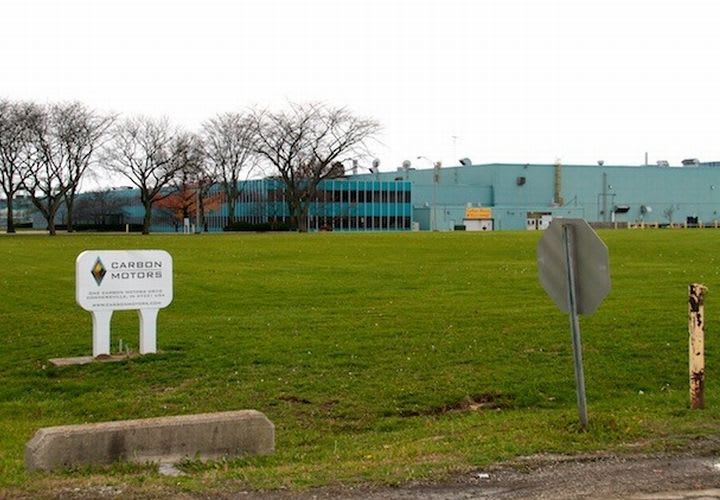
Carbon Motors took over a former Ford manufacturing plant in Connersville, Ind. Photo courtesy Carbon Motors.
Carbon Motors took over a former Ford manufacturing plant in Connersville, Ind. Photo courtesy Carbon Motors.
CONNERSVILLE, IN - The U.S. Department of Energy (DOE) won't provide $310 million in loans to Carbon Motors Corp. to produce the purpose-built E7 patrol car, the company announced.
"We are outraged by the actions of the DOE and it is clear that this was a political decision in a highly-charged, election year environment," said William Li, Carbon Motors' chairman and chief executive, in a statement. The company is "actively examining its strategic and financing alternatives."
Almost three years ago, Carbon Motors applied for the DOE funding under the Advanced Technology Vehicle Manufacturing (ATVM) program. The company also blamed the Solyndra loan controversy for the denial.
The company developed a prototype vehicle, took over a former Ford plant in Indiana, and began taking orders for the vehicle. The company says it has received about $200 million in private and public financing and has taken orders from more than 500 law enforcement agencies for more than 20,000 cars.
In December, the company appealed to the Obama administration to grant the loan approval. Other automakers, including Chrysler and General Motors, have been thwarted by the ATVM process.
Chrysler, in mid-February, withdrew its loan application and released a statement that it "remains confident in its strategy to bring competitive, fuel-efficient vehicles and technologies to market on schedule." General Motors partered with Bright Automotive to make extended-range plug-in utility vehicles. That company went out of business last month.
In a message on its website on Thursday, Carbon Motors' Li vowed to "continue the fight" to build the vehicle.
More Operations

What Fleet Metrics Can Miss, Plus 2027 Police Vehicle Tests and Awards
What could a healthy-looking fleet metric be hiding? This week’s roundup looks at when to dig deeper, how 2027 patrol vehicles performed in preliminary tests, and how to apply for the Police Fleet Innovators Award.

What Can Disappear After a Fleet Crash?
This week, we look at drone footage, what fleets should document before repairs begin, and share a quick poll.

Does Your Government Fleet Handle Refuse and Waste Operations? Take Our Poll
Government Fleet wants to hear from public-sector fleet professionals about their responsibilities for refuse collection and waste management equipment.

Fleet Replacement Decisions, Waste Fleet Technology and the GFX Deadline
Is your next vehicle the right fit, can your records settle a missed pickup dispute, and what could your fleet teach others at GFX 2027?

Is Delaying Fleet Replacement Really Saving Money?
Could delaying replacement cost your fleet more than it saves? This week’s recap takes a closer look, plus an update on GFX 2027.

What Government Fleets Are Missing About Their True Costs
What are fleet budgets missing, and how can agencies use the data they already collect to make a stronger case for change?

Rethinking Fleet Decisions From the Budget Office to the Shop
This October we looked back at how public fleets are reconsidering familiar processes and using what they learn to make better decisions.

Who Owns the Message on a Refuse Truck?
Refuse trucks can carry public messages into neighborhoods, but keeping those messages current takes planning and clear responsibility.

Who Deserves Fleet Recognition and What Could You Teach at GFX?
Who helped shape your fleet career, and what have you learned that could help someone else?

What’s Haunting Public Sector Fleets?
Public sector fleet challenges rarely happen in isolation, and addressing one often means understanding how it connects to another.