




University Installs Lap Belts After Fatal Campus Shuttle Accident
SAN FRANCISCO - The University of California, San Francisco (UCSF) expects installation of retractable lap belts on its 53 shuttle buses to be completed by the end of August, and is implementing other safety measures.
SAN FRANCISCO - The University of California, San Francisco's effort to enhance the safety of its campus shuttle system, in the wake of a recent fatal accident, is on schedule and proceeding smoothly, according to a release from the University.
"We've installed retractable lap belts on 10 buses and will have them fully installed on the rest of the fleet by the end of August," said Kevin Cox, director of Transportation Services at UCSF. Installation began July 19, and the University will spend less than $2,700 per vehicle.
Although seat belts are not required in buses, UCSF opted to make them available to passengers of the free shuttle service as one of the initiatives to promote transit system safety following a collision on July 14 that killed one passenger and injured others.
In the days following the accident, UCSF transportation supervisors met one-on-one with shuttle drivers. They reviewed the key safe-driver techniques employed in UCSF's extensive training program -- a program that takes at least a month and is reinforced by regular in-field evaluations. In the longer term, Cox said, UCSF Transportation Services will conduct a full review of every aspect of its shuttle operation to look at policies, procedures, and practices and to make recommendations to improve the system.
UCSF operates the largest shuttle system in the 10-campus UC system with 53 individual shuttles (with 35-, 30-, and 22-passenger capability) and 72 drivers, according to the University. The vehicles average four years old. Shuttles are made to permit standing, and passengers will continue to be allowed to do so, Cox said.
"We cover 1,112,000 miles a year and there are 2.3 million annual shuttle boardings," said Peter Davis, fleet and ride-share manager at UCSF for 31 years.
A dedicated "Am I Safe?" telephone hotline is also in the works. Signs advertising the hotline will be installed inside and on the back of all shuttles, so that feedback -- both positive and negative -- can be expedited and addressed, according to the University.
Related Articles
UC Davis' Web-Based Driver Training Increases Course Enrollment
More Safety
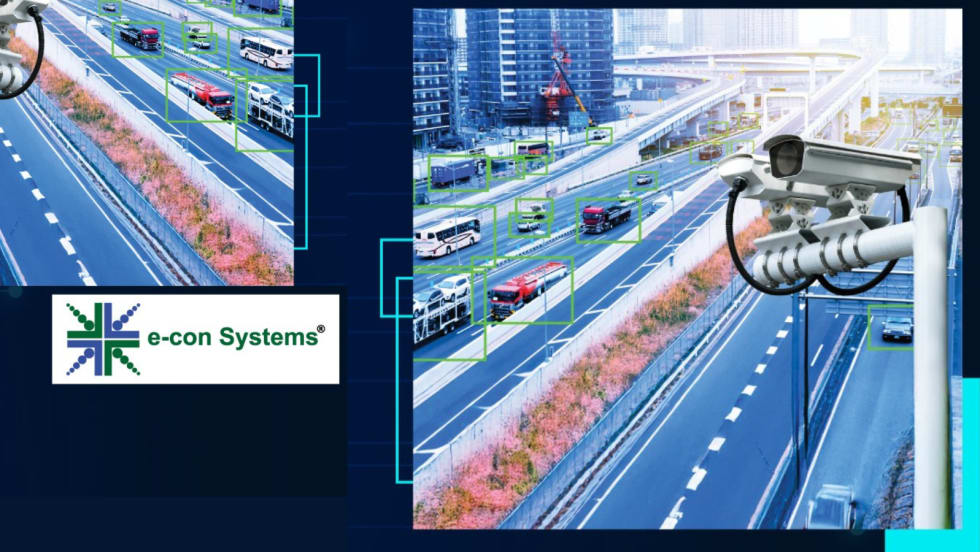
e-con Systems Expands AI Camera Tools for Traffic Monitoring
The systems support license plate recognition, traffic analytics, and video management for transportation agencies.
Read More →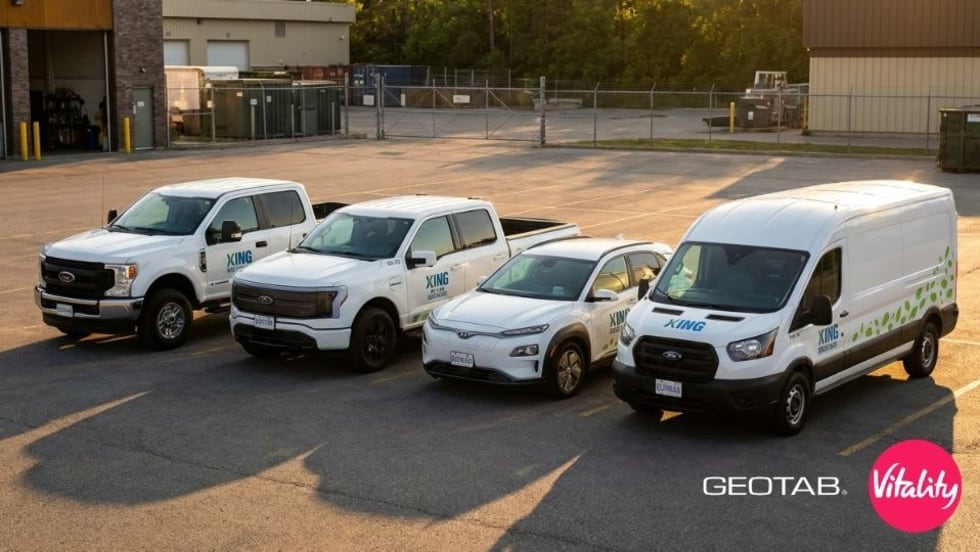
King Township Pilot Links Driver Feedback to Reduced Speeding
How King Township, a best-in-class municipal fleet, reduced speeding by 10.9% and demonstrated a projected 349% ROI by putting safety ownership directly in drivers' hands.
Read More →
Beyond the Fireline: The Critical Role of Public Fleets in Wildfire Response
Behind every wildfire response is a complex network of vehicles, data, and decisions that must work in sync under extreme pressure. Global heating trends require strong fleet coordination and reliable communications to keep crews safe and operations running smoothly.
Read More →
How AI Is Transforming Public Fleet Safety - Part 1
AI-powered safety systems are helping public fleets tackle distracted driving by delivering real-time coaching and measurable behavior change behind the wheel. In part one of our Q&A, Nauto CEO Stefan Heck explains how agencies can improve safety, reduce costs, and navigate implementation challenges with AI-driven technology.
Read More →
Reducing Risk and Improving Safety in Public Sector Fleets with Advanced Driver-Assist Technology
Public sector fleets face increasing pressure to improve safety, reduce liability, and operate efficiently. See how advanced vehicle technologies are helping agencies protect drivers, the public, and their budgets.
Read More →
3 Ways Fleet Tech Builds Public Trust
Managing a state or local fleet comes with levels of accountability private companies don’t have. Read how modern fleet technology helps elevate visibility and safety to strengthen community trust.
Read More →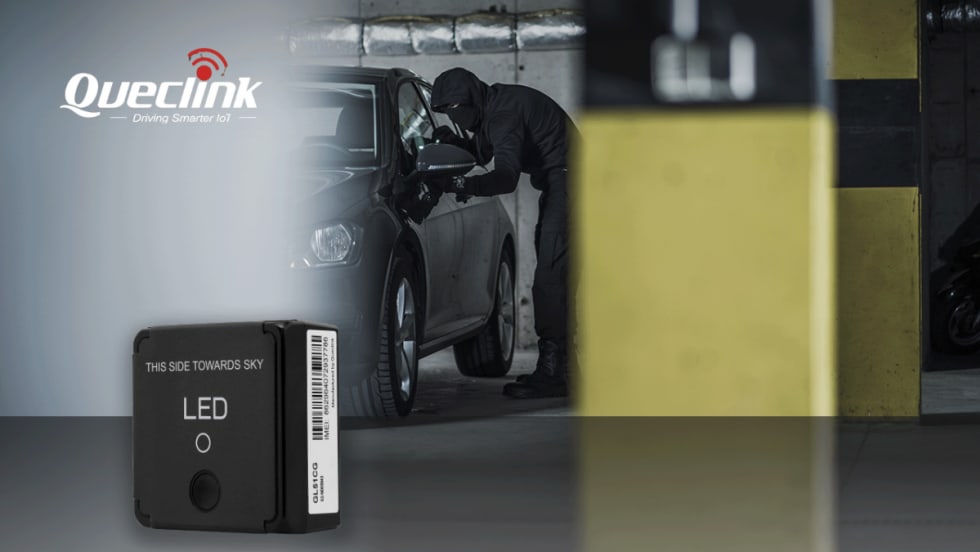
Tracker Innovation From Queclink to Boost Stolen Vehicle Recovery Performance
Queclink has introduced a backup telematics device designed to support stolen vehicle recovery by activating only when a primary tracker is disabled, helping fleets and financing providers respond more quickly to theft.
Read More →
First Response Fleets: 10 Takeaways for 2026
A practical look at what first response fleet leaders can apply right now, with clear guidance for making stronger decisions throughout 2026.
Read More →
Holiday Travel Surge: What Government Fleet Managers Need to Know About Increased Road Risks
As year-end travel reaches record levels, fleet managers must anticipate increased road congestion and safety challenges for government vehicles and drivers.
Read More →
How Government Fleets Can Reduce Distracted Driving: Key Takeaways
Crashes, near misses, and costly collisions still occur every day. How agencies can better protect their drivers, roadside workers, and communities.
Read More →