




Related: Colo. Employees May Owe Back Taxes for Take-Home Vehicles
Audit Advises La. City to Track Take-Home Vehicles with GPS
An internal audit from the City of Shreveport, La., found that the city failed to sufficiently keep track of its take-home vehicles with the proper documentation.

Roselynne Reyes・Senior Editor
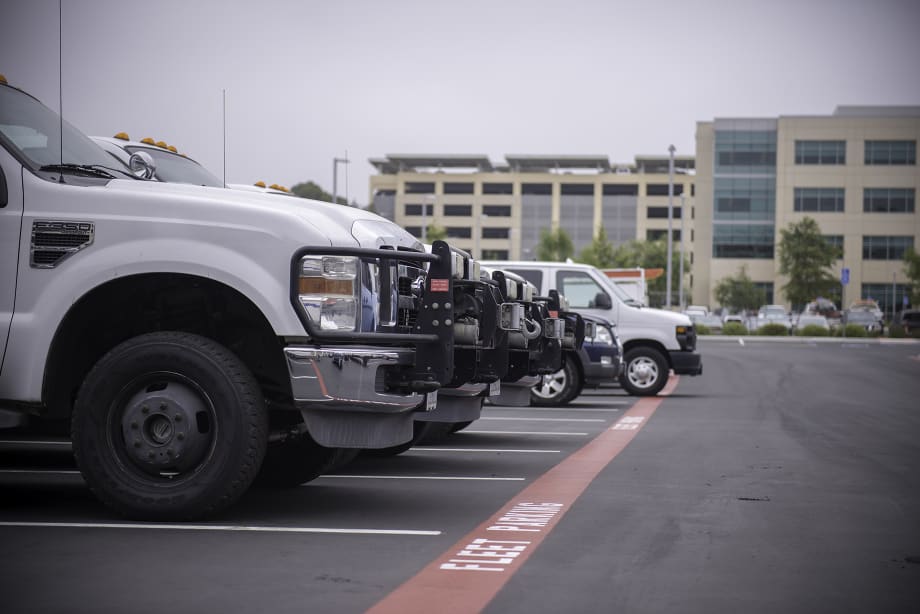
File photo
2 min to read
An internal audit from the City of Shreveport, La., found that the city failed to sufficiently keep track of its take-home vehicles. The Internal Audit Office noted that the city also failed to keep proper documentation, including lists or documented approvals for the assignment of take-home vehicles. The investigation was prompted by a fraud hotline allegation that a city employee was inappropriately using their assigned vehicle.
City policy requires that take-home vehicles cannot travel more than one mile outside city limits unless approved by the Chief Administrative Officer. It also states that take-home vehicles will not be assigned to employees who live more than five miles outside of the city, or the employee will be required to pay a mileage charge. Of the city's 184 take-home vehicles, 56 were driven more than five miles outside city limits and the audit failed to find any record of payment for excess mileage. To better track fleet vehicles, the audit recommended equipping all city vehicles with GPS tracking.
The city was also advised to review its current fuel card program. Through the program, every employee that uses a city vehicle is assigned a personal identification number (PIN), allowing them to use a fuel card. But the Internal Audit Office found that many would share their PINs with newer employees who were still in their probationary period.
The report recommends that the city update administrative procedures to include IRS reporting requirements and excess mileage changes, and require updates to departmental vehicle listings as they occur.
Departments were also advised to obtain written approval of take-home vehicle assignments, update the Administration and Finance Department as needed, and produce monthly reports with usage and dollar amounts to verify the amount reported to the IRS.
Click here to read the full audit.
More Operations

What Can Disappear After a Fleet Crash?
This week, we look at drone footage, what fleets should document before repairs begin, and share a quick poll.

Does Your Government Fleet Handle Refuse and Waste Operations? Take Our Poll
Government Fleet wants to hear from public-sector fleet professionals about their responsibilities for refuse collection and waste management equipment.

Fleet Replacement Decisions, Waste Fleet Technology and the GFX Deadline
Is your next vehicle the right fit, can your records settle a missed pickup dispute, and what could your fleet teach others at GFX 2027?

Is Delaying Fleet Replacement Really Saving Money?
Could delaying replacement cost your fleet more than it saves? This week’s recap takes a closer look, plus an update on GFX 2027.

What Government Fleets Are Missing About Their True Costs
What are fleet budgets missing, and how can agencies use the data they already collect to make a stronger case for change?

Rethinking Fleet Decisions From the Budget Office to the Shop
This October we looked back at how public fleets are reconsidering familiar processes and using what they learn to make better decisions.

Who Owns the Message on a Refuse Truck?
Refuse trucks can carry public messages into neighborhoods, but keeping those messages current takes planning and clear responsibility.

Who Deserves Fleet Recognition and What Could You Teach at GFX?
Who helped shape your fleet career, and what have you learned that could help someone else?

What’s Haunting Public Sector Fleets?
Public sector fleet challenges rarely happen in isolation, and addressing one often means understanding how it connects to another.
Is Keeping Older Fleet Vehicles Really Saving Money?
Is keeping vehicles longer saving money, and what happens when a diagnostic test points to the wrong fix?