




Audit: New Orleans Fleet Management Needs Overhaul
The City of New Orleans does not know how many vehicles it has, how often they are used, or what types of repairs are performed on them, an audit from the city’s Office of Inspector General found.

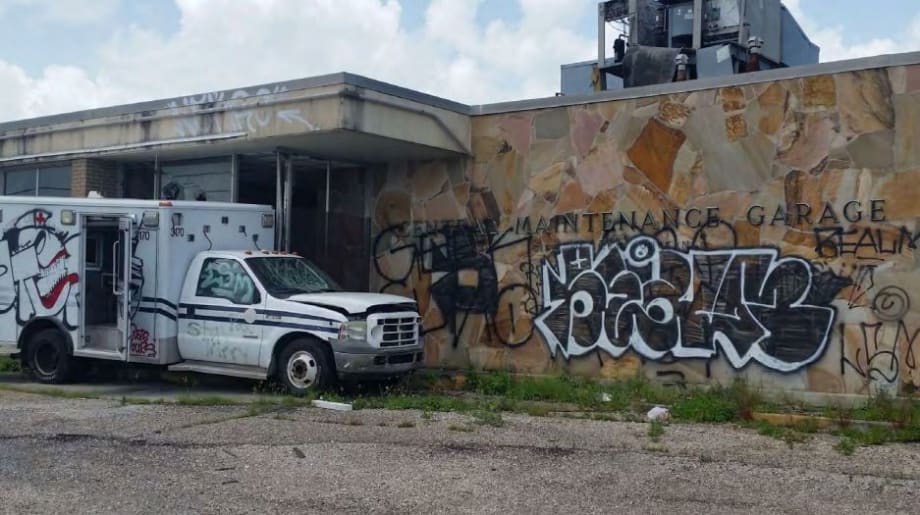
The City’s Central Maintenance Garage. Photo via New Orleans OIG.
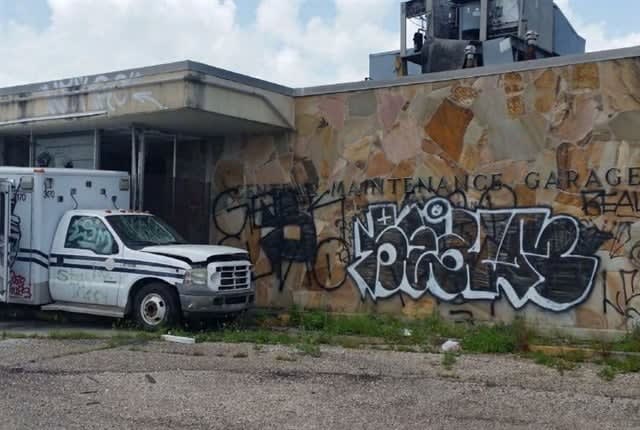
The City’s Central Maintenance Garage. Photo via New Orleans OIG.
The City of New Orleans does not know how many vehicles it has, how often they are used, or what types of repairs are performed on them, an audit from the city’s Office of Inspector General found. The audit was released July 13, just two weeks after the OIG released an audit on the city’s fuel dispensing program.
The OIG found that lack of information prevented the Equipment Maintenance Division from making informed decisions. This lack of data means the EMD cannot make decisions about how many vehicles are needed, whether to outsource maintenance, and when to replace vehicles.
In addition, the auditor said there was a lack of oversight related to fleet policies and procedures, and the EMD has no way to enforce policies. The fleet manager position was vacant for part of the review period, and there was no full-time manager at the Central Maintenance Garage after 2012.
The audit recommended the city provide EMD with the information, resources, and authority it needs to oversee vehicles and equipment. To do this, it recommended the city:
Create an accurate vehicle and equipment list
Develop standards for vehicle use and tracking use
Create replacement criteria for vehicles and equipment
Establish formal preventive maintenance schedules
Hire a fleet manager with the authority to enforce fleet policies and procedures.
Evaluators examined the city’s fleet management practices from 2009 to 2014. The city owns more than $60 million in motor vehicle and equipment assets including police cars, fire trucks, ambulances, garbage trucks, street sweepers, vacuum trucks, bucket trucks, and passenger vehicles, and spent approximately $12 million in 2014 on fleet management.
The city agreed to implement the OIG recommendations.
To view the full audit, visit the OIG website.
More Operations
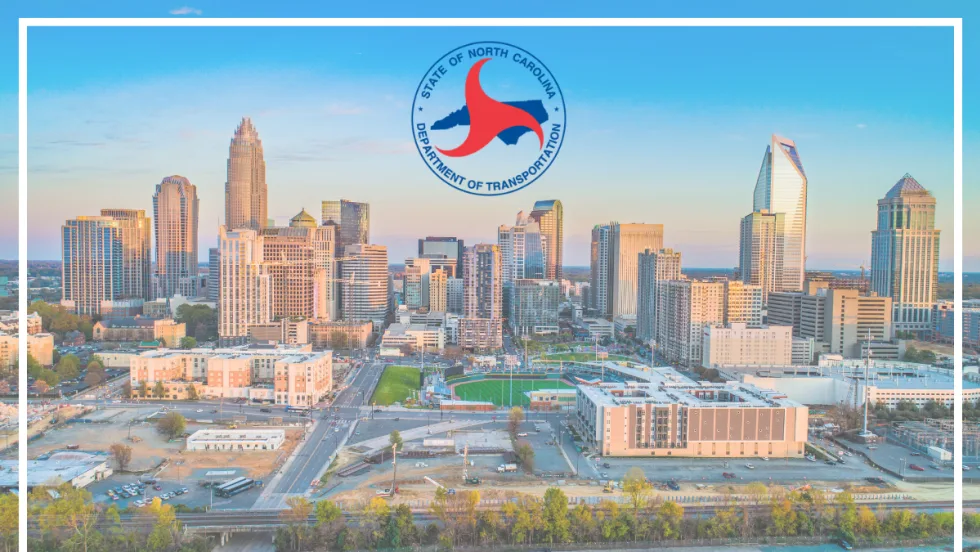
NCDOT Adds Dash Cam Imagery to Statewide Traffic Monitoring
North Carolina transportation officials are adding another set of eyes to roads that aren't covered by fixed traffic cameras. A statewide deployment gives NCDOT access to on-vehicle imagery to verify conditions during work zones, severe weather, emergencies, and other traffic events.
Read More →
Turning a Bottleneck Into a Blueprint: How Tallahassee Rethought Police Fleet Readiness
For Tallahassee, finally receiving 87 delayed police cruisers created a new problem: how to get them on the road without creating a massive backlog. The solution would change more than the upfit process.
Read More →
AI, Police Fleet Readiness and Fire Apparatus News
See how AI, a reworked police-vehicle upfitting process, and a fire apparatus acquisition could affect public fleet operations.
Read More →
Stay ready, set and safer with verified fleet inspections.
When fleet inspections aren’t verifiable, missed defects can quickly become downtime, safety risks, and service delays. This white paper shows government and municipal fleet leaders how digital inspections can improve accountability, catch issues earlier, and keep vehicles ready when they’re needed most.
Read More →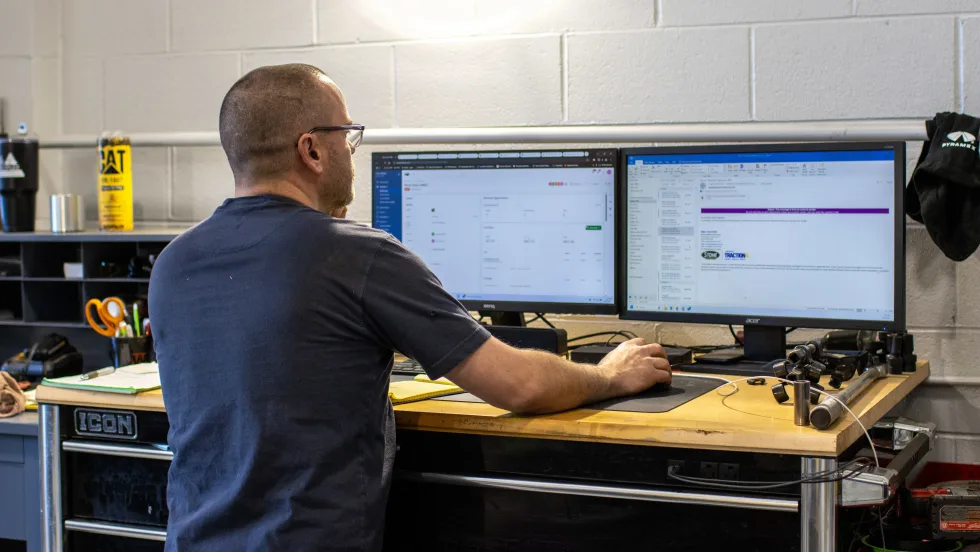
How AI and Automation Work Together to Reduce Government Fleet Downtime
As their assets age and their budgets’ purchasing power shrinks, government fleet managers are facing growing pressure to do more with less.
Read More →
Police Fleet Innovation, EV Strategy and AI
See how public fleets are rethinking police vehicle readiness, electrification, workplace culture, and driver workflows.
Read More →
From What He Inherited to What He’ll Leave Behind: David Renschler’s Lessons in Leadership
David Renschler walked into Fairfield with plenty to learn and no idea what awaited him. Twenty years later, the lessons from what came next are still shaping his approach to fleet.
Read More →
Have Fleets Changed Enough to Solve the Technician Shortage?
Are government fleets finally closing the gap on the technician shortage, or are critical challenges still holding them back?
Read More →
How Public Fleets Are Rethinking Vehicles, EVs, and Culture
From mission-specific vehicles to EV planning and culture change, this week’s stories show how public fleets are rethinking the way they operate.
Read More →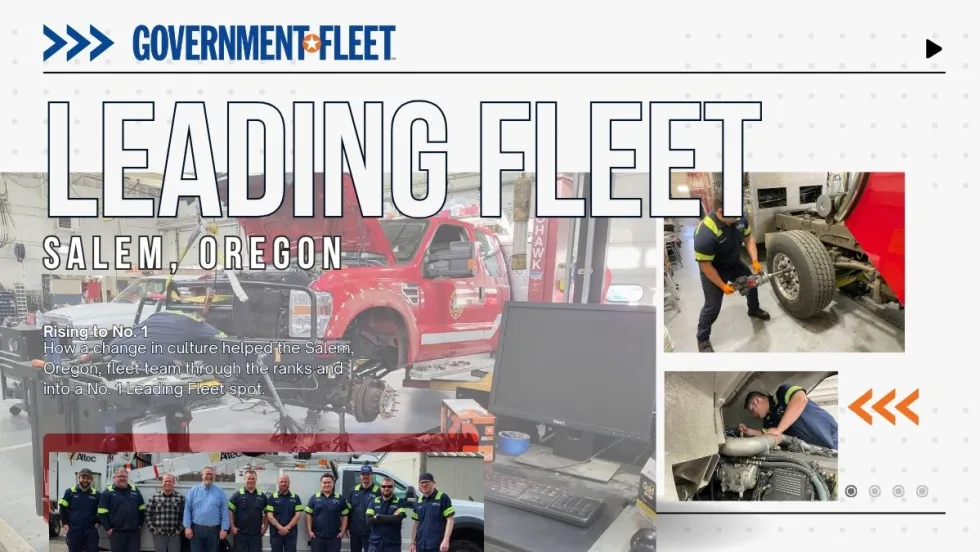
How Salem, Oregon, Turned Culture Change Into a No. 1 Fleet Ranking
Fleet availability reached 98.95% after Salem empowered employees and used performance data to guide years of steady improvement.
Read More →