




East Coast Agencies Add More Hybrid Vans
Both the City of Boston, Mass., and Montgomery County, Md., have commissioned additional XL Hybrid conversions to supplement the existing XL Hybrids in their fleets. Boston will have an additional 16 hybrid vans, while Montgomery County will have 10.
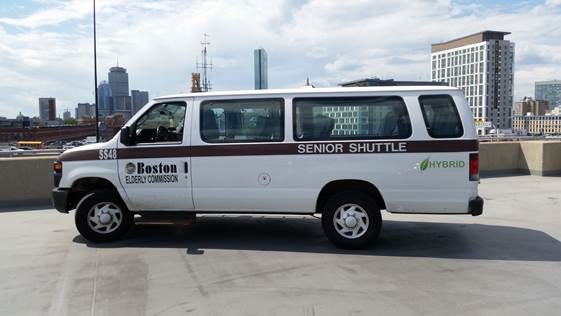
Photo courtesy of City of Boston.
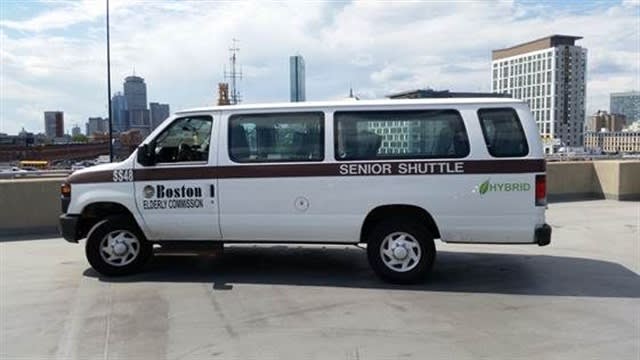
Photo courtesy of City of Boston.
The City of Boston, Mass., and Montgomery County, Md., have commissioned additional XL Hybrid conversions to supplement the existing XL Hybrid vehicles in their fleets. These conversions mark an effort by both fleets to reduce carbon emissions and increase sustainability.
The agencies will be ordering a combined 26 XL Hybrid conversions by the end of the year; 16 will be going to Boston and 10 to Montgomery County.
“We [chose] to go with XL Hybrids because they are based in Boston, their technology can reduce fuel consumption by as much as 20%, they complete their installation process in 24 hours, and they can remotely monitor their hybrid systems to detect any issues,” said Jim McGonagle, director of central fleet management for the City of Boston.
The existing four XL Hybrid vans in Boston’s fleet performed well enough that city officials ordered 16 new vans using a Massachusetts Department of Energy Resources grant. Ten out of the 16 will be converted from its current fleet while the other six will be ordered new and converted before being delivered to the city.
The increase in hybrid vehicle use is part of the city mayor’s climate action plan, a plan that aims to reduce greenhouse gas emissions by 25% by 2020 and 80% by 2050, McGonagle said.
Over in Montgomery County, 10 additional XL Hybrid vans will raise the county’s total XL Hybrid fleet to 20 by the end of the year. The county first ordered 10 hybrid conversions for vans in its fleet back in 2014 as part of an initiative to reduce petroleum consumption by 20% over 5 years in the county, said Bill Griffiths, division chief of Fleet Management Services.
Since then, the original 10 vans have driven 100,000 miles and increased fuel economy by more than 25%, said Griffiths. That increase in fuel economy reduced fuel consumption by more than 3,800 gallons and saved the county $12,000.
Installing hybrid systems and expanding electric vehicle charging and compressed natural gas fueling infrastructure in Montgomery County has reduced its petroleum consumption by more than 9% in the first two years, said Griffiths.
More Green Fleet
Sustainability Partners, Energy Systems Group Help Albuquerque Close the Gap on its 100% Renewable Energy Goal
The eight-site, 6 MW solar project has advanced the city toward 100% renewable energy for municipal operations.
Read More →
Port Authority and CALSTART Launch $45 Million Electric Truck and Charging Programs
The programs aim to boost sustainable operations across the East Coast's busiest seaport.
Read More →
Moving Government Fleets Beyond the Vehicle Purchase: EV as a Service
A discussion on how EVaaS is moving beyond pilot programs and what fleets should consider before beginning a larger deployment.
Read More →
Moving Government Fleets Beyond the Vehicle Purchase: EV as a Service
As fleets move beyond small EV pilots, Sustainability Partners CEO Adam Cain explains how EVaaS can address the infrastructure and long-term planning required for larger deployments.
Read More →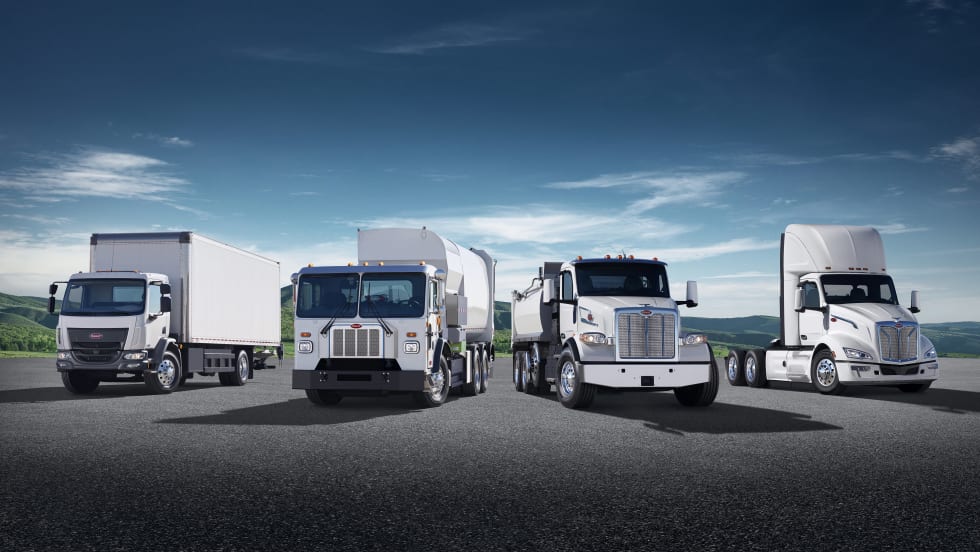
Peterbilt Expands Sourcewell Partnership with Electric Vehicle Lineup
The agreement aims to provide streamlined procurement of Peterbilt trucks for government, education, nonprofit and tribal organizations across the United States and Canada.
Read More →
EV Adoption & Charging Challenges
Where is your fleet in the journey of vehicle electrification? If you're still looking for answers to fleet electrification you've come to the right place.
Read More →
Hawaii Passes Clean Fuel Policy
Hawaii lawmakers passed clean fuel legislation that could support renewable natural gas production, biogas-powered transportation, and lower-carbon fueling options for public and commercial fleets.
Read More →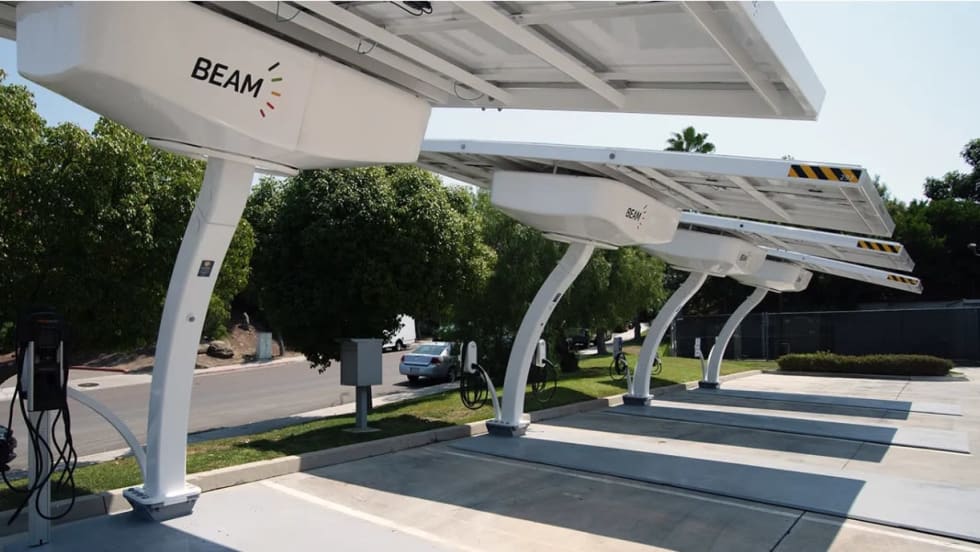
Stanislaus County Deploys Ten Beam Global EV ARC Systems to Support County Fleet Electrification
Stanislaus County deployed 10 off-grid solar-powered EV charging systems and a mobile charging trailer from Beam Global to support its electric fleet operations and emergency response flexibility.
Read More →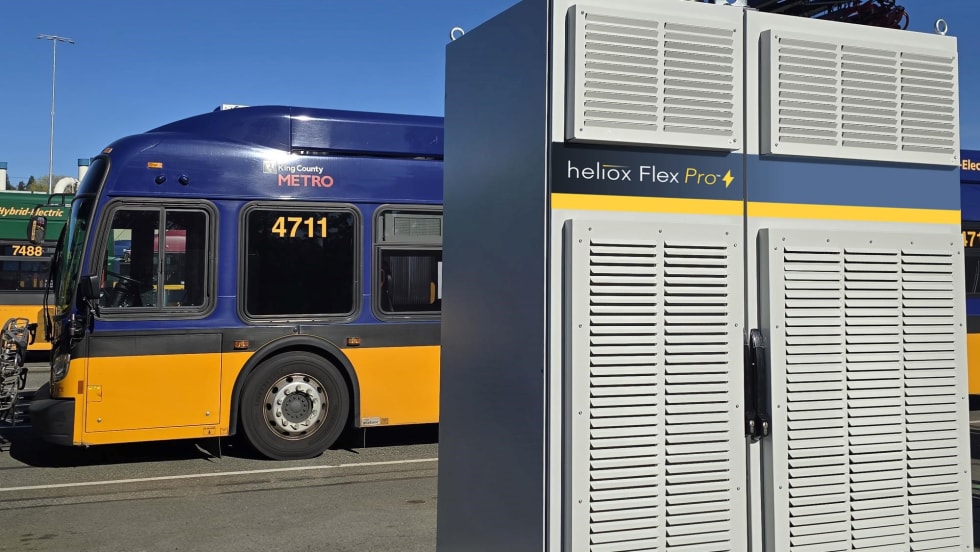
Heliox Pilots 480-kW Bus Charger with King County Metro
King County Metro is piloting Heliox’s new 480-kW Flex Pro charger to support expansion of its battery-electric bus fleet and depot charging infrastructure. The compact charging system supports pantograph and plug-in charging configurations for high-density transit operations.
Read More →