




Boston Converts Vans to Gasoline-Electric Hybrids
The City of Boston has added XL Hybrids' XL3 gasoline-electric hybrid powertrain to four of its vans and is converting a fifth vehicle.
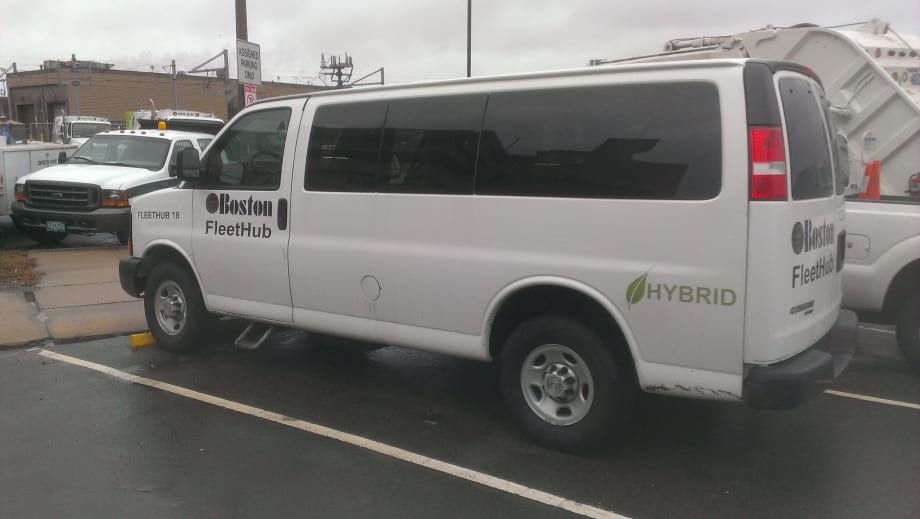
Photo courtesy of City of Boston.
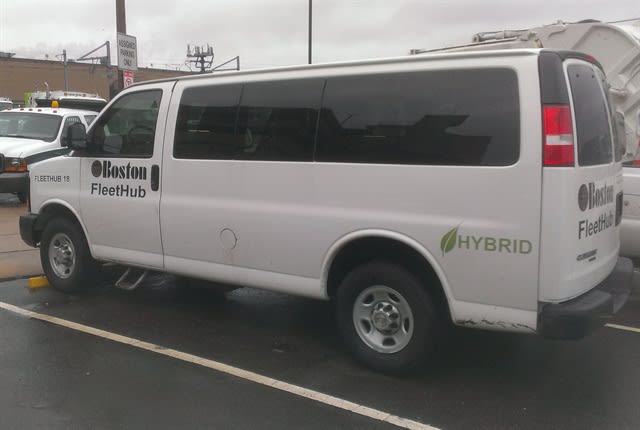
Photo courtesy of City of Boston.
The City of Boston has added XL Hybrids' XL3 gasoline-electric hybrid powertrain to four of its vans and plans to convert a fifth vehicle today, the city's fleet manager told Government Fleet magazine.
The converted vans are being used by the Boston Transportation Department’s Enforcement Division, the Elderly Affairs Department’s Senior Shuttle Service, and the Central Fleet.
"The ability to retrofit vans from our existing fleet allowed us to see immediate benefits," said Jim McGonagle, the city's director of central fleet management. "There were no driver training or maintenance requirements."
If funding permits, the city will continue to convert several of its later-model vans, and a hybrid option will be included in all future van procurement, he added. The fleet consists of more than 160 full-size passenger and cargo vans.
The city is seeing up to a 20% increase in fuel mileage on its first four converted units. The fleet will continue to compare the hybrid and non-hybrid units for one full year, McGonagle said.
The hybrid vans support the city’s goal of reducing greenhouse gas emissions by 25% by 2020 and 80% by 2050. The City of Boston hopes to replace 10% of its fleet each year with alternative fuel vehicles. The city's diesel-powered vehicles now use a B-20 biodiesel blend.
Boston has been replacing older sedans with alternative fuel vehicles over the past three years. In addition, the city initiated a vehicle sharing pool in 2012 as part of its commitment to lowering greenhouse gas emissions by reducing fuel usage.
XL Hybrids adds an electric motor, a lithium-ion battery pack, and control software to the vehicle without making significant modifications to the OEM’s internal combustion engine or transmission, according to the company. It doesn’t need special plugs or charging or fueling infrastructure, and the system can be installed in six hours.
More Green Fleet
Sustainability Partners, Energy Systems Group Help Albuquerque Close the Gap on its 100% Renewable Energy Goal
The eight-site, 6 MW solar project has advanced the city toward 100% renewable energy for municipal operations.
Read More →
Port Authority and CALSTART Launch $45 Million Electric Truck and Charging Programs
The programs aim to boost sustainable operations across the East Coast's busiest seaport.
Read More →
Moving Government Fleets Beyond the Vehicle Purchase: EV as a Service
A discussion on how EVaaS is moving beyond pilot programs and what fleets should consider before beginning a larger deployment.
Read More →
Moving Government Fleets Beyond the Vehicle Purchase: EV as a Service
As fleets move beyond small EV pilots, Sustainability Partners CEO Adam Cain explains how EVaaS can address the infrastructure and long-term planning required for larger deployments.
Read More →
Peterbilt Expands Sourcewell Partnership with Electric Vehicle Lineup
The agreement aims to provide streamlined procurement of Peterbilt trucks for government, education, nonprofit and tribal organizations across the United States and Canada.
Read More →

EV Adoption & Charging Challenges
Where is your fleet in the journey of vehicle electrification? If you're still looking for answers to fleet electrification you've come to the right place.
Read More →
Hawaii Passes Clean Fuel Policy
Hawaii lawmakers passed clean fuel legislation that could support renewable natural gas production, biogas-powered transportation, and lower-carbon fueling options for public and commercial fleets.
Read More →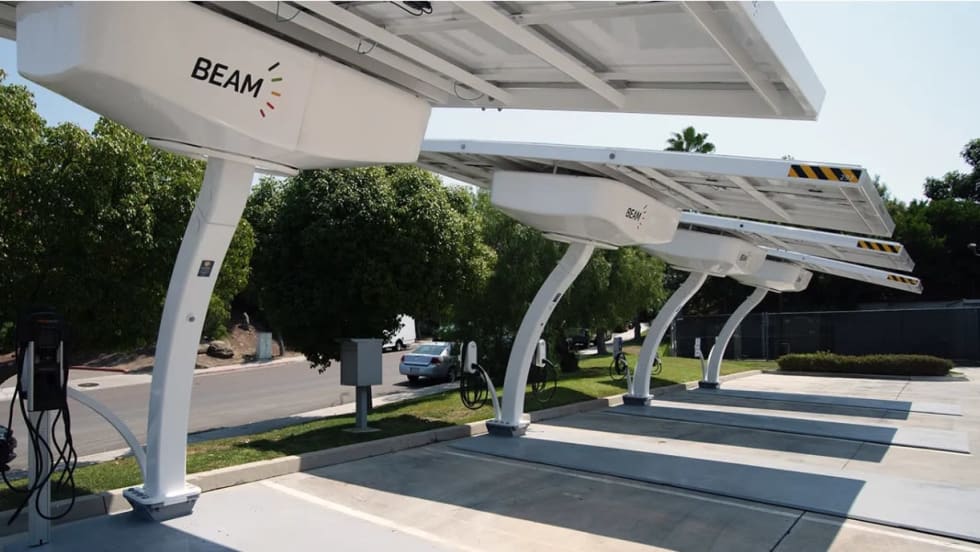
Stanislaus County Deploys Ten Beam Global EV ARC Systems to Support County Fleet Electrification
Stanislaus County deployed 10 off-grid solar-powered EV charging systems and a mobile charging trailer from Beam Global to support its electric fleet operations and emergency response flexibility.
Read More →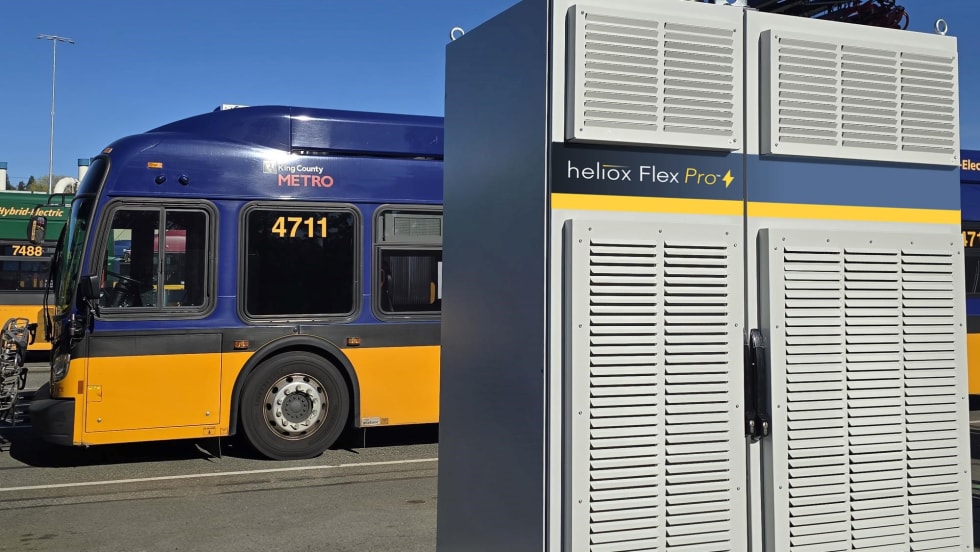
Heliox Pilots 480-kW Bus Charger with King County Metro
King County Metro is piloting Heliox’s new 480-kW Flex Pro charger to support expansion of its battery-electric bus fleet and depot charging infrastructure. The compact charging system supports pantograph and plug-in charging configurations for high-density transit operations.
Read More →