




Audit: FBI Overspent on Premium Fuel
The Federal Bureau of Investigation (FBI) overspent on premium fuel and was found to be “deficient” in fuel contract award and administration, according to an audit released this month.

File photo

File photo
The Federal Bureau of Investigation (FBI) overspent on premium fuel and was found to be “deficient” in fuel contract award and administration, according to an audit released this month by the U.S. Department of Justice’s Office of Inspector General. Auditors found the FBI unjustifiably spent $57,000 more on premium fuel than it would have spent on regular fuel.
The audit examined two fiscal-year 2015 contracts between the FBI and Petroleum Traders Corporation, a wholesale bulk fuel supplier. One of the contracts was for the FBI Miami Field Office and the other was for the FBI Northern Virginia Resident Agency.
Auditors found that the FBI was not able to ensure it was receiving the best fuel prices, receiving the proper amount of fuel at the agreed-upon prices, and using the fuel in the most efficient manner. The FBI did not award the Miami office contract in accordance with regulation, and the office purchased premium fuel that it could not support the need for.
Auditors provided 10 recommendations in the audit, which included: awarding fuel contracts in accordance with regulation, ensuring fuel purchases are for 87 octane fuel, ensuring invoiced price per gallon is in accordance with the contract, paying contractors in a timely manner, maintaining complete contract files, and reviewing security measures at the fueling station.
The FBI concurred with all 10 audit recommendations.
More Fuel

Clean Energy to Build Hydrogen Station for Orange County Transportation Authority
The new station will support the agency’s growing fleet of zero-emission hydrogen fuel cell buses.
Read More →
How Fleet Managers Reduce Fuel Waste and Protect Budgets
When fuel prices swing, fleet averages don’t tell the whole story. This white paper helps fleet and operations leaders uncover where fuel waste really hides and what data they need to build a smarter, more resilient fuel strategy.
Read More →
Planning for Future Technologies: Hydrogen and Beyond
As public agencies work to cut emissions from off-road operations, fleets are turning to a mix of renewable fuels, hybrid systems, battery-electric equipment and emerging hydrogen technology.
Read More →
RoadFlex Expands Fuel Network with Refuel Partnership
RoadFlex expands its fueling network for public sector fleets through a new partnership with Refuel, adding more than 250 locations across the Southeastern U.S. to improve access, savings, and efficiency.
Read More →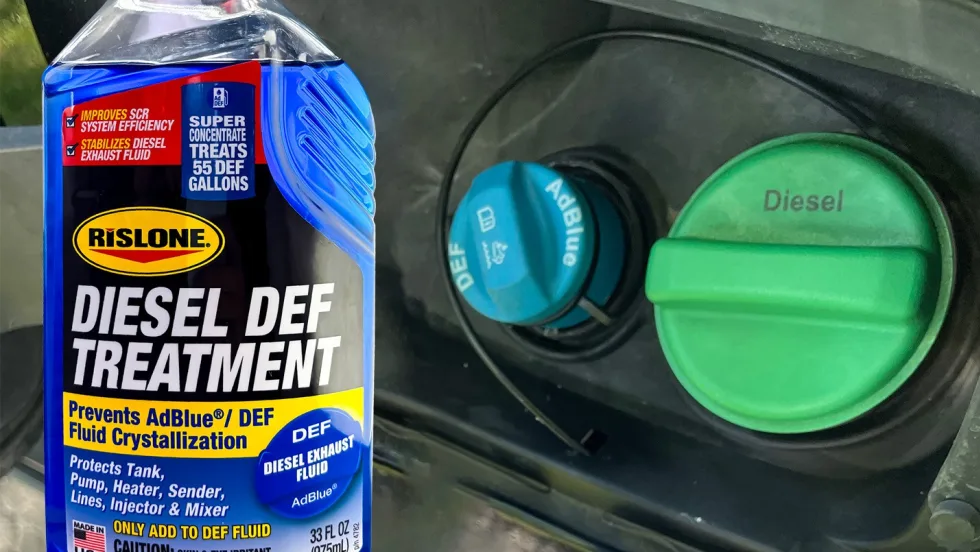
Rislone DEF Treatment Designed to Keep Diesel Exhaust Fluid Crystal-Free
Rislone is rolling out a super-concentrated version of its Diesel DEF Treatment that is designed to stabilize and improve diesel exhaust fluid.
Read More →
Are Bi-Fuel Propane Autogas Vehicles Making Law Enforcement Fleets More Resilient, Cost-Effective?
How a Florida sheriff office’s choice in fuel system led to a healthier budget, increased resiliency, and decreased emissions.
Read More →
Fleets All-In On Fuel Management Tech
Fuel management can become a tricky obstacle, but smart strategies and new tech have turned it into a well-oiled machine where price prediction is art, and cost control is science.
Read More →
Prepare Diesel Trucks for Winter with Diesel Exhaust Fluid
Understand proper DEF purchasing, handling, and storage practices in order to meet regulatory requirements and operates at peak performance.
Read More →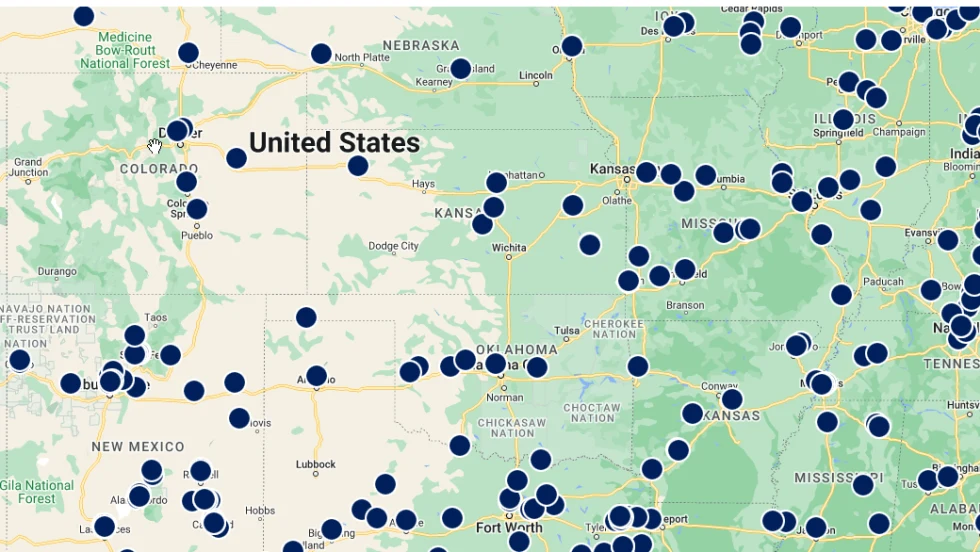
Diesel Exhaust Fluid (DEF) Locator
Yara, a diesel exhaust fluid (DEF) producer, offers a DEF locator website to help get the fluids fleets need.
Read More →
Gas vs. Diesel: The Bad Investment Only Fleet Managers Know About
A major point of debate in fleet management is using diesel vs. gas cars and trucks. Choosing to purchase gasoline engines instead of diesel ones for medium-duty trucks may be an unpopular decision, but is it the right one?
Read More →