




Hawaii Utilities Hope to Boost EV Adoption
Eight key organizations have agreed to collaborate on electrification of ground transportation in Hawaii as an essential part of achieving the state’s clean energy goals.
Eight key organizations have agreed to collaborate on electrification of ground transportation in Hawaii as an essential part of achieving the state’s clean energy goals.
Drive Electric Hawaii seeks to accelerate adoption of electric vehicles through coordinated collaboration, and to make it easier to expand vehicle-charging infrastructure in a way that brings more renewable energy onto the electric grid.
The new organization’s launch coincides with registration of the 5,000th electric vehicle in Hawaii.
Founding participants who have signed a Memorandum of Understanding are: Blue Planet Foundation; Hawai‘i State Department of Transportation (HDOT); Hawaii State Department of Business, Economic Development and Tourism (DBEDT); Hawaii State Division of Consumer Advocacy; the Hawaiian Electric Companies (including Maui Electric and Hawai‘i Electric Light); Kauai Island Utility Cooperative; Rocky Mountain Institute; and Ulupono Initiative. Other agencies and organizations are expected to join as the initiative moves forward.
“The primary focus of the Drive Electric Hawaii Initiative is to accelerate the cost-effective electrification of transportation in all passenger vehicles, public transit vehicles, and fleet vehicles…,” the memorandum states. “This effort will play a meaningful part toward the Hawaii Clean Energy Initiative objective of increasing energy security and self-sufficiency by eliminating Hawaii’s dependence on imported fuels for both electricity and ground transportation.”
Hawaii is second in the nation (after California) in per capita electric vehicle registrations and a leader in charging facilities. Despite low gasoline prices, plug-in passenger vehicles registered in the state increased 26 percent last year. At the same time, gasoline and diesel vehicle registrations fell by 4 percent and 3 percent respectively.
“We are in the midst of a massive transformation,” said Richard Wallsgrove of Blue Planet Foundation. “Electric vehicles can use renewable energy, enabling us to drastically reduce our state’s carbon pollution. At the same time, electric vehicles can help to lower the cost of energy for everyone. This can be a true win-win.”
With over one million vehicles registered in the state, Wallsgrove said, “Reaching 5,000 electric vehicles is an early milestone. But every great journey starts with one step. The goal of Drive Electric Hawaii is to accelerate this progress, reaching our clean energy goals faster, together.”
“Being able to offer EV users power that is generated from renewable sources is a high priority for us at Kauai Island Utility Cooperative. At 36 percent, we are well on our way to reaching – and exceeding - our goal of 50 percent renewables by 2023,” said David Bissell, KIUC president and CEO.
The initiative grew out of Rocky Mountain Institute’s eLab Accelerator initiative – “a boot camp for electricity innovation”– where earlier this year Blue Planet Foundation, Hawaiian Electric, Ulupono Initiative, and other Hawaii representatives brainstormed ways get more electric vehicles deployed and successfully integrated into the grid. Colorado-based RMI is an independent, global non-profit organization dedicated to sustainability, with a focus on market-based innovations for energy and resource efficiency.
"We think smartly integrated electric vehicles could be a boon -- not a burden -- for a Hawaii grid that is increasingly renewable, and Drive Electric Hawaii will help all stakeholders consider how to approach EV integration holistically," said Jesse Morris, a principal at Rocky Mountain Institute focused on enabling the integration of distributed energy resources like EVs.
The Drive Electric Hawaii shared vision includes:
Building a broad coalition in support of renewable transportation
Encouraging use of electric vehicles
Increasing electric vehicle charging opportunities that support 100 percent renewable energy
Developing policies, regulations and laws to unlock the full value of electrified transportation
“The memorandum reinforces much of the ongoing work being done at DBEDT and elsewhere to improve the synergies between the electricity and transportation sector,” said DBEDT Director Luis P. Salaveria. “We are grateful for the leadership taken by energy and transportation stakeholders in advancing this very important piece of our clean energy transformation.”
“Drive Electric Hawaii is a great opportunity for the public, private and nonprofit sectors to collaborate on accelerating Hawaii’s bold energy and transportation goals,” said Greg Gaug, vice president of investments for the local impact investment firm Ulupono Initiative. “As part of our energy system strategy, we look forward to working with the state, utilities, and transportation and energy stakeholders to get more EVs on our roads.”
“Many individuals, organizations and agencies must work together to achieve a clean transportation energy future. No one can do it alone,” said Shelee Kimura, Hawaiian Electric vice president for corporate planning and business development. “We believe that, along with renewable generation of electricity, transportation electrification can help us achieve stable, reliable and lower-cost service for all our customers,”
With signing of the memorandum, participants will begin to establish a work plan and initiatives to move forward.
More Operations
Is Keeping Older Fleet Vehicles Really Saving Money?
Is keeping vehicles longer saving money, and what happens when a diagnostic test points to the wrong fix?
Read More →
How Smart Fleet Strategy Can Help Local Government Agencies Do More with Less
Keeping a vehicle longer may ease this year’s budget, but what does it cost the next one? A closer look at fleet decisions can reveal opportunities to reduce spending while protecting essential services.
Read More →
Connect with Government Fleet on LinkedIn
From industry news and fleet management strategies to conversations with peers, Government Fleet's LinkedIn page offers public-sector fleet professionals another way to stay informed and connected.
Read More →
Town of Queen Creek Named Most Successful Fleet Award Winner of Inaugural RTA Fleet Success Awards
Five fleets were honored at RTA Connect 2026 in Chicago for excellence across resource efficiency, intentional culture, risk management, and stakeholder satisfaction.
Read More →
A buyer's guide to fleet management software in 2027
Buying fleet management software in 2027 means looking beyond features and price. As fleet operations, technology and expectations evolve, this guide explores what today’s fleet professionals should consider when choosing a system that can deliver value now and adapt to what comes next.
Read More →
Hazard Alerts, Fleet Car Sales Rise and a New Shuttle Concept
Fleet car sales doubled, but the bigger picture tells a different story in this week’s roundup.
Read More →
How St. Johns County Turned Fleet Data Into Better Replacement Decisions
St. Johns County, Florida, had fleet data, but turning it into reliable decision guidance was another matter. Instead of starting over with a new fleet management system, the county connected existing tools and built a scoring system that gives managers an objective look at fleet health.
Read More →
Fleet Forward Conference Introduces One-Day Passes for 2026
New one-day registration lets fleet professionals attend Tuesday, Wednesday, or Thursday, with passes available for $249.
Read More →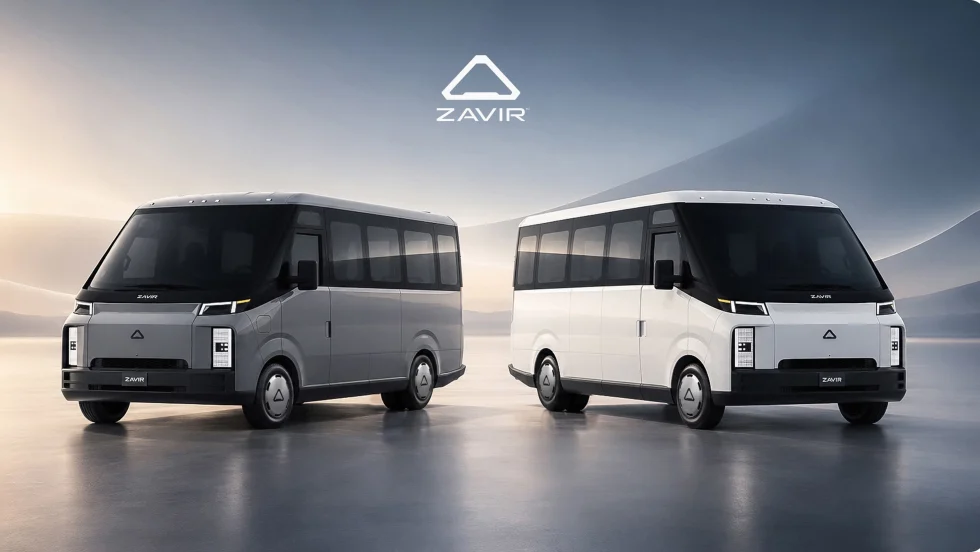
ENC Unveils its ZAVIR Medium-Duty Shuttle
Two variants of the concept shuttles were revealed: a low-floor configuration and a high-floor configuration.
Read More →
Could Your Next Fleet Technician Start as an Intern?
What if your next technician hasn’t worked in a fleet shop yet? What fleets are doing to free up time.
Read More →