




Related: Obama Aims to Invest $4B in Automated Vehicle Technology
Beverly Hills to Develop Autonomous Vehicle Program
The City of Beverly Hills, Calif., is developing an autonomous vehicle program for public transportation. The City Council hopes the vehicles will address “first and last mile” issues related to the expansion of Los Angeles County’s Metro subway into the city.
by Staff
April 8, 2016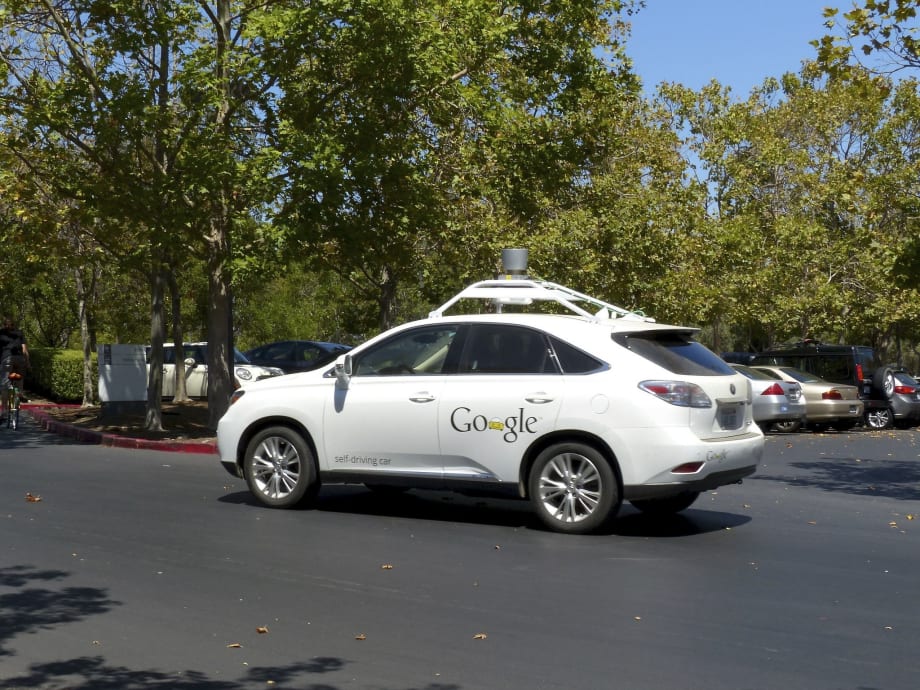
Photo via Flickr/Roman Boed
2 min to read
Photo via Flickr/Roman Boed
The City of Beverly Hills, Calif., will begin developing an autonomous vehicle program for public transportation, following the City Council's April 5 approval of the initiative. The City Council hopes the vehicles will address “first and last mile” issues related to the expansion of Los Angeles County’s Metro subway into the city.
“This is a game-changer for Beverly Hills and, we hope, for the region,” said Mayor John Mirisch. “Beverly Hills is the perfect community to take the lead to make this technology a reality. It is now both feasible and safe for autonomous cars to be on the road.”
The subway extension with two stops in Beverly Hills is expected to be operational by 2026, but no new public parking is planned. The city envisions the autonomous vehicle shuttles would provide on-demand, point-to-point transportation within the city, with users requesting a ride using their smart phones, according to a city release.
The city plans to develop partnerships with A.V. manufacturers such as Google and Tesla, work with regulators and policy makers, and create a white paper outlining the A.V. program.
Craig Crowder, fleet manager for the City of Beverly Hills, who will be a member of the committee to research the project, is excited about adopting the newest technology into the city fleet. But he admits the city is just beginning. “There are a lot of hurdles to overcome at this point,” he said. These include vehicles not yet being available and state and federal regulations.
However, the city will have time to work on this project before the subway stops are open. A number of companies are predicting they will have AVs on the market in two to five years.
More Operations

Can Public Fleets Trust the Data Driving Their Decisions?
Public fleets have more data than ever, but inconsistent records and missing information can still undermine maintenance, replacement, and cost decisions.
Read More →
How Phoenix Is Building Its Next Generation of Fleet Technicians
With more than 8,000 vehicles and pieces of equipment to maintain, the City of Phoenix could not afford to wait for fully trained technicians to walk through the door. Instead, they revamped their entire workforce strategy and showed how public fleets can create their own talent pipeline while preparing existing employees for increasingly complex vehicles.
Read More →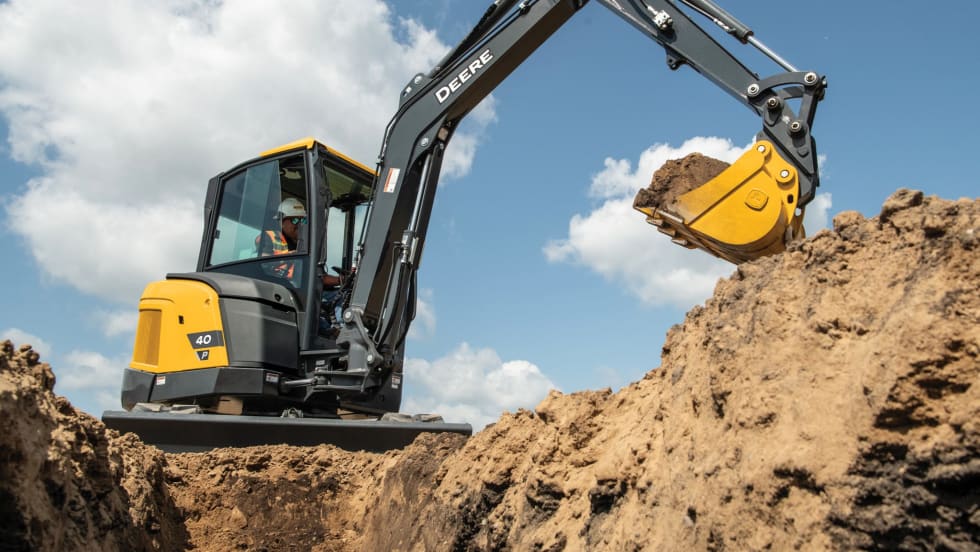
John Deere Introduces 40 P-Tier Compact Excavator
John Deere is adding a compact excavator designed for crews that need to move equipment between jobsites and handle multiple types of work with one machine. The 40 P-Tier weighs less than 10,000 pounds and offers configurable hydraulics, attachment options, and connected fleet-management capabilities.
Read More →
How Leading Fleets Improve and Why Business Plans Matter
This week, we look at what past Leading Fleet winners can teach us about making progress, plus how to build a business plan your fleet will actually use.
Read More →
Nominate a Fleet Leader for the 2027 Public Fleet Hall of Fame
Do you know a fleet leader who has made a lasting impact on the industry? Nominate this fleet professional for the 2027 Public Fleet Hall of Fame.
Read More →
Why Fleet Business Plans Need Three Perspectives
A fleet business plan should help agency leaders understand the fleet’s value, give the organization a clear direction, and establish shared expectations with customer departments.
Read More →
How Oil Analysis, Safety Technology, and Fleet Awards Drive Improvement
What happens when fleets let measured results guide their next decision?
Read More →
Emergency Response, Fleet Sales and New Technology
This week’s fleet news covers emergency preparedness, shifting vehicle sales, electric truck investments, and new tools for monitoring road conditions.
Read More →
NCDOT Adds Dash Cam Imagery to Statewide Traffic Monitoring
North Carolina transportation officials are adding another set of eyes to roads that aren't covered by fixed traffic cameras. A statewide deployment gives NCDOT access to on-vehicle imagery to verify conditions during work zones, severe weather, emergencies, and other traffic events.
Read More →
Turning a Bottleneck Into a Blueprint: How Tallahassee Rethought Police Fleet Readiness
For Tallahassee, finally receiving 87 delayed police cruisers created a new problem: how to get them on the road without creating a massive backlog. The solution would change more than the upfit process.
Read More →