




City Leases 10 Low-Cost Electric Vehicles
The City of New Bedford, Mass., has replaced 10 of its passenger vehicles with Nissan LEAF electric vehicles. The leases cost the city only $73 per vehicle per month.
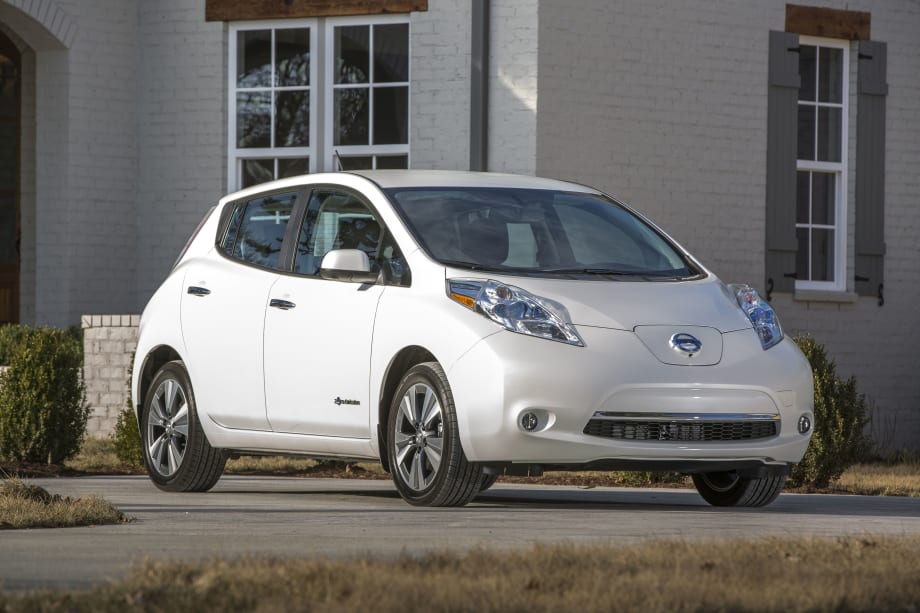
Photo courtesy of Nissan.
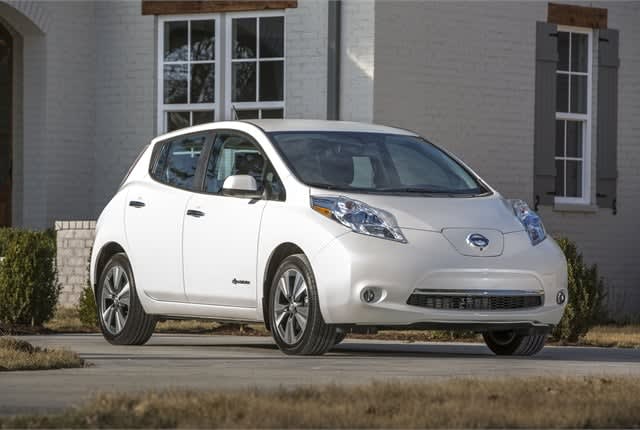
Photo courtesy of Nissan.
The City of New Bedford, Mass., has replaced 10 of its passenger vehicles with Nissan LEAF electric vehicles (EVs), the city announced. This represents 14% of the cars in the municipal passenger fleet of 70 vehicles.
With financial assistance from the state, the leases on the vehicles cost the city only $73 per vehicle per month. The $26,150 total cost of leasing the 10 EVs is much less expensive than purchasing or leasing conventional vehicles, according to a city release. When the three-year lease term expires, the city intends to continue its commitment to EVs.
Financial incentives come from the Massachusetts Department of Environmental Protection’s Electric Vehicle Incentive Program and the state Department Energy Resources.
This move will allow the city to retire 10 older models purchased in the early- and mid-1990s that have exceeded their useful life.
Fuel savings from conversion to 10 EVs are estimated at $10,202 annually based on 12,000 miles driven per vehicle and gasoline prices at $2.75 per gallon. Environmental benefits from the 10 LEAFs include a decrease in greenhouse gas (GHG) emissions and smog-forming emissions; 110 barrels of oil saved annually; and reduction of approximately 114,700 lbs. of carbon-dioxide from the atmosphere annually. Maintenance needs are expected to be lower.
City Health Department inspectors will use the vehicles. The cars achieve the equivalent of 126 miles per gallon on city roads and have a driving range of 84 miles.
The city is also expanding the number of electric car charging stations to 17 total stations.
Officials believe the city has more EVs in its passenger car fleet than any other municipality in the state.
“What is not to love about a move that saves money, modernizes an aging city fleet, and is good for the environment," said Mayor John Mitchell. "When we set out to modernize and professionalize city government four years ago, we knew there were great opportunities if we just found the right partners and developed a good team that could get the job done."
More Operations

Is Keeping Older Fleet Vehicles Really Saving Money?
Is keeping vehicles longer saving money, and what happens when a diagnostic test points to the wrong fix?
Read More →
How Smart Fleet Strategy Can Help Local Government Agencies Do More with Less
Keeping a vehicle longer may ease this year’s budget, but what does it cost the next one? A closer look at fleet decisions can reveal opportunities to reduce spending while protecting essential services.
Read More →
Connect with Government Fleet on LinkedIn
From industry news and fleet management strategies to conversations with peers, Government Fleet's LinkedIn page offers public-sector fleet professionals another way to stay informed and connected.
Read More →
Town of Queen Creek Named Most Successful Fleet Award Winner of Inaugural RTA Fleet Success Awards
Five fleets were honored at RTA Connect 2026 in Chicago for excellence across resource efficiency, intentional culture, risk management, and stakeholder satisfaction.
Read More →
A buyer's guide to fleet management software in 2027
Buying fleet management software in 2027 means looking beyond features and price. As fleet operations, technology and expectations evolve, this guide explores what today’s fleet professionals should consider when choosing a system that can deliver value now and adapt to what comes next.
Read More →
Hazard Alerts, Fleet Car Sales Rise and a New Shuttle Concept
Fleet car sales doubled, but the bigger picture tells a different story in this week’s roundup.
Read More →
How St. Johns County Turned Fleet Data Into Better Replacement Decisions
St. Johns County, Florida, had fleet data, but turning it into reliable decision guidance was another matter. Instead of starting over with a new fleet management system, the county connected existing tools and built a scoring system that gives managers an objective look at fleet health.
Read More →
Fleet Forward Conference Introduces One-Day Passes for 2026
New one-day registration lets fleet professionals attend Tuesday, Wednesday, or Thursday, with passes available for $249.
Read More →
ENC Unveils its ZAVIR Medium-Duty Shuttle
Two variants of the concept shuttles were revealed: a low-floor configuration and a high-floor configuration.
Read More →
Could Your Next Fleet Technician Start as an Intern?
What if your next technician hasn’t worked in a fleet shop yet? What fleets are doing to free up time.
Read More →