




Baseball All-Star Stresses Teamwork in GFX Keynote
Baseball iron man Steve Garvey credited his streak of 1,207 consecutive games played to passion, hard work, and "being a good teammate" during the Tuesday morning keynote speech at the Government Fleet Expo and Conference in San Diego.


Photo by Vince Taroc.

Photo by Vince Taroc.
Baseball iron man Steve Garvey credited his streak of 1,207 consecutive games played to passion, hard work, and "being a good teammate" during the Tuesday morning keynote speech at the Government Fleet Expo and Conference at the San Diego Convention Center.
Garvey, who finished his career with the hometown Padres, said the qualities that made him an all-star ballplayer are easily translatable to other roles including managing fleet vehicles.
"Being a good leader means not being petty," Garvey said. "It means helping others."
Garvey entered professional baseball in 1969, when he signed with the Los Angeles Dodgers, after graduating from Michigan State University. Garvey recounted the story of his signing, when his mother and father negotiated with Dodgers executives. Garvey's father got the team to bump up their offer from $12,000 to $18,000, and then to $25,000, but his mother told the team that the signing bonus "wasn't enough." After Garvey's mother threatened to pay her son $25,000 to return to school, the team relented and offered $40,000 plus a new car.
After joining the Dodgers as a third baseman, Garvey needed to learn his trade and was eventually offered a chance to play first base. On June 23, 1973, Garvey began his conseccutive games streak. That day, Garvey joined fellow infielders Davey Lopes, Bill Russell, and Ron Cey to form a Dodgers infield that would stay together for nine seasons.
During that time, Garvey suffered many minor injuries, but stayed in the lineup. He told the audience of public sector fleet managers that it's always important to show up and do your job to support your teammates.
By Paul Clinton
More Operations
Is Delaying Fleet Replacement Really Saving Money?
Could delaying replacement cost your fleet more than it saves? This week’s recap takes a closer look, plus an update on GFX 2027.
Read More →
What Government Fleets Are Missing About Their True Costs
What are fleet budgets missing, and how can agencies use the data they already collect to make a stronger case for change?
Read More →
Rethinking Fleet Decisions From the Budget Office to the Shop
This October we looked back at how public fleets are reconsidering familiar processes and using what they learn to make better decisions.
Read More →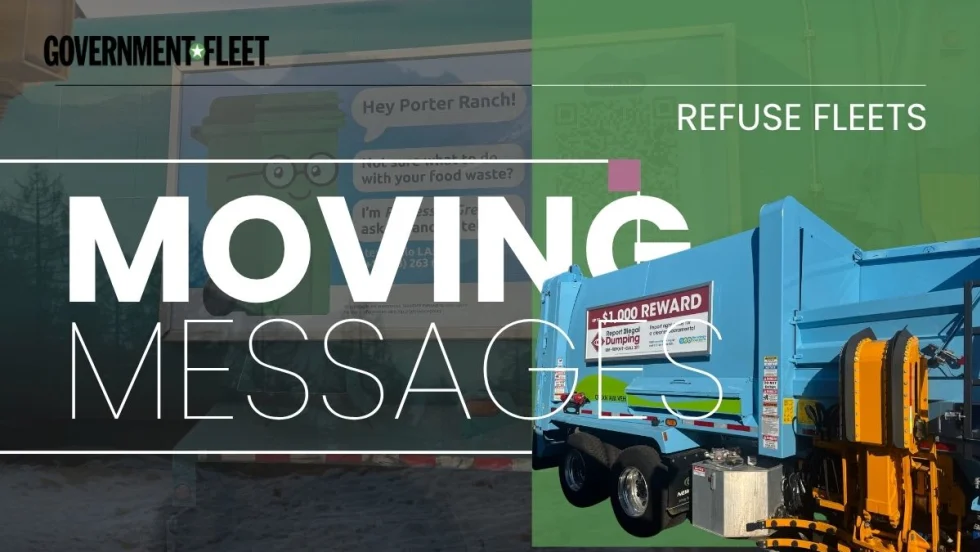
Who Owns the Message on a Refuse Truck?
Refuse trucks can carry public messages into neighborhoods, but keeping those messages current takes planning and clear responsibility.
Read More →
Who Deserves Fleet Recognition and What Could You Teach at GFX?
Who helped shape your fleet career, and what have you learned that could help someone else?
Read More →
What’s Haunting Public Sector Fleets?
Public sector fleet challenges rarely happen in isolation, and addressing one often means understanding how it connects to another.
Read More →
Is Keeping Older Fleet Vehicles Really Saving Money?
Is keeping vehicles longer saving money, and what happens when a diagnostic test points to the wrong fix?
Read More →
How Smart Fleet Strategy Can Help Local Government Agencies Do More with Less
Keeping a vehicle longer may ease this year’s budget, but what does it cost the next one? A closer look at fleet decisions can reveal opportunities to reduce spending while protecting essential services.
Read More →
Connect with Government Fleet on LinkedIn
From industry news and fleet management strategies to conversations with peers, Government Fleet's LinkedIn page offers public-sector fleet professionals another way to stay informed and connected.
Read More →
Town of Queen Creek Named Most Successful Fleet Award Winner of Inaugural RTA Fleet Success Awards
Five fleets were honored at RTA Connect 2026 in Chicago for excellence across resource efficiency, intentional culture, risk management, and stakeholder satisfaction.
Read More →