




Rhode Island Transitioning to EV & Hybrid Fleet
Rhode Island will require new State vehicle purchases be electric or hybrids whenever possible. State agencies will use Federal American Recovery and Reinvestment Act (ARRA) dollars to pay for the differential cost.
Rhode Island Governor Lincoln Chafee announced on June 18 that the State will transition its fleet to more environmentally friendly vehicles, with a focus on electric and hybrid vehicles. State Agencies will use Federal American Recovery and Reinvestment Act (ARRA) dollars to pay for the differential cost between an alternative fuel vehicle and a comparably sized gas-powered car.
Director of Administration Richard Licht is overseeing the “greening” process. “We will require that new state vehicle purchases be electric vehicles or hybrids wherever possible. We are pleased to be able to leverage Federal ARRA State Energy Program dollars to purchase electric vehicles and hybrids and to develop the network of charging stations at convenient locations throughout Rhode Island.”
Licht said the “greening” of the state fleet is under way. “We have already replaced 30 gas-powered State cars with low-emission hybrid and plug-in hybrid vehicles, using Federal ARRA dollars to offset the higher upfront costs,” he explained.
In December 2012, the State began seeking bids for electric vehicles for the first time.
Governor Chafee also unveiled an electric vehicle charging station at Roger Williams University in Bristol, Rhode Island, on June 18, the first in a network of up to 50 electric vehicle charging stations to be installed throughout the state over the next three months.
"Supporting electric vehicle transportation in Rhode Island will provide a boost to the State economy, saving money on gas and keeping dollars that would have been spent on imported oil here in Rhode Island," said Governor Chafee.
The State Office of Energy Resources awarded the $781,225 contract to site and install the charging stations to ChargePoint. ChargePoint is working with National Grid, Rhode Island's largest utility and a pioneer in electric vehicle charging station deployment.
ChargePoint CEO Pat Romano said users will have the ability to locate, reserve, and navigate to unoccupied charging stations with online tools and mobile applications.
More Green Fleet
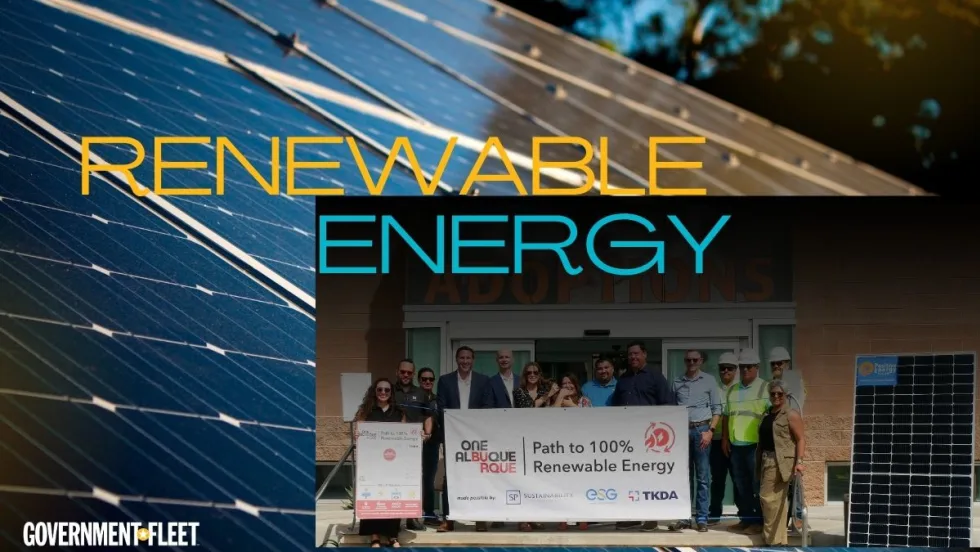
Sustainability Partners, Energy Systems Group Help Albuquerque Close the Gap on its 100% Renewable Energy Goal
The eight-site, 6 MW solar project has advanced the city toward 100% renewable energy for municipal operations.
Read More →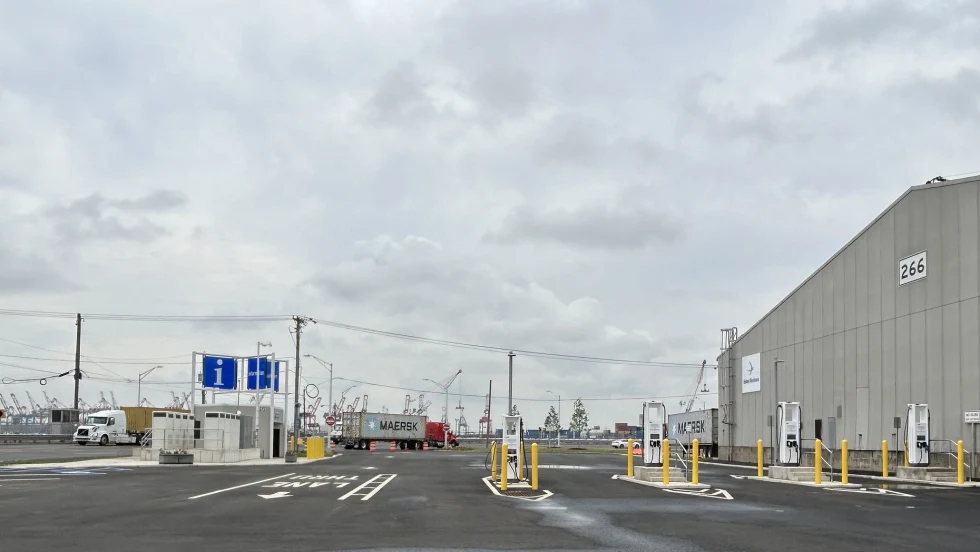
Port Authority and CALSTART Launch $45 Million Electric Truck and Charging Programs
The programs aim to boost sustainable operations across the East Coast's busiest seaport.
Read More →
Moving Government Fleets Beyond the Vehicle Purchase: EV as a Service
A discussion on how EVaaS is moving beyond pilot programs and what fleets should consider before beginning a larger deployment.
Read More →
Moving Government Fleets Beyond the Vehicle Purchase: EV as a Service
As fleets move beyond small EV pilots, Sustainability Partners CEO Adam Cain explains how EVaaS can address the infrastructure and long-term planning required for larger deployments.
Read More →
Peterbilt Expands Sourcewell Partnership with Electric Vehicle Lineup
The agreement aims to provide streamlined procurement of Peterbilt trucks for government, education, nonprofit and tribal organizations across the United States and Canada.
Read More →
EV Adoption & Charging Challenges
Where is your fleet in the journey of vehicle electrification? If you're still looking for answers to fleet electrification you've come to the right place.
Read More →
Hawaii Passes Clean Fuel Policy
Hawaii lawmakers passed clean fuel legislation that could support renewable natural gas production, biogas-powered transportation, and lower-carbon fueling options for public and commercial fleets.
Read More →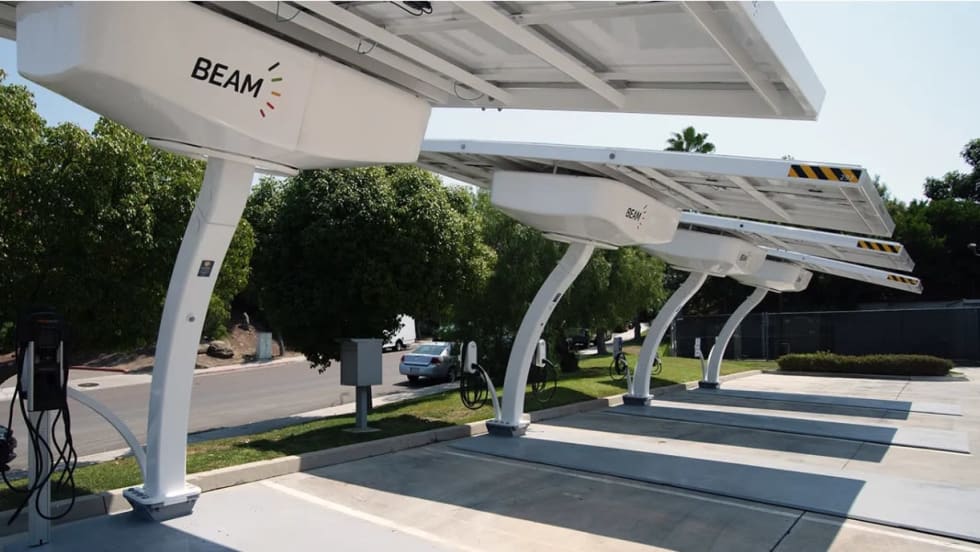
Stanislaus County Deploys Ten Beam Global EV ARC Systems to Support County Fleet Electrification
Stanislaus County deployed 10 off-grid solar-powered EV charging systems and a mobile charging trailer from Beam Global to support its electric fleet operations and emergency response flexibility.
Read More →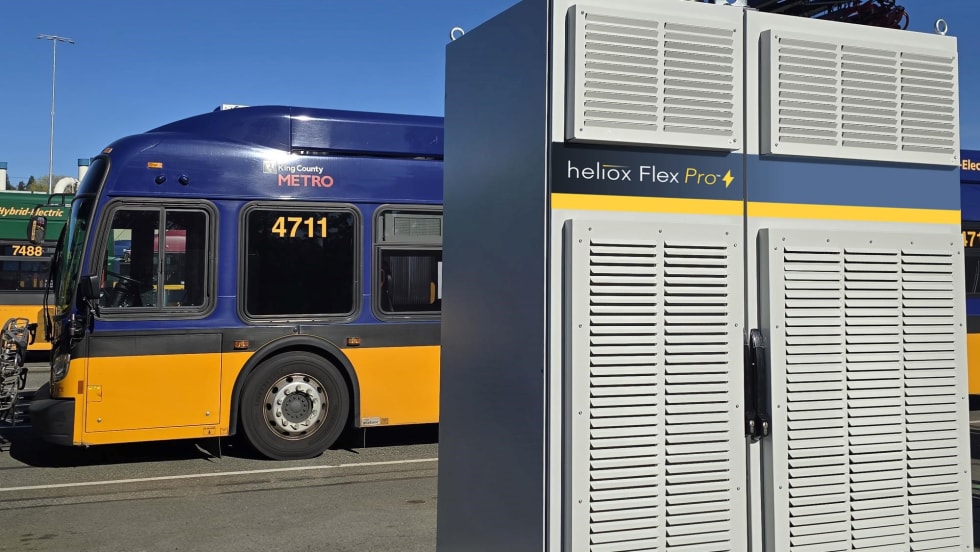
Heliox Pilots 480-kW Bus Charger with King County Metro
King County Metro is piloting Heliox’s new 480-kW Flex Pro charger to support expansion of its battery-electric bus fleet and depot charging infrastructure. The compact charging system supports pantograph and plug-in charging configurations for high-density transit operations.
Read More →