




Two Idaho Companies Offer Yamaha Police Motorcycles
Two Idaho-based companies have introduced differing law enforcement versions of Yamaha's FJR-1300 sport-touring motorcycle.
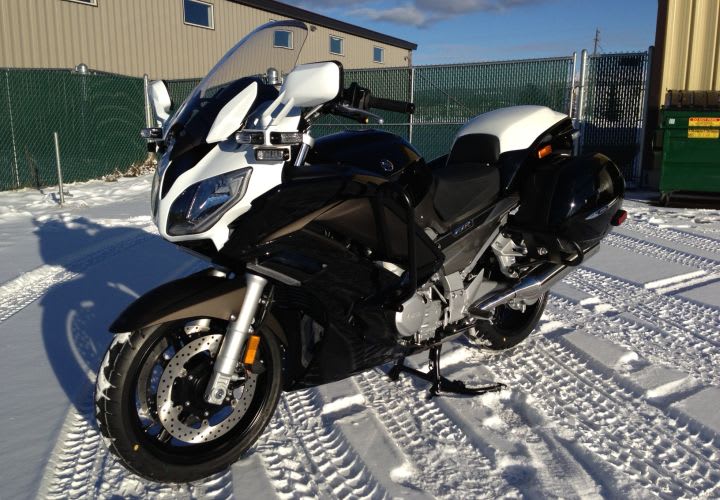
Photo courtesy Steve Beaudry.
Photo courtesy Steve Beaudry.
Two Idaho-based companies have introduced differing law enforcement versions of Yamaha's FJR-1300 sport-touring motorcycle.
Steve Beaudry, who offered the Kawasaki Concours 14P motorcycle is prepping the 2013 Yamaha FJR-1300AP for law enforcement use. Like the Concours 14P, the cycle is a conversion of a retail bike. Beaudry tells POLICE Magazine the motorcycle will include features to handle the rigors of police work.
Separately, Enforcement Motors is offering the Yamaha FJR-1300P. Agencies can build a police motorcycle from the company's standard Law Enforcement package and add other needed accessories and equipment, according to the company's website.
Beaudry's Yamaha FJR-1300AP will arrive with a Whelen LED emergency lighting system (with 32 flash patterns), hidden Whelen 100-watt three-tone siren system, dual-linked battery system with 12 fused police-only circuits, front and rear 12-volt accessory sockets, front and rear protection bars, and height-adjustable solo saddle with heated seat option.
Both cycles retain several features from the civilian version such as anti-lock brakes, traction control, electronic cruise control, a "wet" hydraulic clutch, 6.6-gallon tank, and removable saddle bags.

Photo courtesy Steve Beaudry.
The cycle is powered by a four-cylinder, 1,298cc inline engine that generates 150 hp to propel the bike from 0-60 in 3.18 seconds. The Yamaha FJR-1300AP is being considered by the Michigan State Police for their annual police vehicle testing in September.
The motorcycles will sell for between $17,000 and $22,000 depending on configuration. Enforcement Motors has an exclusive right to sell its version of the motorcycle in Arizona.
By Paul Clinton
Updated 4/12/2013 with new information about Enforcement Motors' vehicle.
More Operations
What Can Disappear After a Fleet Crash?
This week, we look at drone footage, what fleets should document before repairs begin, and share a quick poll.
Does Your Government Fleet Handle Refuse and Waste Operations? Take Our Poll
Government Fleet wants to hear from public-sector fleet professionals about their responsibilities for refuse collection and waste management equipment.
Fleet Replacement Decisions, Waste Fleet Technology and the GFX Deadline
Is your next vehicle the right fit, can your records settle a missed pickup dispute, and what could your fleet teach others at GFX 2027?
Is Delaying Fleet Replacement Really Saving Money?
Could delaying replacement cost your fleet more than it saves? This week’s recap takes a closer look, plus an update on GFX 2027.

What Government Fleets Are Missing About Their True Costs
What are fleet budgets missing, and how can agencies use the data they already collect to make a stronger case for change?
Rethinking Fleet Decisions From the Budget Office to the Shop
This October we looked back at how public fleets are reconsidering familiar processes and using what they learn to make better decisions.
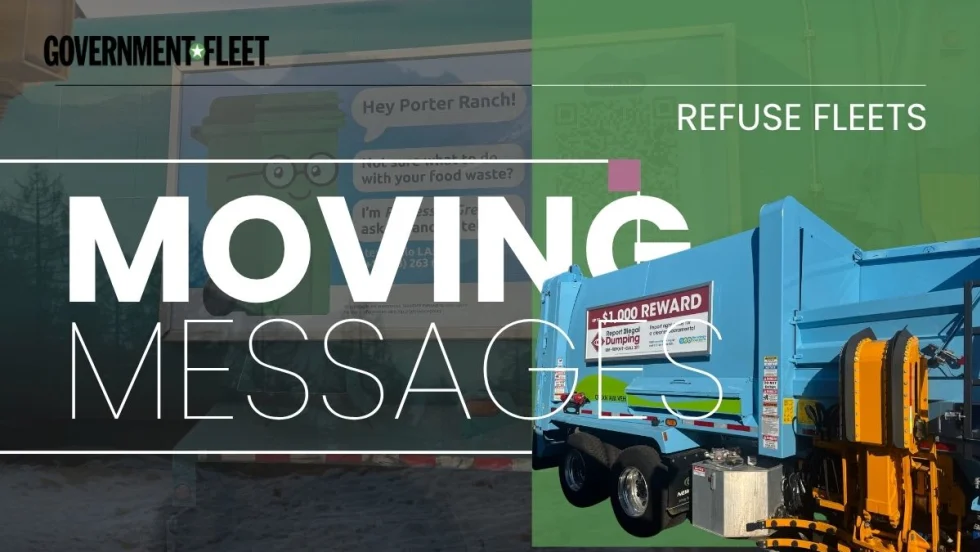
Who Owns the Message on a Refuse Truck?
Refuse trucks can carry public messages into neighborhoods, but keeping those messages current takes planning and clear responsibility.
Who Deserves Fleet Recognition and What Could You Teach at GFX?
Who helped shape your fleet career, and what have you learned that could help someone else?
What’s Haunting Public Sector Fleets?
Public sector fleet challenges rarely happen in isolation, and addressing one often means understanding how it connects to another.
Is Keeping Older Fleet Vehicles Really Saving Money?
Is keeping vehicles longer saving money, and what happens when a diagnostic test points to the wrong fix?