




Pew Study Finds 61 Cities' Retirement Systems Face $217 Billion Gap
Pew Charitable trusts found 61 key cities across America had a gap of more than $217 billion between what they had promised their workers in pensions and retiree health care and what they had saved to pay that bill.
Sixty-one key cities across America have emerged from the Great Recession with a gap of more than $217 billion between what they had promised their workers in pensions and retiree health care and what they had saved to pay that bill, according to a report released Jan. 15 by The Pew Charitable Trusts. The new report includes the most populous city in each state, plus all others with populations greater than 500,000.
For pensions, these cities had a shortfall of $99 billion in fiscal year 2009, the most recent year with complete data. The rest of the shortfall—$118 billion—was for retiree health care and other benefits. Because some cities are slow to report their results, a complete set of data was available only through fiscal year 2009.
Between 2007 and 2009, 16 cities consistently did well in funding their pensions, while nine cities underperformed. Wide disparities exist in how well prepared cities are to fulfill their pension obligations to employees. Milwaukee, Wis., had a surplus at the end of fiscal year 2009, with enough money to cover 113% of its liabilities. At the other end of the spectrum, pension systems in four cities — Charleston, W.V.; Omaha, Neb.; Portland, Ore.; and Providence, R.I. —were the most poorly funded, with Charleston trailing all the cities at 24%.
“Cities like Charlotte, Milwaukee, and San Francisco show that pension obligations can be met in a sustainable and affordable way that benefits employees and taxpayers,” said David Draine, senior researcher at the Pew Center on the States. “On the other hand, rising costs for poorly funded pension systems can crowd out funding for other city priorities like roads and education, lead to tax increases, or threaten retirement benefits.”
Among the 61 cities, those with better-funded plans all had the discipline to pay their annual pension bills.
Nearly six out of 10 cities made at least 90% of their annual payments in all three years studied. Among those jurisdictions, pension funds weathered the recession better and their funding levels dropped only half as much as cities with poor funding habits.
How cities interact with their state can also have an influence on their pension system. For example, in Wilmington, Del., the six city-managed pension plans were on average 6% funded in 2010. In contrast, the pension fund managed by the state, which includes Wilmington police officers and firefighters hired since 1993, was 96 percent funded. Wilmington has since decided to enroll new general employees in the state-run plan.
However, in Louisville, Ky., most of its employees are enrolled in two state-run retirement plans. While the city consistently paid 100% or more of its required contribution in fiscal years 2007-2010, its pension savings kept losing ground because the state required cost of living adjustments without ensuring they would be funded. That mandate substantially contributed to the unfunded liability facing the city.
For pensions, the 16 best performing cities included in the Pew study are: Albuquerque, N.M.; Baltimore; Charlotte, N.C.; Dallas; Denver; Des Moines, Iowa; Los Angeles; Milwaukee; Salt Lake City; San Antonio; San Francisco; Seattle; Sioux Falls, S.D.; Virginia Beach, Va.; Washington, D.C.; Wichita, Kan.
The nine worst performing cities included in the Pew study are: Charleston, W.V.; Chicago; Fargo, N.D.; Jackson, Miss.; Little Rock, Ark.; New Orleans; Omaha, Neb.; Philadelphia; and Portland, Ore.
Besides pensions, many localities also have promised health care, life insurance, and other non-pension benefits to their current and future retirees, but few have started saving to cover these long-term costs. As of 2009, only Los Angeles and Denver had even half of the money needed to fulfill their promises to employees. Thirty-three cities had set aside nothing to pay for this bill coming due.
More Operations

Public Fleet Professionals Set to Converge as GFX Gets Underway
Known as the largest gathering of public fleet professionals in the nation, GFX will feature in-depth training sessions, emerging fleet technologies, and access to leading suppliers and service providers.
Read More →
The Technician Pipeline: Finding, Keeping, and Promoting Techs Within the Operation
A look at where to find good talent, what fleets are doing to incentivize those techs to stay within the fleet, and what promotion looks like for a technician within the public sector.
Read More →
5 Public Fleet Stories Worth Revisiting Before GFX | The May Dispatch
Public fleet leaders are being asked to prepare for more, communicate better, and make decisions that hold up under pressure.
Read More →
Drive More Profit with Greater Fleet Uptime
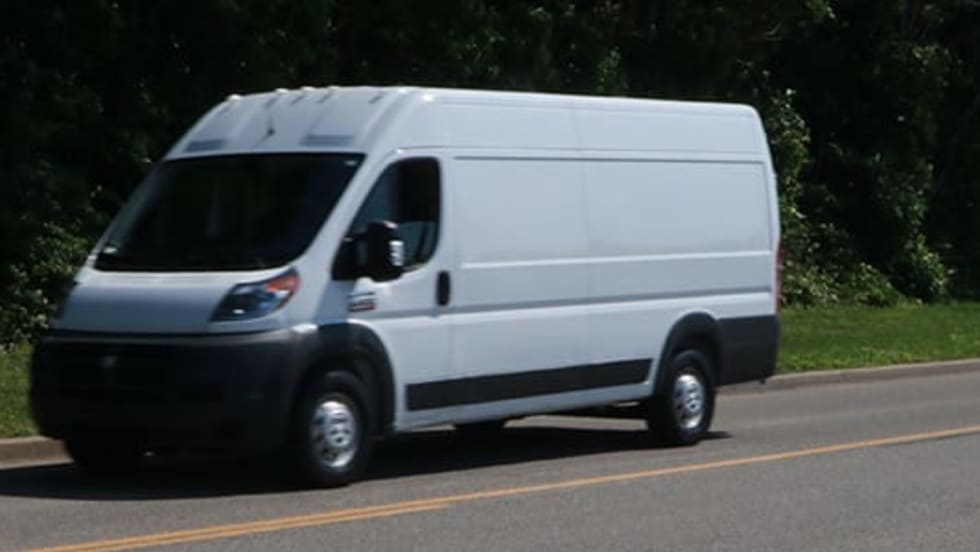
Fleet downtime costs money. JASPER helps keep vehicles on the road with quality remanufactured components, fast nationwide delivery, and reliable solutions that boost uptime and profitability.
Read More →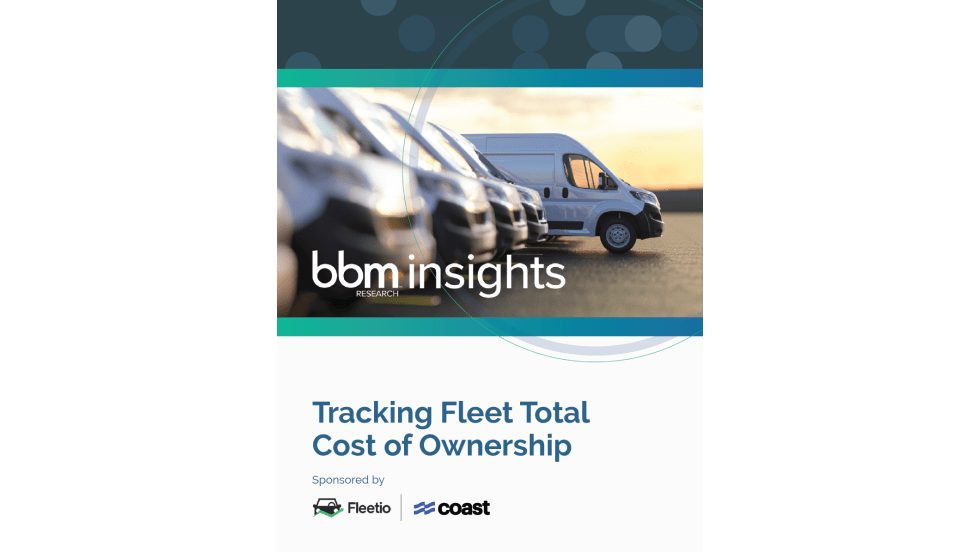
Are You Tracking Your Fleet's True Total Cost of Ownership?
Bobit Business Media surveyed 190 fleet professionals and found that while most fleets are tracking costs, fragmented systems and data gaps are keeping true TCO visibility out of reach. With rising pressure to control spend in an increasingly volatile environment, the gap between what fleets think they know and what the data actually shows is wider than you might expect. See how your peers are managing costs today and where the industry still has room to improve.
Read More →
Minneapolis Fire Department Prepares to Add Three New Pierce Enforcer Pumpers to Front-Line Fleet
The order, secured through Pierce dealer MacQueen, marks the department’s move from commercial chassis pumpers to Pierce custom fire apparatus designed to meet the operational demands of Minnesota’s largest city.
Read More →
The Human Side of Fleet Leadership: Lessons from Larry Campbell
As public fleets navigate rapid change through AI, telematics, and increasing operational pressures, Larry Campbell believes the fundamentals of leadership matter more than ever. The longtime fleet leader reflects on accountability, integrity, and why earning trust remains the foundation of a successful fleet operation.
Read More →
Turn Fleet Data Into Smarter Decisions
Fleet leaders have access to more operational data than ever, but disconnected systems and unclear metrics often slow decision-making instead of improving it. This article outlines five practical steps fleets can take to transform fragmented data into actionable insights that improve planning, safety, utilization, and long-term performance.
Read More →
RoadFlex Brings Fleet Spend Management to the Field with Mobile App for Drivers, Fleet Managers
Through the RoadFlex mobile app, drivers can access their assigned cards, view recent transaction activity, and upload receipts directly from their mobile devices.
Read More →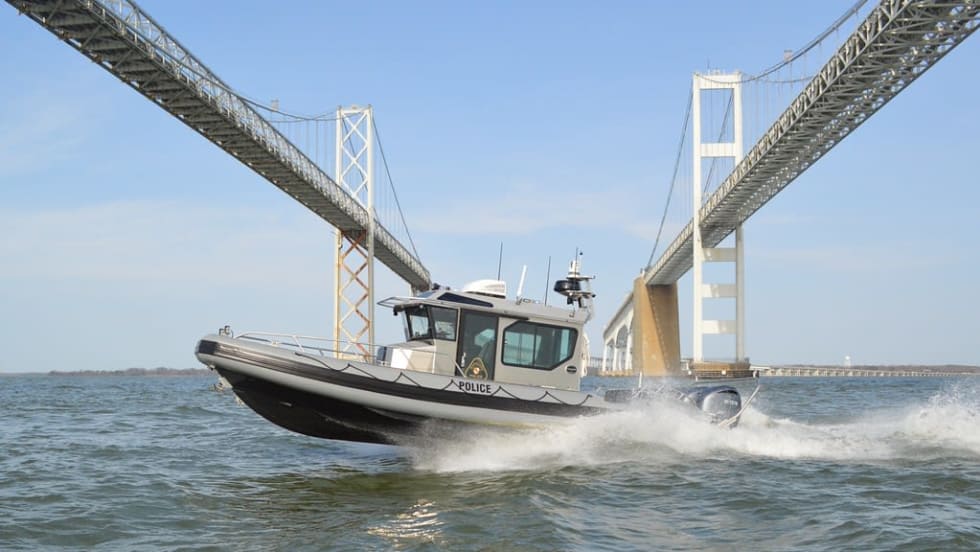
Maryland Natural Resources Police Adds 31-Foot Patrol Boat to Enforcement Fleet
A new addition to Maryland’s marine enforcement fleet is bringing expanded capabilities to Chesapeake Bay operations while honoring a legacy within the agency. The high-performance patrol vessel reflects how law enforcement fleets are adapting to growing demands on the water.
Read More →