




Grant Allows Santa Ana to Install Emission Reduction Devices & Purchase Propane Autogas Vehicles
The Mobile Source Air Pollution Reduction Review Committee (MSRC) awarded a total of $265,000 in Clean Transportation Funding to the City of Santa Ana, Calif.; $55,000 was allotted for the installation of emission control devices, while the remaining $210,000 is reserved for the purchase of seven propane autogas-powered trucks.
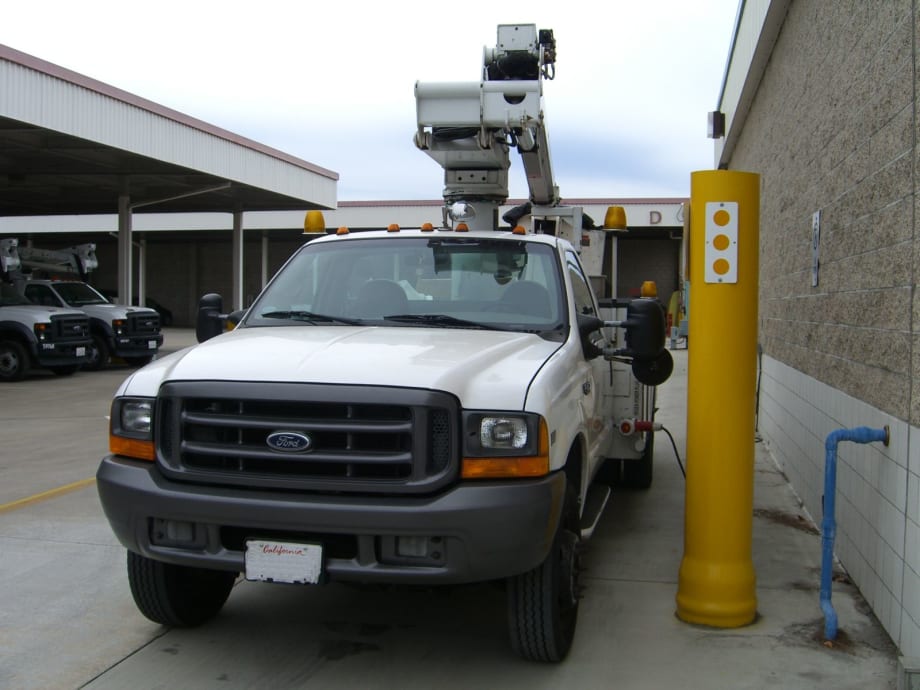
Pictured is one of the trucks equipped with a diesel particulate filter. Photo courtesy of the City of Santa Ana.
Pictured is one of the trucks equipped with a diesel particulate filter. Photo courtesy of the City of Santa Ana.
The City of Santa Ana, Calif., with the help of $55,000 in funding from the Mobile Source Air Pollution Reduction Review Committee (MSRC) Local Government Match Program, has recently completed the installation of emission control devices - diesel particulate filters (DPFs) - on six of its heavy-duty diesel vehicles. The retrofitting project is a continuation of the efforts of the MSRC and the City to improve air quality in the region through clean transportation initiatives, according to a release.
The six heavy-duty diesel vehicles, including water, cement, and dump trucks are essential for daily operations in the community. After careful consideration, it was determined that replacing the trucks with alternative vehicles would not be a practical option for the City. In order to reduce harmful toxins from the trucks’ exhaust, after-treatment devices verified to California Air Resources Board (CARB) Level 3 were installed on the trucks. Level 3 technology achieves an 85% reduction in particulate matter. Using this conventional strategy, Santa Ana is reducing emissions and purifying the air.
The MSRC awarded a total of $265,000 in Clean Transportation Funding to the City; $55,000 was allotted for the installation of the emission reduction devices, while the remaining $210,000 is reserved for the purchase of seven propane-autogas-powered Ford F-550 trucks. One liquefied petroleum gas (LPG) truck has been ordered and is expected to be delivered and in full operation by early February.
These two environmental transportation projects are part of the Green Facilities, Fleet Management and Central Stores Strategic Plan that is designed to transform 75 to 80% of the City’s fleet of more than 900 vehicles into a line-up of cars, trucks, and equipment powered by sustainable and renewable energy sources. The comprehensive plan integrates alternative and conventional environmental transportation technologies to achieve its aggressive goals.
With the generous support of the MSRC, the City of Santa Ana is able to implement strategies that will cut fuel costs, improve air quality, and benefit the welfare of residents in the southern region of California. For more information on the mission and projects of the MSRC, please go to www.CleanTransportationFunding.org.
More Green Fleet
Sustainability Partners, Energy Systems Group Help Albuquerque Close the Gap on its 100% Renewable Energy Goal
The eight-site, 6 MW solar project has advanced the city toward 100% renewable energy for municipal operations.
Read More →
Port Authority and CALSTART Launch $45 Million Electric Truck and Charging Programs
The programs aim to boost sustainable operations across the East Coast's busiest seaport.
Read More →
Moving Government Fleets Beyond the Vehicle Purchase: EV as a Service
A discussion on how EVaaS is moving beyond pilot programs and what fleets should consider before beginning a larger deployment.
Read More →
Moving Government Fleets Beyond the Vehicle Purchase: EV as a Service
As fleets move beyond small EV pilots, Sustainability Partners CEO Adam Cain explains how EVaaS can address the infrastructure and long-term planning required for larger deployments.
Read More →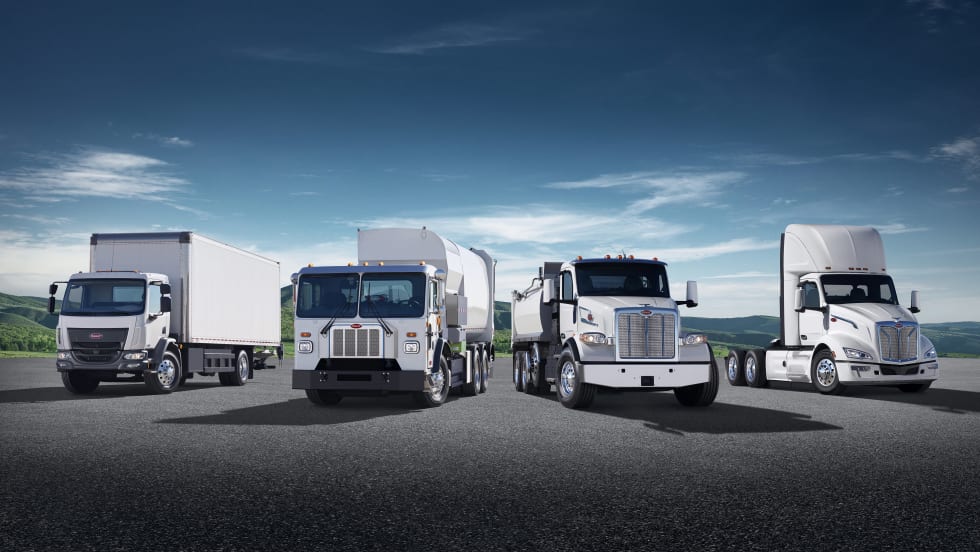
Peterbilt Expands Sourcewell Partnership with Electric Vehicle Lineup
The agreement aims to provide streamlined procurement of Peterbilt trucks for government, education, nonprofit and tribal organizations across the United States and Canada.
Read More →
EV Adoption & Charging Challenges
Where is your fleet in the journey of vehicle electrification? If you're still looking for answers to fleet electrification you've come to the right place.
Read More →
Hawaii Passes Clean Fuel Policy
Hawaii lawmakers passed clean fuel legislation that could support renewable natural gas production, biogas-powered transportation, and lower-carbon fueling options for public and commercial fleets.
Read More →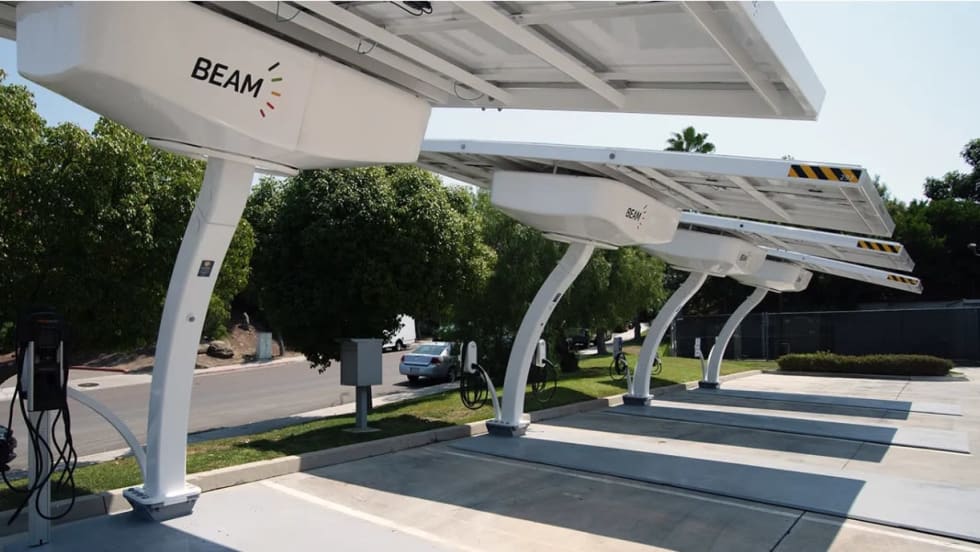
Stanislaus County Deploys Ten Beam Global EV ARC Systems to Support County Fleet Electrification
Stanislaus County deployed 10 off-grid solar-powered EV charging systems and a mobile charging trailer from Beam Global to support its electric fleet operations and emergency response flexibility.
Read More →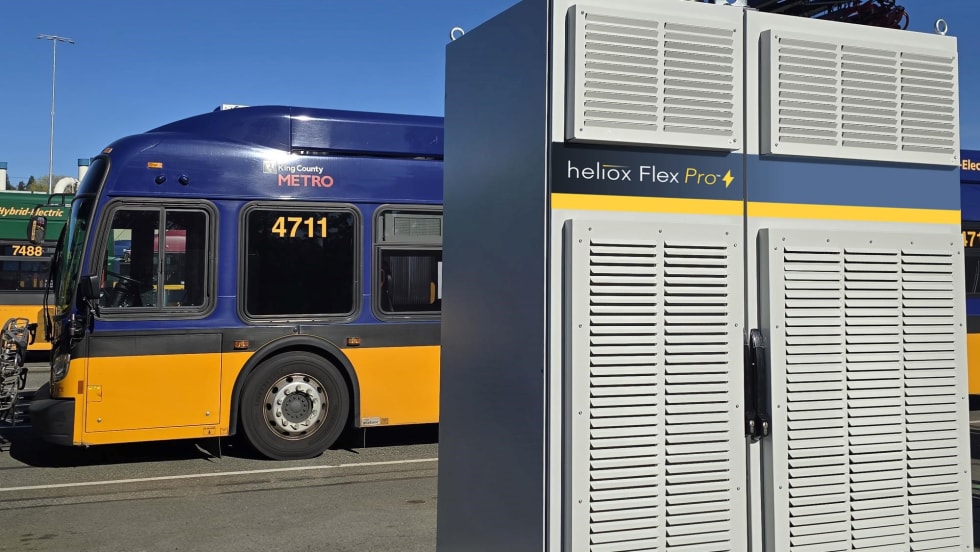
Heliox Pilots 480-kW Bus Charger with King County Metro
King County Metro is piloting Heliox’s new 480-kW Flex Pro charger to support expansion of its battery-electric bus fleet and depot charging infrastructure. The compact charging system supports pantograph and plug-in charging configurations for high-density transit operations.
Read More →