




North Carolina Agencies Work to Cut Fleet Costs
RALEIGH, NC - Some North Carolina agencies have changed their procedures to reduce how much they're spending on state-owned cars each month.
RALEIGH, NC - Some North Carolina agencies have changed their procedures to reduce how much they're spending on state-owned cars each month, according to WRAL.
Agencies lease vehicles from the state Division of Motor Fleet Management, which is funded solely by fees collected on the vehicles. By law, the division charges for a monthly minimum of 1,050 miles on each vehicle to cover maintenance, insurance, and gas for more than 8,500 state-owned vehicles.
If vehicles are driven more than 1,050 miles in a month, the agency must pay extra. If cars travel less than 1,050 miles, agencies must still pay the minimum rate, reported WRAL.
According to WRAL, the unused miles added up over the past 18 months, when Gov. Beverly Perdue and former Gov. Mike Easley ordered agencies to cut travel spending because of a record budget shortfall.
From July 2008 to last June, for example, records show the state Department of Correction spent $1.7 million on parked cars. Department officials said Jan 22 that they recently returned three cars to the Division of Motor Fleet Management to save money.
North Carolina State University turned in 10 cars, and the University of North Carolina at Chapel Hill turned in nine to cut their costs as well, officials said, WRAL reported.
More than half of the state Department of Health and Human Services (DHHS) vehicles were driven under the minimum mileage, costing the agency more than $1 million during the fiscal year that ended last June, records show.
DHHS officials said employees are sharing vehicles more and managing the miles better. The department cut $200,000 on its vehicle costs between July and December, compared with the same period a year ago, officials said.
Perdue's budget reform committee is expected to suggest more changes to the state motor fleet operations at its next meeting in either late February or early March, reported WRAL.
More Operations
What Can Disappear After a Fleet Crash?
This week, we look at drone footage, what fleets should document before repairs begin, and share a quick poll.
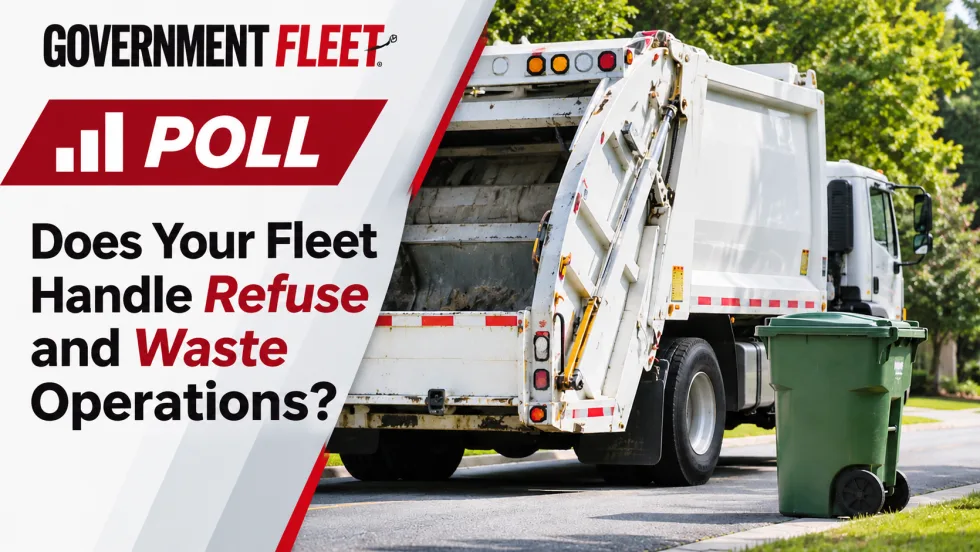
Does Your Government Fleet Handle Refuse and Waste Operations? Take Our Poll
Government Fleet wants to hear from public-sector fleet professionals about their responsibilities for refuse collection and waste management equipment.
Fleet Replacement Decisions, Waste Fleet Technology and the GFX Deadline
Is your next vehicle the right fit, can your records settle a missed pickup dispute, and what could your fleet teach others at GFX 2027?
Is Delaying Fleet Replacement Really Saving Money?
Could delaying replacement cost your fleet more than it saves? This week’s recap takes a closer look, plus an update on GFX 2027.

What Government Fleets Are Missing About Their True Costs
What are fleet budgets missing, and how can agencies use the data they already collect to make a stronger case for change?
Rethinking Fleet Decisions From the Budget Office to the Shop
This October we looked back at how public fleets are reconsidering familiar processes and using what they learn to make better decisions.
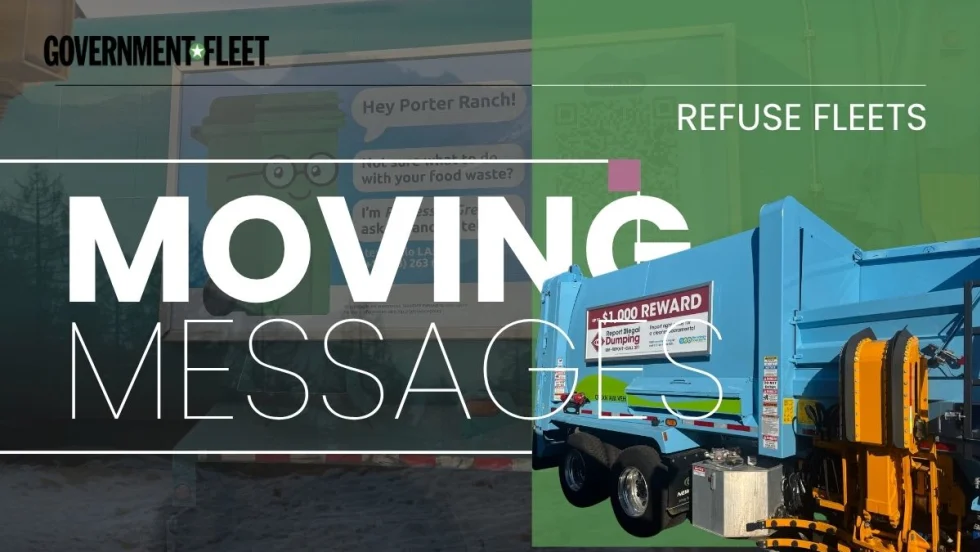
Who Owns the Message on a Refuse Truck?
Refuse trucks can carry public messages into neighborhoods, but keeping those messages current takes planning and clear responsibility.
Who Deserves Fleet Recognition and What Could You Teach at GFX?
Who helped shape your fleet career, and what have you learned that could help someone else?

What’s Haunting Public Sector Fleets?
Public sector fleet challenges rarely happen in isolation, and addressing one often means understanding how it connects to another.
Is Keeping Older Fleet Vehicles Really Saving Money?
Is keeping vehicles longer saving money, and what happens when a diagnostic test points to the wrong fix?