




California Highway Patrol Shifting to Ford P.I. Utility for Patrol
SACRAMENTO, CA - The P.I. Utility was the only vehicle that met the agency's specifications for payload capacity and provides versatility in handling a variety of missions including traffic enforcement, event security, and facility protection, state officials said.
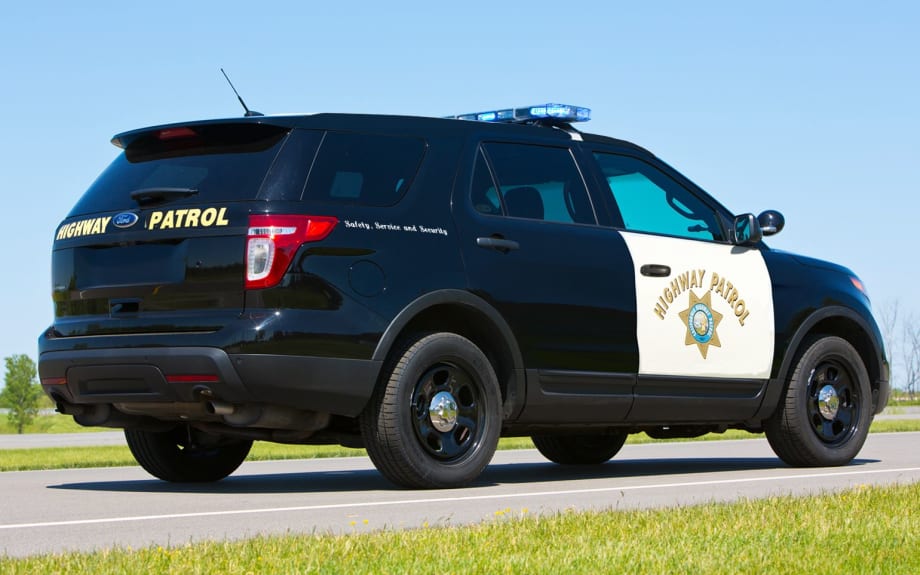
Ford's Police Interceptor Utility. Photo courtesy: California Highway Parol.
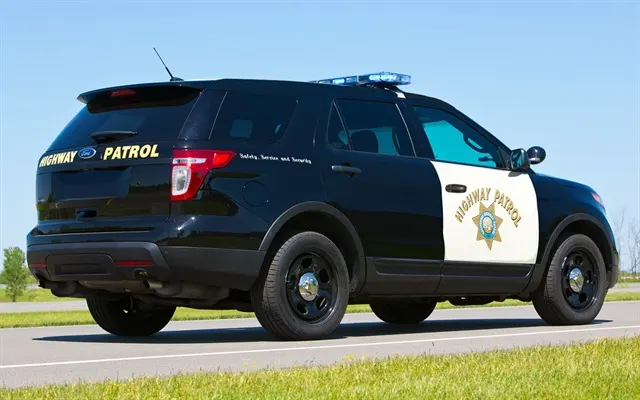
Ford's Police Interceptor Utility. Photo courtesy: California Highway Parol.
SACRAMENTO, CA - The California Highway Patrol will shift to Ford's Police Interceptor Utility SUV as its primary patrol vehicle when it begins replacing aging Crown Vics in its fleet.
The P.I. Utility was the only vehicle that met the agency's specifications for payload capacity and provides versatility in handling a variety of missions including traffic enforcement, event security, and facility protection, state officials said.
Assistant Chief Erik Knudsen told the Los Angeles Times the agency preferred the P.I. Utility over the crop of new patrol cars because "the design of the new sedans is becoming smaller and lighter."
The state agreed to purchase the new enforcement vehicles from Folsom Lake Ford. The contract allows for the purchase of P.I. Utility SUVs for $26,578 and Ford P.I. sedans for $23,242. The state's Department of General Services will acquire the vehicles.
The all-wheel-drive P.I. Utility, which also arrives in a front-wheel version, has a payload capacity of 1,500 pounds. The gross vehicle weight rating (GVWR) of the P.I. Utility is 6,300 pounds, which measures its curb weight plus maximum payload. Curb weight in 4,630 pounds.
"The CHP does need payload capacity of 1,500 pounds," said Eric Lamoureux, general services spokesman. "The sedan doesn't meet the capacity."
The sedan has a GVWR of 5,700 pounds and a curb weight of 4,310 pounds.
The department plans to begin purchasing the vehicles in October after testing four vehicles and completing a fleet utilization study. Gov. Jerry Brown has instructed state departments to eliminate under-utilized vehicles from the fleet as a cost-saving initiative. As a result, some officers may lose take-home vehicles, especially if they aren't using them for enforcement.
The dealer agreed to deliver two P.I. sedans and two SUVs for the CHP's own regimen of testing that includes a five-mile high-speed run (at 125 mph); 90-0 mph braking; and a timed road course.
The agency typically replaces about a third of its 4,000-vehicle fleet each year. The agency's marked enforcement units include 2,300 sedans and 140 all-terrain vehicles.
By Paul Clinton
More Operations

Emergency Response, Fleet Sales and New Technology
This week’s fleet news covers emergency preparedness, shifting vehicle sales, electric truck investments, and new tools for monitoring road conditions.
Read More →
NCDOT Adds Dash Cam Imagery to Statewide Traffic Monitoring
North Carolina transportation officials are adding another set of eyes to roads that aren't covered by fixed traffic cameras. A statewide deployment gives NCDOT access to on-vehicle imagery to verify conditions during work zones, severe weather, emergencies, and other traffic events.
Read More →
Turning a Bottleneck Into a Blueprint: How Tallahassee Rethought Police Fleet Readiness
For Tallahassee, finally receiving 87 delayed police cruisers created a new problem: how to get them on the road without creating a massive backlog. The solution would change more than the upfit process.
Read More →
AI, Police Fleet Readiness and Fire Apparatus News
See how AI, a reworked police-vehicle upfitting process, and a fire apparatus acquisition could affect public fleet operations.
Read More →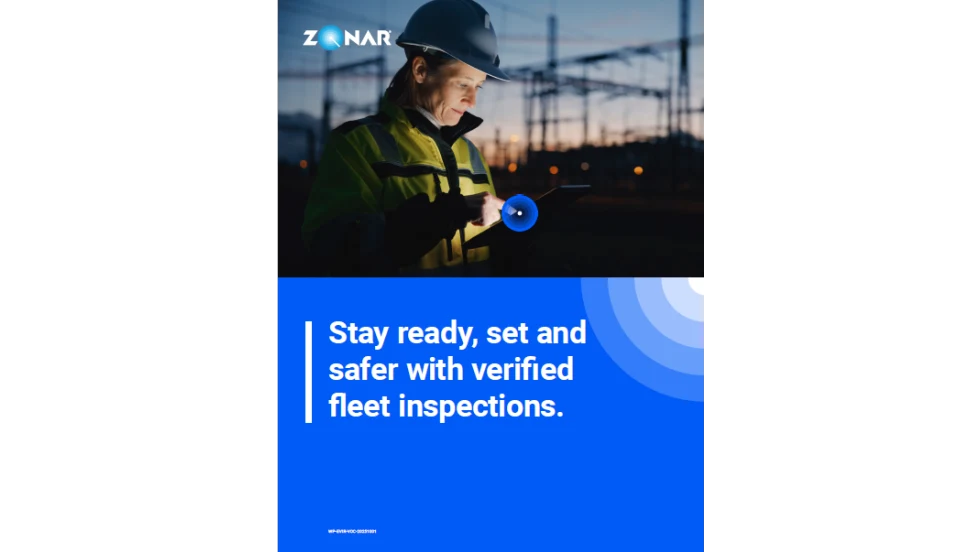
Stay ready, set and safer with verified fleet inspections.
When fleet inspections aren’t verifiable, missed defects can quickly become downtime, safety risks, and service delays. This white paper shows government and municipal fleet leaders how digital inspections can improve accountability, catch issues earlier, and keep vehicles ready when they’re needed most.
Read More →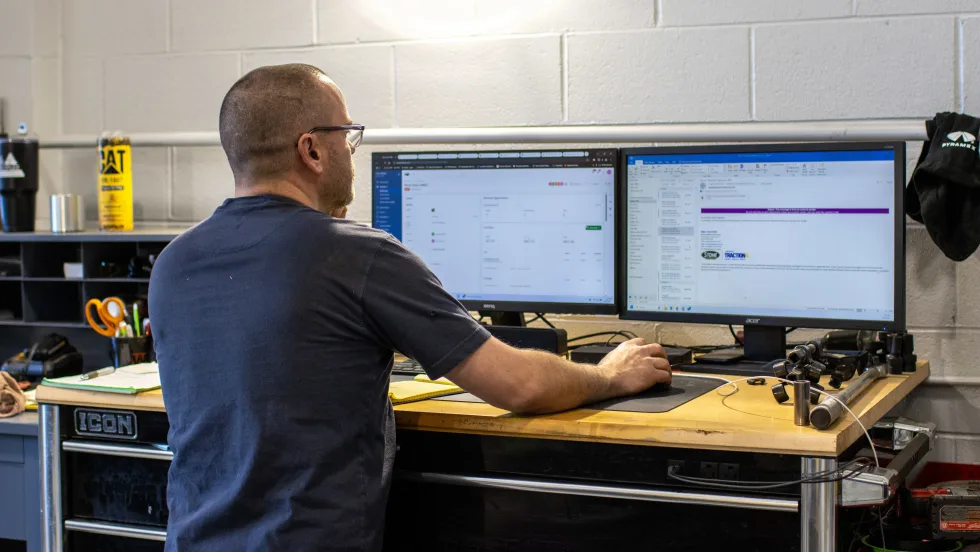
How AI and Automation Work Together to Reduce Government Fleet Downtime
As their assets age and their budgets’ purchasing power shrinks, government fleet managers are facing growing pressure to do more with less.
Read More →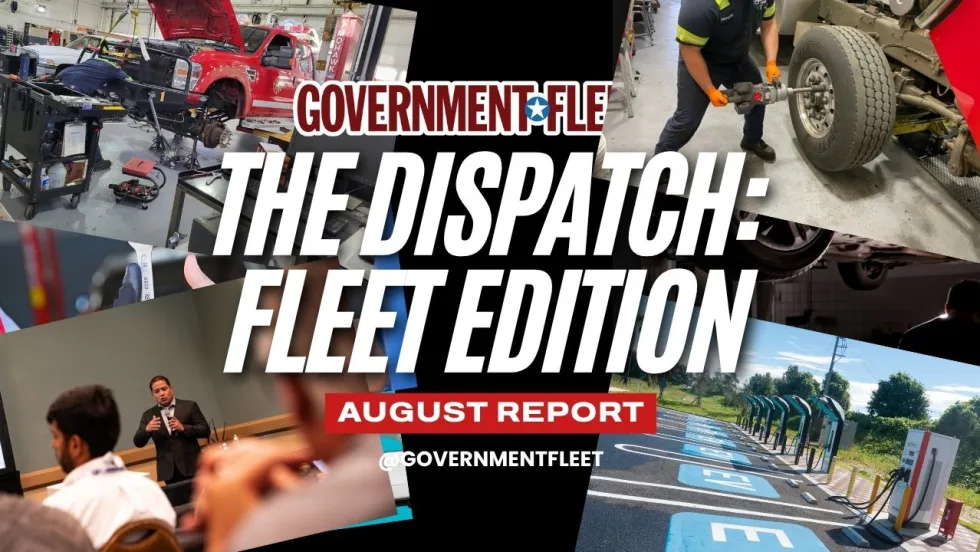
Police Fleet Innovation, EV Strategy and AI
See how public fleets are rethinking police vehicle readiness, electrification, workplace culture, and driver workflows.
Read More →
From What He Inherited to What He’ll Leave Behind: David Renschler’s Lessons in Leadership
David Renschler walked into Fairfield with plenty to learn and no idea what awaited him. Twenty years later, the lessons from what came next are still shaping his approach to fleet.
Read More →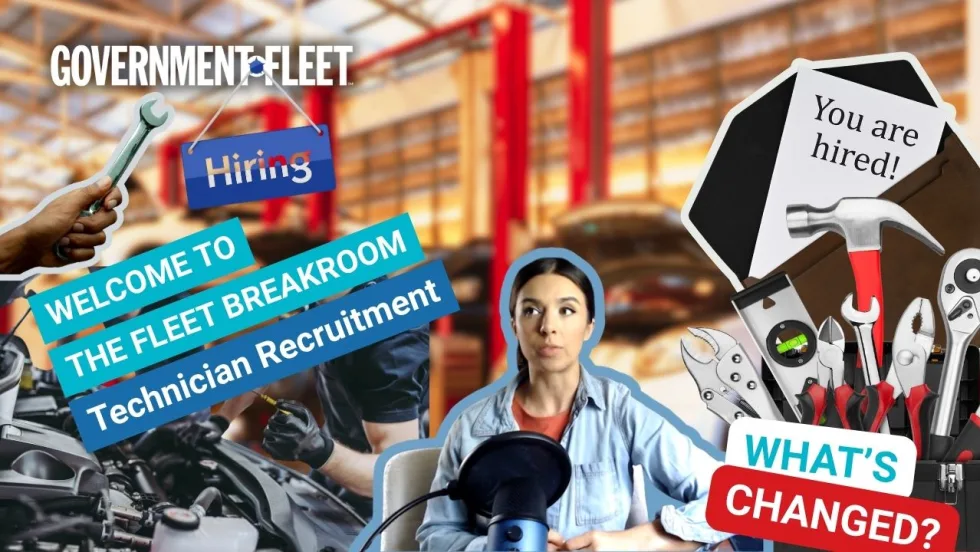
Have Fleets Changed Enough to Solve the Technician Shortage?
Are government fleets finally closing the gap on the technician shortage, or are critical challenges still holding them back?
Read More →
How Public Fleets Are Rethinking Vehicles, EVs, and Culture
From mission-specific vehicles to EV planning and culture change, this week’s stories show how public fleets are rethinking the way they operate.
Read More →