




Federal GSA Considers Car Sharing
The federal General Services Administration (GSA) is looking to incorporate car sharing government-wide in order to reduce the federal fleet size over time. This initiative includes the launch of a car-sharing pilot program in Washington, D.C.; Boston; New York City; and Chicago.

Logo via GSA.

Logo via GSA.
The federal General Services Agency (GSA) is actively pursuing car-sharing initiatives to help federal agencies reduce costs, improve efficiencies, and optimize vehicle use.
On Nov. 5, the agency issued a request for information seeking innovative ideas from commercial vendors that could help the federal government incorporate car sharing government-wide and reduce the federal fleet over time. GSA will also launch a car-sharing pilot program in Washington, D.C.; Boston; New York City; and Chicago to immediately explore best practices and test how the government can effectively integrate low-cost alternative transportation services.
GSA anticipates that the demand for car sharing in the federal government will increase due to budget constraints and the need to find efficiencies and savings in government operations.
"GSA manages one of the largest federal fleets in the U.S. government. This common-sense approach will help agencies focus their limited resources on their critical mission, rather than fleet services," said Tom Sharpe of GSA's federal acquisition services. "We will be able to test whether it is more cost-effective and beneficial to use a car-sharing service in lieu of taxi cabs, renting, leasing, and/or purchasing a vehicle."
GSA manages more than 200,000 vehicles, one of the largest non-tactical federal fleets in the U.S. government.
More Operations

Could Your Next Fleet Technician Start as an Intern?
What if your next technician hasn’t worked in a fleet shop yet? What fleets are doing to free up time.
Read More →
What’s Slowing Your Fleet Down?
Could a change in how work gets done help your fleet return vehicles to service sooner?
Read More →
Can Public Fleets Trust the Data Driving Their Decisions?
Public fleets have more data than ever, but inconsistent records and missing information can still undermine maintenance, replacement, and cost decisions.
Read More →
How Phoenix Is Building Its Next Generation of Fleet Technicians
With more than 8,000 vehicles and pieces of equipment to maintain, the City of Phoenix could not afford to wait for fully trained technicians to walk through the door. Instead, they revamped their entire workforce strategy and showed how public fleets can create their own talent pipeline while preparing existing employees for increasingly complex vehicles.
Read More →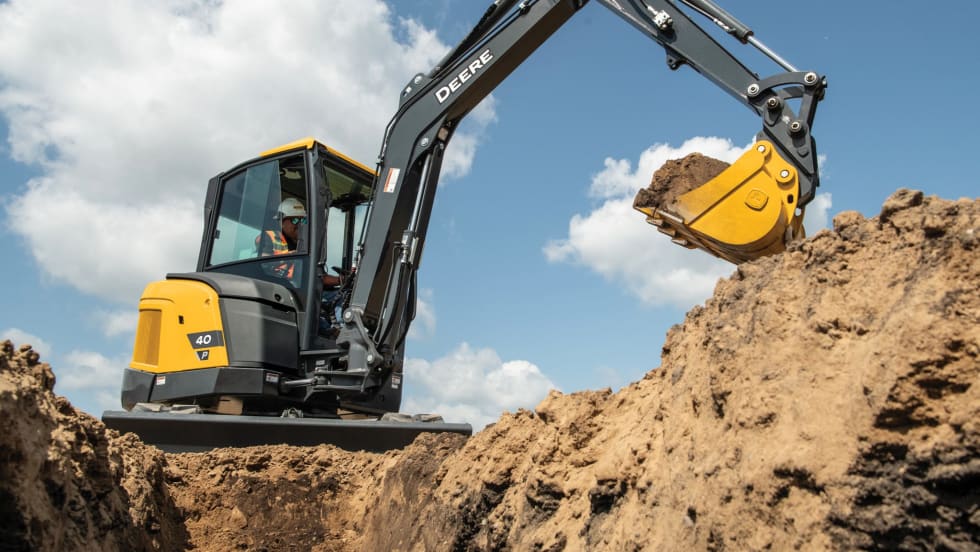
John Deere Introduces 40 P-Tier Compact Excavator
John Deere is adding a compact excavator designed for crews that need to move equipment between jobsites and handle multiple types of work with one machine. The 40 P-Tier weighs less than 10,000 pounds and offers configurable hydraulics, attachment options, and connected fleet-management capabilities.
Read More →
How Leading Fleets Improve and Why Business Plans Matter
This week, we look at what past Leading Fleet winners can teach us about making progress, plus how to build a business plan your fleet will actually use.
Read More →
Nominate a Fleet Leader for the 2027 Public Fleet Hall of Fame
Do you know a fleet leader who has made a lasting impact on the industry? Nominate this fleet professional for the 2027 Public Fleet Hall of Fame.
Read More →
Why Fleet Business Plans Need Three Perspectives
A fleet business plan should help agency leaders understand the fleet’s value, give the organization a clear direction, and establish shared expectations with customer departments.
Read More →
How Oil Analysis, Safety Technology, and Fleet Awards Drive Improvement
What happens when fleets let measured results guide their next decision?
Read More →
Emergency Response, Fleet Sales and New Technology
This week’s fleet news covers emergency preparedness, shifting vehicle sales, electric truck investments, and new tools for monitoring road conditions.
Read More →