




Ala. City Implements In-Vehicle Video Safety System
The city of Mobile, Ala., has been using the Lytx DriveCam program to recognize its safest drivers and best training coaches, while also helping reduce the risky driving behaviors that lead to collisions among the employees who drive city vehicles.
The city of Mobile, Ala., has been using the Lytx DriveCam program to recognize its safest drivers and best training coaches, while also helping reduce the risky driving behaviors that lead to collisions among the employees who drive city vehicles, according to the company.
The program has identified safe-driving employees based on analytics and results over a six-month time period. Recently, the City of Mobile held two recognition events acknowledging the achievements of its highest performing drivers, each presented with a Safe Driving or Most Improved award.
"The DriveCam Program Review shows that we're improving at a faster rate than our peers, especially over the past six months, and that's generated some really amazing drivers," said Gary Gamble, safety manager for the City of Mobile. "Creating a safer fleet of drivers isn't a problem to be solved, but rather it's a way of operating. The challenges and distractions our drivers face are always changing, so we make safe driving a priority every day."
In all, 37 drivers from the Solid Waste, Trash, Public Buildings, Parks, and Fire departments showed exemplary performance in the Lytx DriveCam program during that six months, experiencing no risky or coachable behaviors while driving city-owned vehicles. These employees were recognized by the city for their achievements, along with six training coaches who were given Best Coach awards.
The Lytx DriveCam safety program is a comprehensive solution that combines video capture of road incidents such as hard braking or sudden swerving, data analysis of those incidents, and personalized coaching insights to improve driving behavior to help prevent those incidents. The net result is reductions of collision-related costs by up to 80%. This improves overall safety not only for city employees, but for the citizens of Mobile, as well.
A recent 15-month DriveCam Program Review for the City of Mobile revealed that the DriveCam program has helped reduce risky driving behaviors by 39%. As a result, the city has reduced its near-collisions by 50%. Reducing near-collisions is important because Lytx data shows that drivers with an avoidable near-collision incident can have an increased risk of being involved in a future collision.
"Safety is clearly a core value for the City of Mobile," said Rush Akin, Lytx government sales director. "They're an example of how Lytx collaborates with cities to leverage our data-driven insights, helping improve its employees' driving habits and delivering exceptional value to government fleets across the country."
More Safety

New York City Expands Safety Technologies Across Municipal Fleet
Executive Order 19 moves intelligent speed assistance and pedestrian alerts from pilot programs toward standard fleet equipment, offering other public fleets a look at how safety technology can be tested, measured, and scaled.
Read More →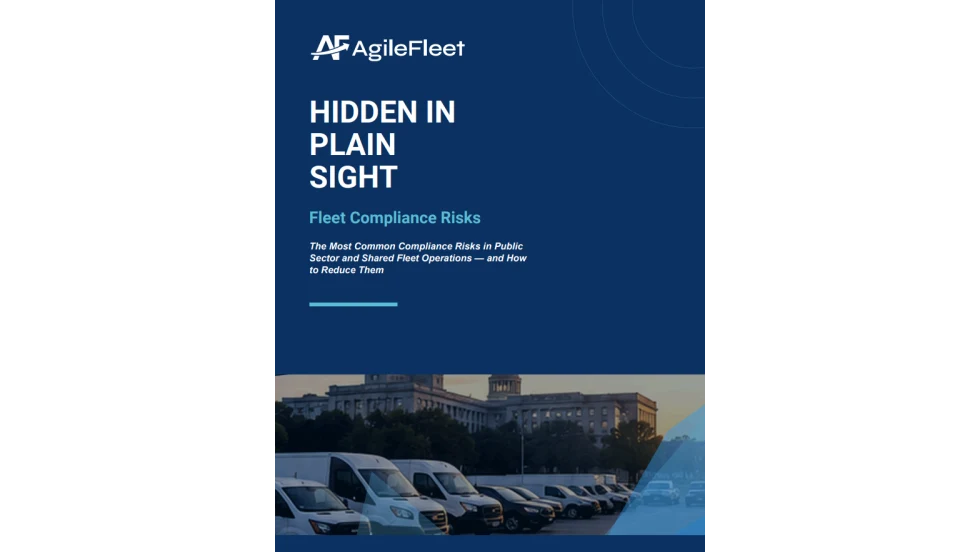
Hidden in Plain Sight: Fleet Compliance Risks
Fleet compliance isn't just about having policies — it's about consistently enforcing them. This practical guide reveals six hidden compliance risks common in public sector and shared fleet operations and outlines proven strategies to improve visibility, accountability, and audit readiness.
Read More →
5 Days Left to Submit Your 2026 Fleet Safety Award Nomination
Know a government fleet, safety, or risk manager who deserves recognition for making fleet operations safer? Nominations are open through Aug. 15.
Read More →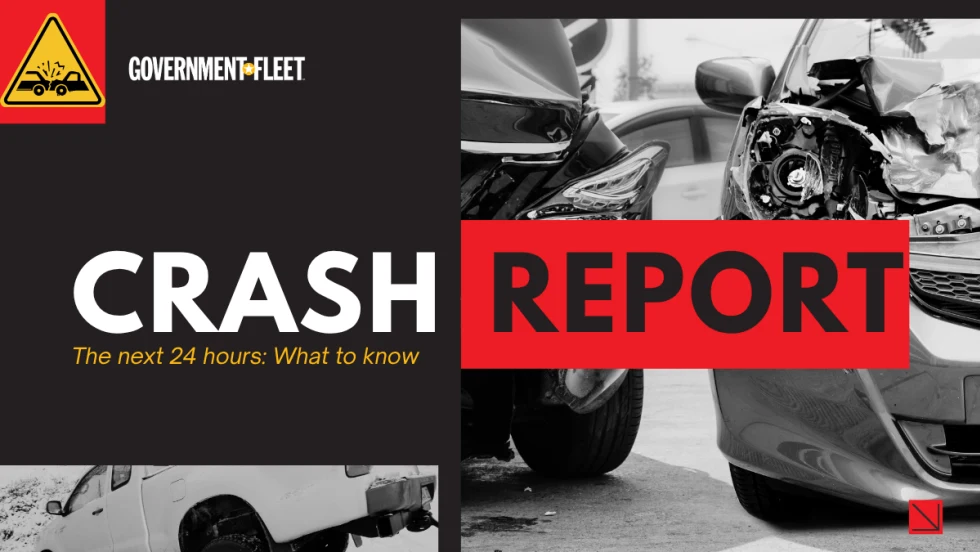
How the First 24 Hours Can Shape a Fleet Crash Response
How a strong accident response process helps government fleets move from the initial report to recovery while building a clearer record for what needs to change next.
Read More →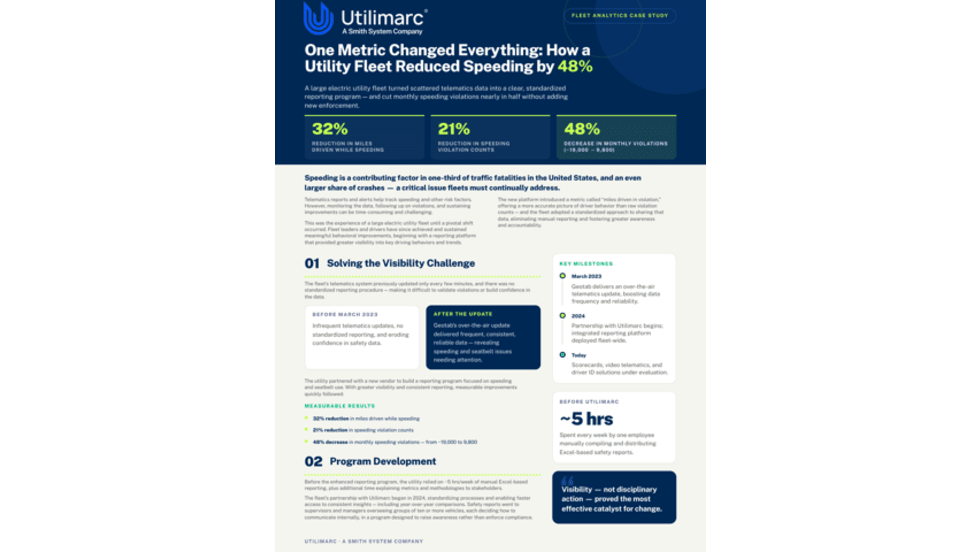
How Better Visibility Cut Speeding Violations by 48%
Fleet leaders don't need more data, they need clearer visibility into what the data is saying. This case study explores how one utility replaced speeding-event counts with a single metric — miles driven in violation — to strengthen safety and significantly reduce speeding violations.
Read More →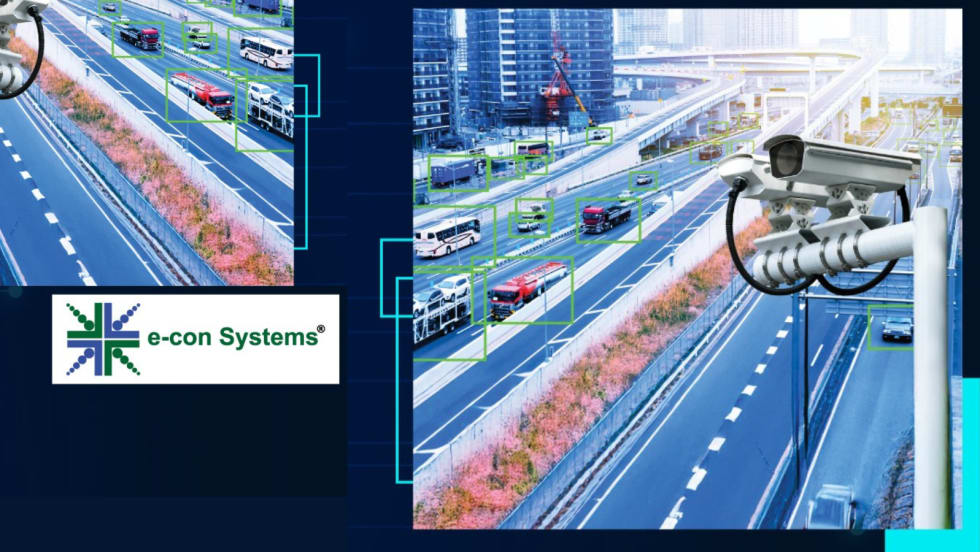
e-con Systems Expands AI Camera Tools for Traffic Monitoring
The systems support license plate recognition, traffic analytics, and video management for transportation agencies.
Read More →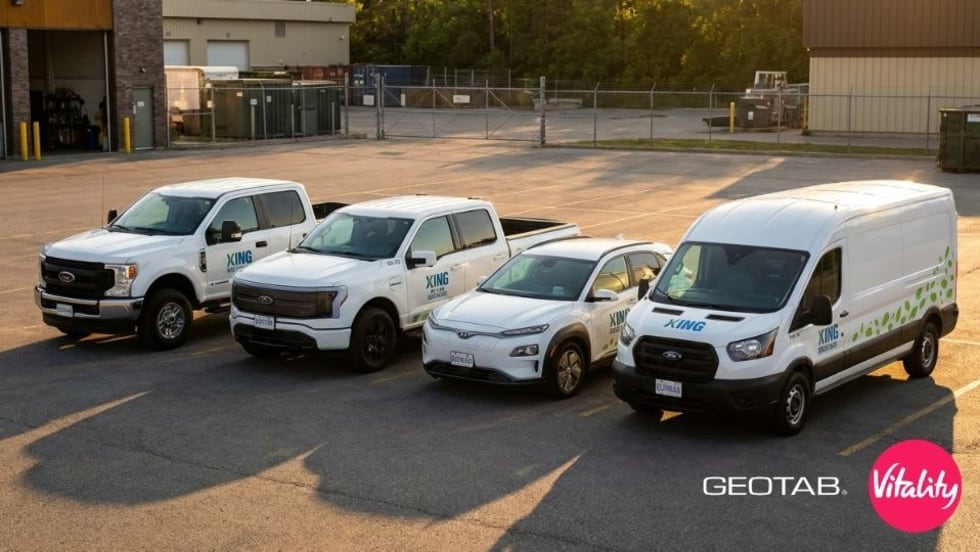
King Township Pilot Links Driver Feedback to Reduced Speeding
How King Township, a best-in-class municipal fleet, reduced speeding by 10.9% and demonstrated a projected 349% ROI by putting safety ownership directly in drivers' hands.
Read More →
Beyond the Fireline: The Critical Role of Public Fleets in Wildfire Response
Behind every wildfire response is a complex network of vehicles, data, and decisions that must work in sync under extreme pressure. Global heating trends require strong fleet coordination and reliable communications to keep crews safe and operations running smoothly.
Read More →
How AI Is Transforming Public Fleet Safety - Part 1
AI-powered safety systems are helping public fleets tackle distracted driving by delivering real-time coaching and measurable behavior change behind the wheel. In part one of our Q&A, Nauto CEO Stefan Heck explains how agencies can improve safety, reduce costs, and navigate implementation challenges with AI-driven technology.
Read More →
Reducing Risk and Improving Safety in Public Sector Fleets with Advanced Driver-Assist Technology
Public sector fleets face increasing pressure to improve safety, reduce liability, and operate efficiently. See how advanced vehicle technologies are helping agencies protect drivers, the public, and their budgets.
Read More →