




NYC's 2017 Vehicle Purchases Average 83 MPG
Driven by an investment in electric vehicles (EVs), fuel economy of new non-emergency light- and medium-duty vehicle purchases for the New York City fleet reached 83.7 mpg in fiscal-year 2017.

Photo via Pixabay.
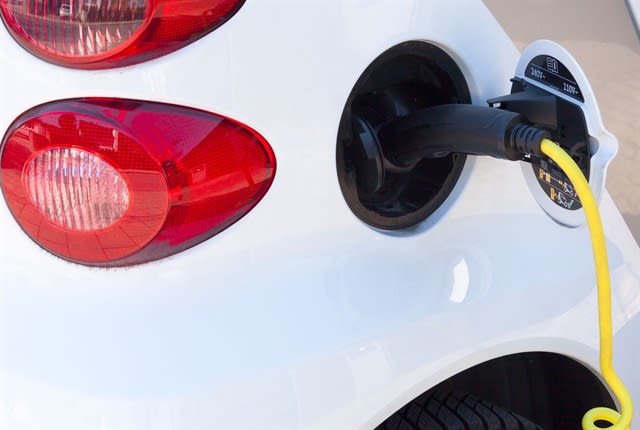
Photo via Pixabay.
Driven by an investment in electric vehicles (EVs), fuel economy of new non-emergency light- and medium-duty vehicle purchases for the New York City fleet reached 83.7 mpg in the 2017 fiscal year.
New York City has continued its efforts to move its fleet toward renewable fuels and electricity in fiscal-year 2017, achieving milestones in EV implementation, fuel economy, and biodiesel, the city’s Department of Citywide Administrative Services (DCAS) reported.
NYC surpassed its initial goal of having 1,000 EVs on the road by July, reaching 1,030 on-road battery-electric or plug-in hybrid units. The EVs are currently being used by 23 agencies throughout the city.
Fleet also expanded its EV charging network to 393 units, with more EVs and chargers to be used in FY-18. Reporting through the city’s ChargePoint network showed a 45% increase in electricity used for transport from FY-15 to FY-17.
FY-17 was also the city’s largest year in biodiesel, with 94% of all diesel fuel being blended with biodiesel. Fleet used a record 16 million gallons of blended biodiesel of 5%, 10%, or 20%, which was the equivalent of 2.1 million gallons of pure biodiesel.
In July, DCAS posted a public notice for a one-million gallon demonstration project for renewable diesel for the city fleet. DCAS plans to have this project launched by the end of 2017 focusing on Parks, the Department of Environmental Protection, the Department of Transportation, and the Department of Sanitation.
The city expects renewable diesel to help with greenhouse gas (GHG) reduction for truck operations without some of the cold weather, underground storage tanks, and warranty impacts that come with biodiesel.
The New York City fleet is continuing its charge to reduce GHG 50% by 2025.
More Procurement
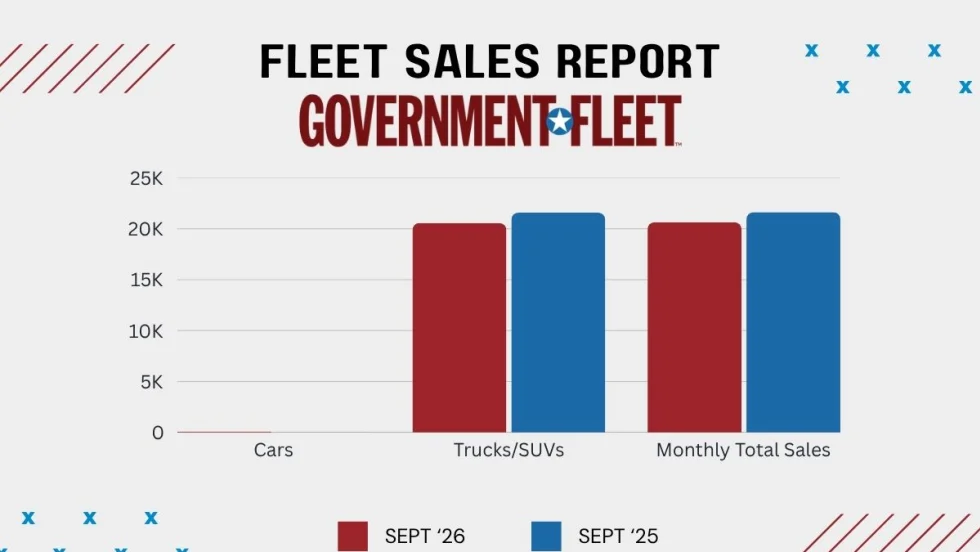
Government Fleet Car Sales More Than Double in September
Government fleet car sales rose 112.8% year over year in September, climbing from 39 to 83 units even as total monthly sales declined 4.5%.
Read More →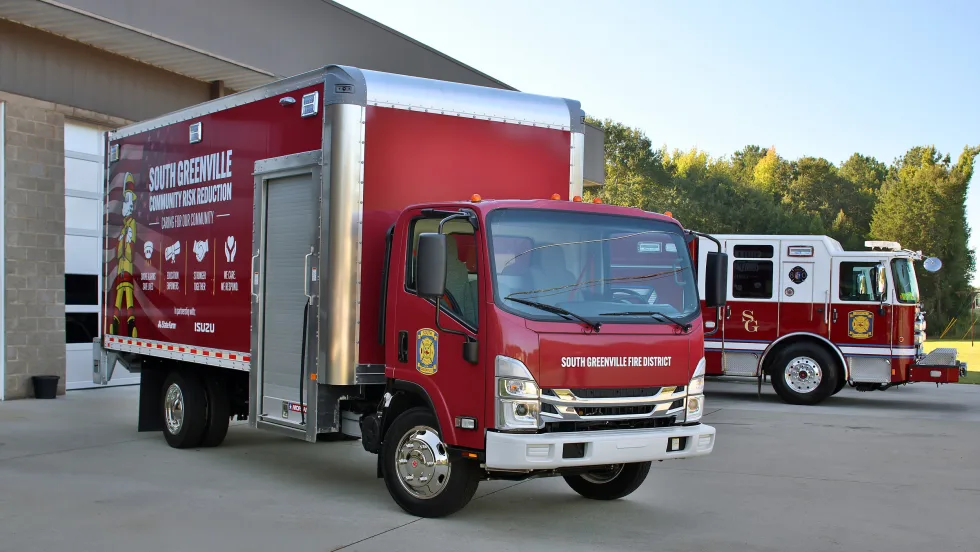
Isuzu Donates New N-SERIES NRR Truck to South Greenville Fire District to Support Community Outreach
Isuzu NRR equipped with Morgan truck body and PALFINGER liftgate will help support fire safety education, community engagement and outreach programs throughout Southern Greenville County.
Read More →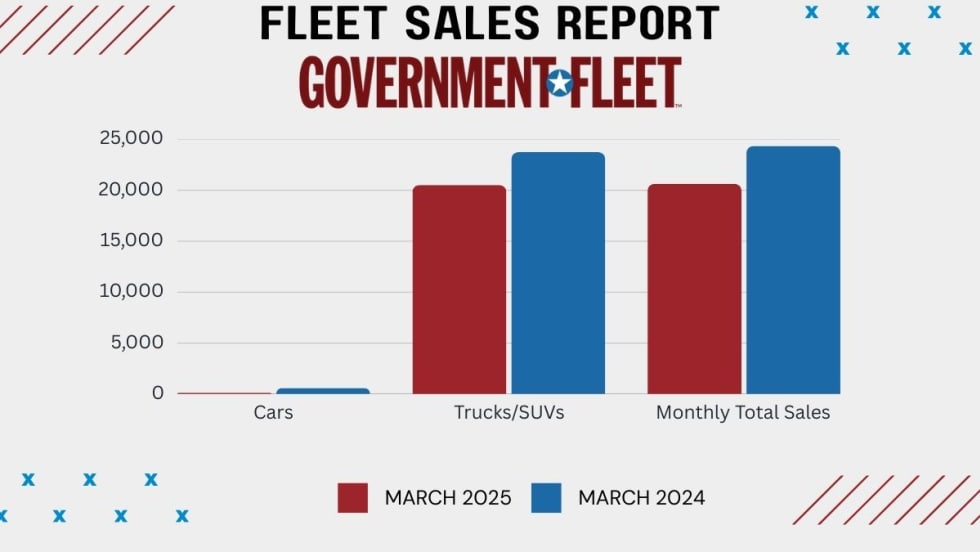
Government Vehicle Sales See Continued Growth from Beginning of Year
Government fleet sales rose from both January and February monthly totals, which were both under 20,000.
Read More →
Updated: Trump Signs Proclamation Imposing 25% Tariff on Auto Imports
A new proclamation signed by President Trump imposes a 25% tariff on imported passenger vehicles and key auto parts, citing national security concerns.
Read More →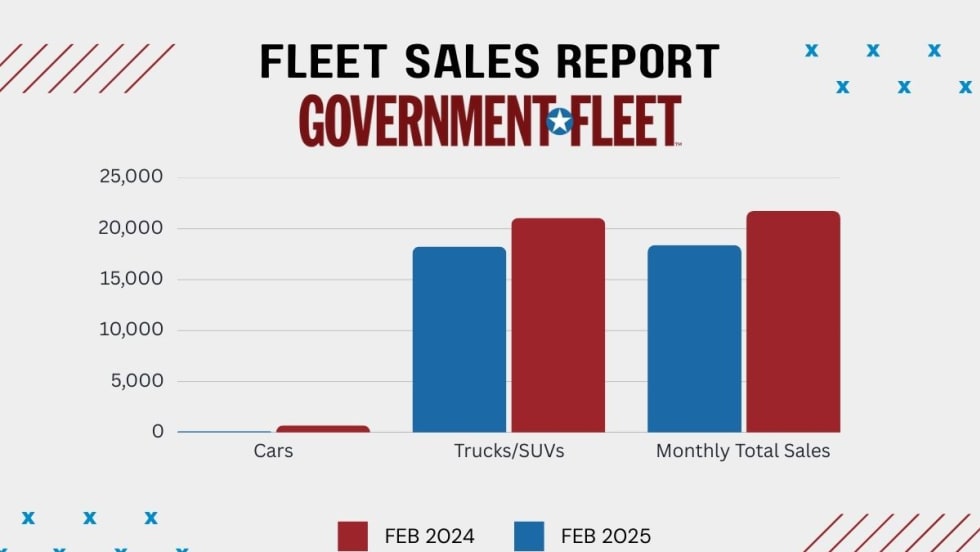
Government Vehicles Sales See Another Dip Compared to 2024
Government fleet sales last month came in at 18,383 vehicles, falling 15.4% from 21,737 in February 2024.
Read More →
Washington Municipality Adds Workhorse Electric Trucks to Fleet
The municipality will deploy two W4 CC electric work trucks for trash and recycling can switch-outs, enhancing the efficiency of its waste management services.
Read More →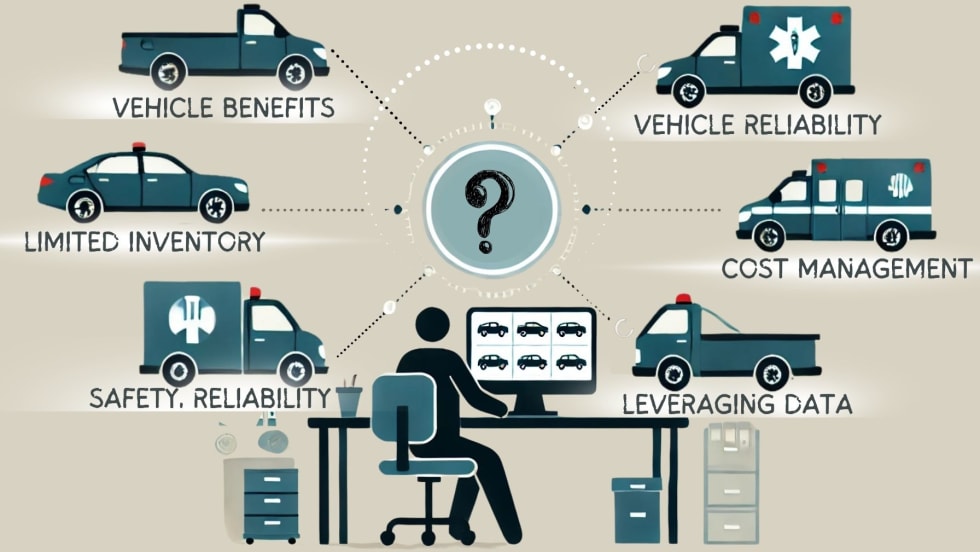
From the Archives: Changes in Fleet Acquisitions
When vehicles become harder to acquire, fleet managers must balance keeping vehicles on the road longer while managing the escalating operating costs of older vehicles.
Read More →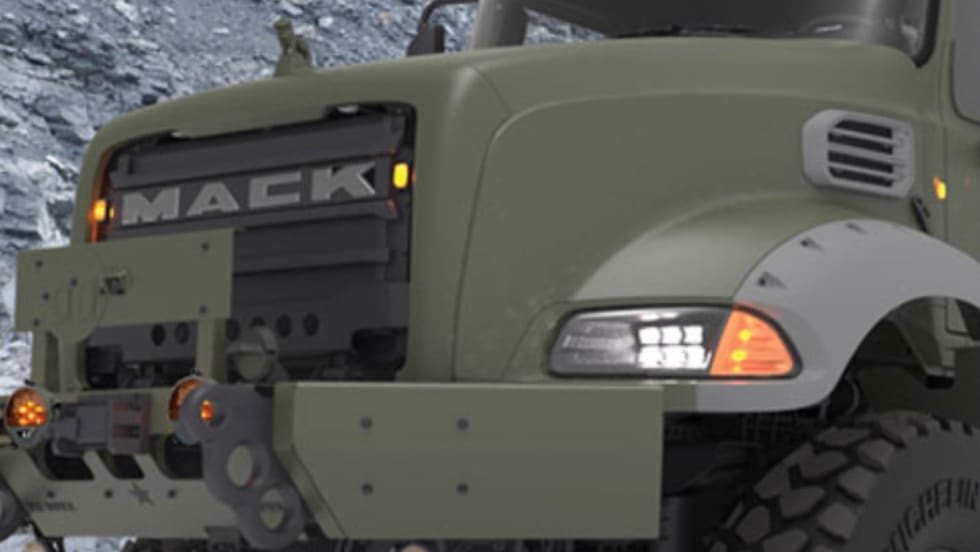
Mack Defense Awarded Contract By U.S. Marine Corps To Develop Medium Tactical Truck
The U.S. Marine Corps awarded Mack Defense a 12-month contract for the initial development of a new Medium Tactical Trucks (MTT) fleet.
Read More →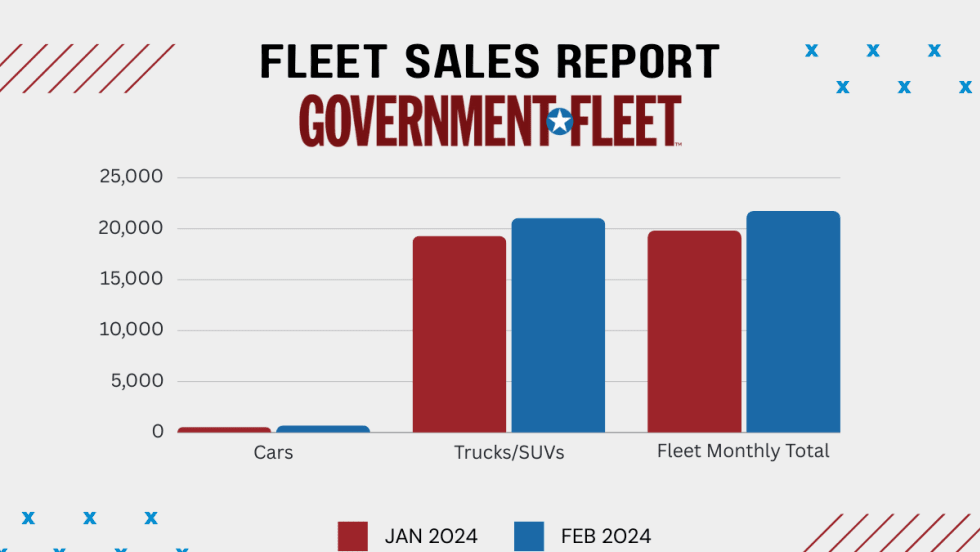
Government Vehicle Sales Rise from January to February
Government vehicle sales continue to rise into 2024 with both car and truck/SUV sales climbing between January and February of 2024, according to Bobit/Government Fleet sales data released March 2.
Read More →
How the UAW Strike Affected Government Fleet Orders from the Big 3
Government Fleet asked the Big 3 how their operations have been in the weeks since the UAW strike ended, with new contracts ratified. Plus, automakers address concerns about vehicle delivery delays.
Read More →