




Fed Agencies Lower Fleet Costs by $88M
Federal agencies reduced their fleet costs by $88 million in fiscal-year 2012, a 1.98% decrease over FY-2011 levels. A 10,000-vehicle reduction helped contribute to the reduced fleet costs.
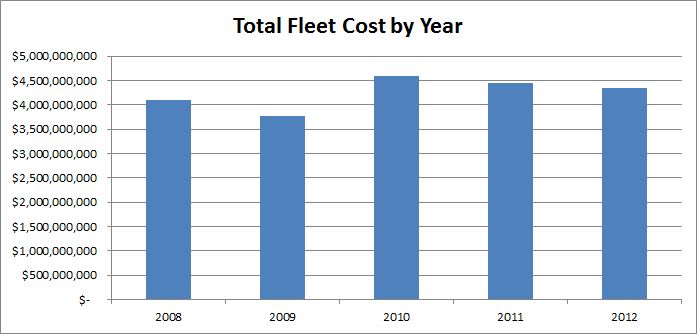
2012 marks the second year federal agencies have reduced overall fleet costs.
2012 marks the second year federal agencies have reduced overall fleet costs.
Federal agencies reduced their fleet costs by $88 million in fiscal-year 2012, a 1.98% decrease over FY-2011 levels, according to the annual Federal Motor Vehicle Fleet Report released by the U.S. General Services Administration (GSA) in November. A 10,000-vehicle reduction helped contribute to the reduced fleet costs.
The federal fleet inventory in 2012 consisted of approximately 650,000 motor vehicles around the world. These vehicles drove more than 5 billion miles, consumed nearly 400 million gallons of fuel, and had operating costs of approximately $4.35 billion.
The 10,000-vehicle reduction represents a 1.5% decrease from FY-2011. Of these reductions, military agencies reduced their fleets by 5.02% and the U.S. Postal Service by 0.69%. Civilian agencies actually increased their fleet count by 0.57%. Civilian agencies also increased their miles traveled by 4.68%, while military agencies and the USPS decreased their miles traveled.
A 2011 presidential memorandum required that all new leased and purchased light-duty vehicles must be alternative-fuel vehicles by December of 2015. In 2012, 64% of all new light-duty vehicles leased or purchased were alternative-fuel vehicles (AFV), increasing the AFV count by nearly 5,000 vehicles. In 2012, AFVs represented more than 30% of the entire federal motor vehicle inventory. Civilian agencies have the most AFVs, increasing their AFV count by 11.9% to 90,173 vehicles in 2012. AFV counts in the USPS and military agencies decreased.
Finally, the GSA reported that agencies reduced petroleum consumption by more than 5% in 2012 after falling short of their annual 2% reduction targets in recent years.
Read a summary of the report here.
More Procurement
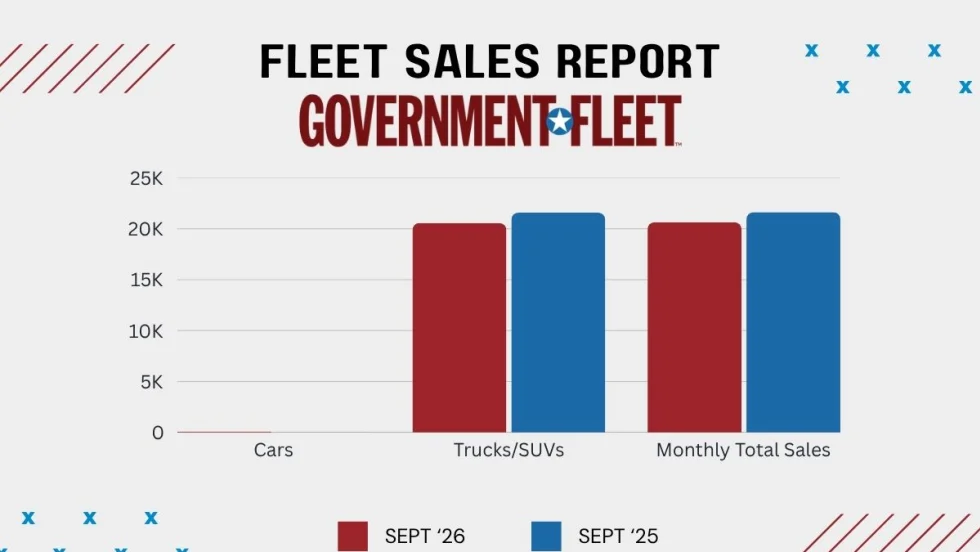
Government Fleet Car Sales More Than Double in September
Government fleet car sales rose 112.8% year over year in September, climbing from 39 to 83 units even as total monthly sales declined 4.5%.
Read More →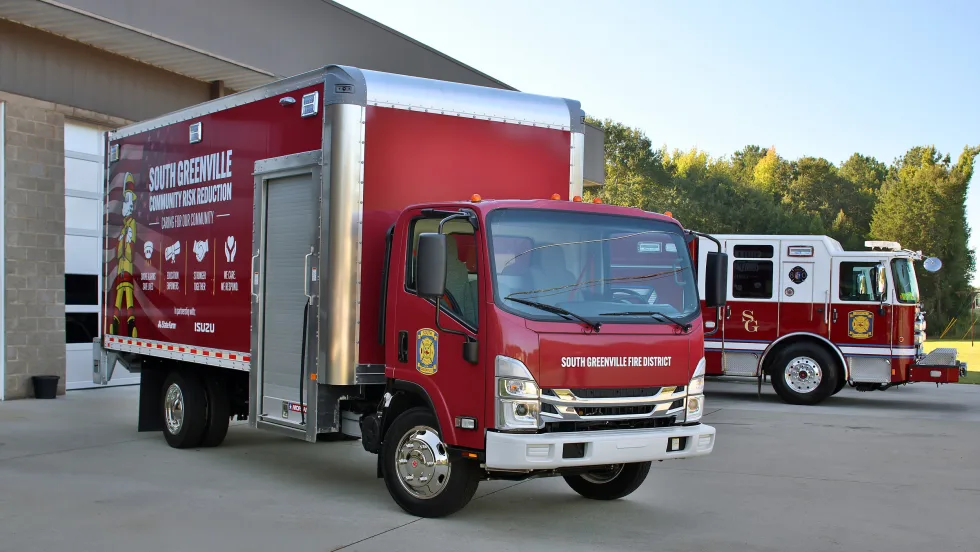
Isuzu Donates New N-SERIES NRR Truck to South Greenville Fire District to Support Community Outreach
Isuzu NRR equipped with Morgan truck body and PALFINGER liftgate will help support fire safety education, community engagement and outreach programs throughout Southern Greenville County.
Read More →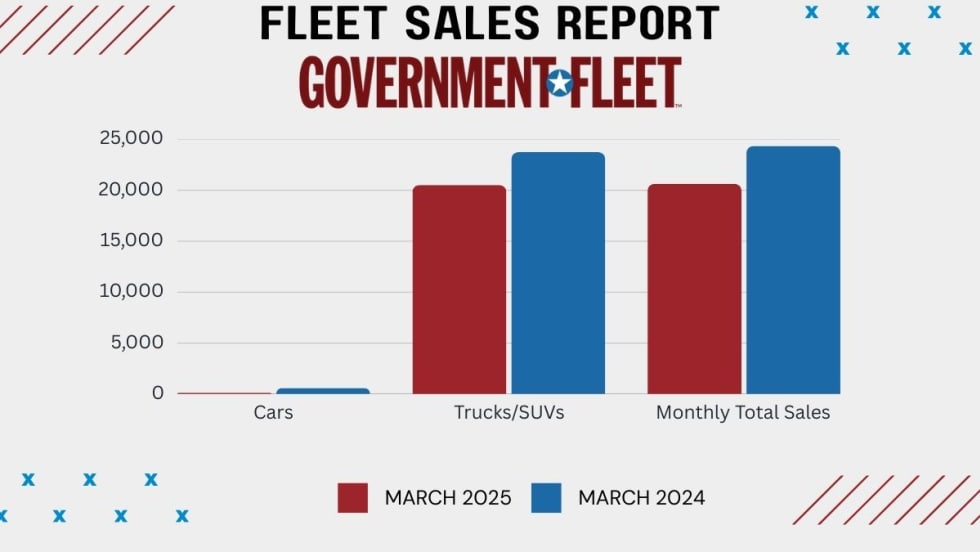
Government Vehicle Sales See Continued Growth from Beginning of Year
Government fleet sales rose from both January and February monthly totals, which were both under 20,000.
Read More →
Updated: Trump Signs Proclamation Imposing 25% Tariff on Auto Imports
A new proclamation signed by President Trump imposes a 25% tariff on imported passenger vehicles and key auto parts, citing national security concerns.
Read More →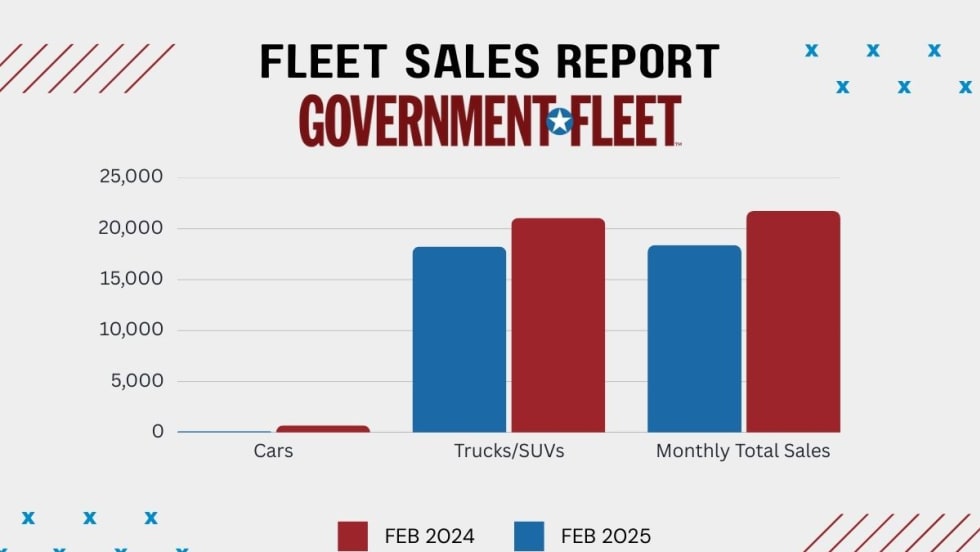
Government Vehicles Sales See Another Dip Compared to 2024
Government fleet sales last month came in at 18,383 vehicles, falling 15.4% from 21,737 in February 2024.
Read More →
Washington Municipality Adds Workhorse Electric Trucks to Fleet
The municipality will deploy two W4 CC electric work trucks for trash and recycling can switch-outs, enhancing the efficiency of its waste management services.
Read More →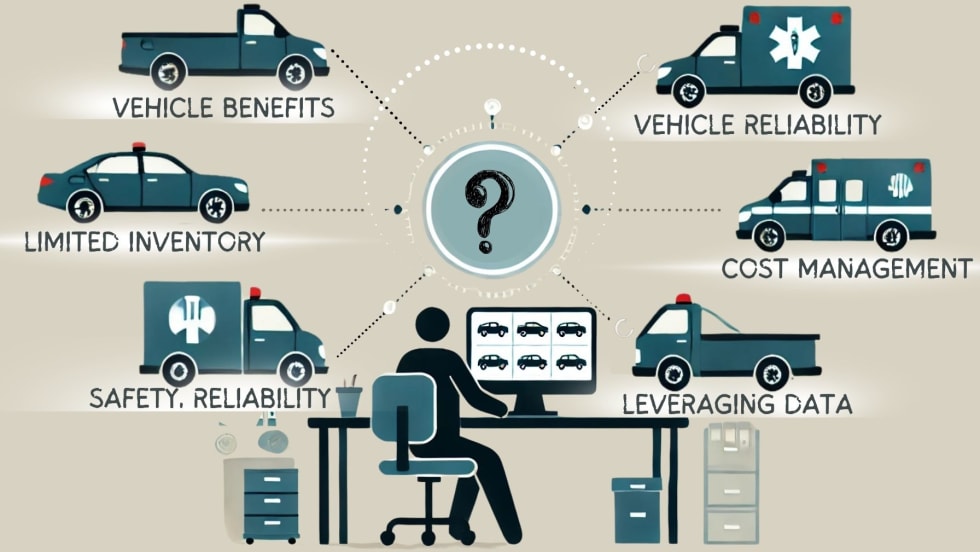
From the Archives: Changes in Fleet Acquisitions
When vehicles become harder to acquire, fleet managers must balance keeping vehicles on the road longer while managing the escalating operating costs of older vehicles.
Read More →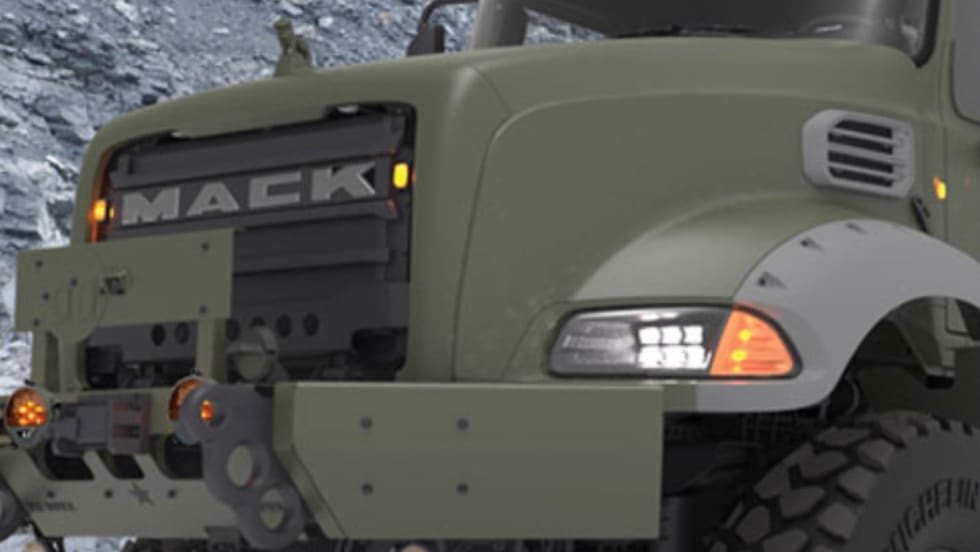
Mack Defense Awarded Contract By U.S. Marine Corps To Develop Medium Tactical Truck
The U.S. Marine Corps awarded Mack Defense a 12-month contract for the initial development of a new Medium Tactical Trucks (MTT) fleet.
Read More →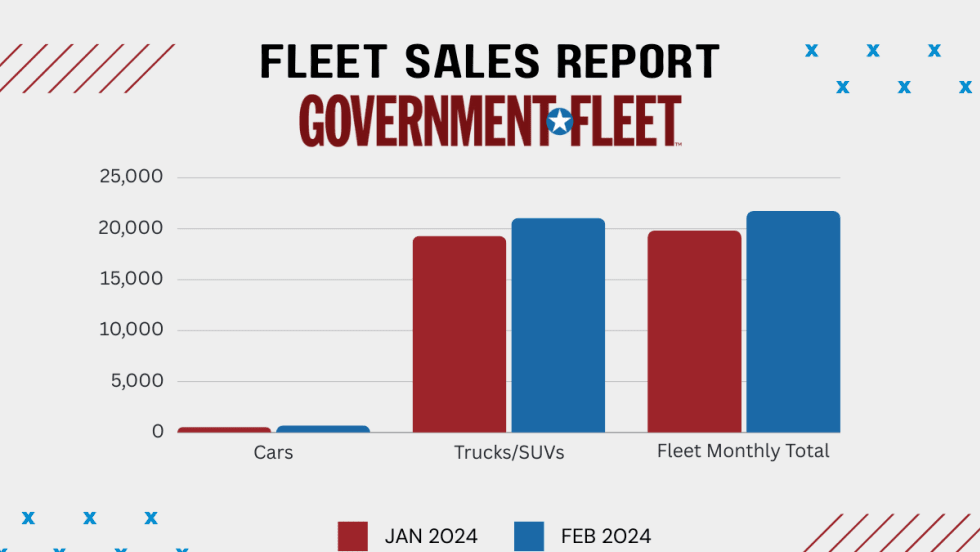
Government Vehicle Sales Rise from January to February
Government vehicle sales continue to rise into 2024 with both car and truck/SUV sales climbing between January and February of 2024, according to Bobit/Government Fleet sales data released March 2.
Read More →
How the UAW Strike Affected Government Fleet Orders from the Big 3
Government Fleet asked the Big 3 how their operations have been in the weeks since the UAW strike ended, with new contracts ratified. Plus, automakers address concerns about vehicle delivery delays.
Read More →