




Mass. Reduces Take Home Fleet After Employee Abuse
The State of Massachusetts is reducing its take home fleet, Governor Charlie Baker announced days after a state employee resigned over misuse of a state-owned vehicle.

Massachusetts State House. Photo via flickr/erictchin

Massachusetts State House. Photo via flickr/erictchin
Massachusetts Governor Charlie Baker announced that the state is cutting down its take home fleet, days after a state employee resigned over misuse of a state-issued vehicle.
On September 30th, Matthew Sisk, a deputy commissioner for the Department of Conservation and Recreation resigned after inappropriately using a state-issued vehicle's siren and flashing lights to get around traffic, the Boston Globe reported. Sisk was also a GOP political operative in Gov. Baker's 2014 gubernatorial campaign. He was previously reprimanded for using state-owned golf carts to transport guests at a GOP event in July.
Gov. Baker announced October 4th that the state is currently re-evaluating its fleet, focusing on which vehicles actually need lights and sirens. Baker said take home privileges have already been cut for 20-30 employees, according to the Boston Herald.
More Operations

Hazard Alerts, Fleet Car Sales Rise and a New Shuttle Concept
Fleet car sales doubled, but the bigger picture tells a different story in this week’s roundup.
Read More →
How St. Johns County Turned Fleet Data Into Better Replacement Decisions
St. Johns County, Florida, had fleet data, but turning it into reliable decision guidance was another matter. Instead of starting over with a new fleet management system, the county connected existing tools and built a scoring system that gives managers an objective look at fleet health.
Read More →
Fleet Forward Conference Introduces One-Day Passes for 2026
New one-day registration lets fleet professionals attend Tuesday, Wednesday, or Thursday, with passes available for $249.
Read More →
ENC Unveils its ZAVIR Medium-Duty Shuttle
Two variants of the concept shuttles were revealed: a low-floor configuration and a high-floor configuration.
Read More →
Could Your Next Fleet Technician Start as an Intern?
What if your next technician hasn’t worked in a fleet shop yet? What fleets are doing to free up time.
Read More →
How Phoenix Is Building Its Next Generation of Fleet Technicians
With more than 8,000 vehicles and pieces of equipment to maintain, the City of Phoenix could not afford to wait for fully trained technicians to walk through the door. Instead, they revamped their entire workforce strategy and showed how public fleets can create their own talent pipeline while preparing existing employees for increasingly complex vehicles.
Read More →
What’s Slowing Your Fleet Down?
Could a change in how work gets done help your fleet return vehicles to service sooner?
Read More →
Can Public Fleets Trust the Data Driving Their Decisions?
Public fleets have more data than ever, but inconsistent records and missing information can still undermine maintenance, replacement, and cost decisions.
Read More →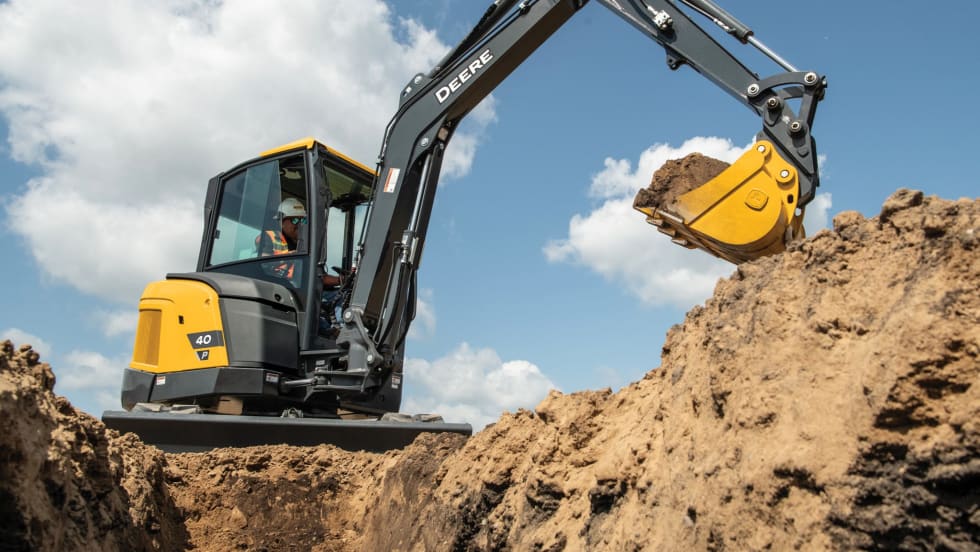
John Deere Introduces 40 P-Tier Compact Excavator
John Deere is adding a compact excavator designed for crews that need to move equipment between jobsites and handle multiple types of work with one machine. The 40 P-Tier weighs less than 10,000 pounds and offers configurable hydraulics, attachment options, and connected fleet-management capabilities.
Read More →
How Leading Fleets Improve and Why Business Plans Matter
This week, we look at what past Leading Fleet winners can teach us about making progress, plus how to build a business plan your fleet will actually use.
Read More →