




Public Fleet Summits Connect Regional Fleets
Public Fleet Summits, a partnership between Government Fleet magazine and the Government Solutions Team, are educational events that take place around the country.
The Government Solutions Team (GST) and Government Fleet magazine partnered to provide Public Fleet Summits (PFS), regional education and networking events that take place around the country. The summits address the need for high-quality professional fleet training while recognizing that budget restrictions are making travel difficult for many.
GST is a new group formed by Dave Seavey, CAFM, currently director of fleet operations for Pacific Gas & Electric Company and previously fleet management division director for the City of Seattle, and Greg Haglin of Haglin & Associates.
At the summits, fleet professionals offer educational sessions about leadership, change management, calculating return on investment, business management, and even ethics. In addition to educational sessions, the two-day summits provide plenty of networking opportunities and introduce participants to industry leaders and fleet technologies.
Combining Education & Networking
The structure of the summits allowed for frequent interaction between attendees.
“The summit was one of the best I have attended,” Randy Winders, manager, King County Metro Transit in Washington, said. Winders attended the inaugural event on August 14-15, 2013, in the Portland, Ore., area. “The agenda was structured in a way that allowed great training but more importantly, interaction between vendors and fleet managers.”
The events also allow newer fleet professionals to connect with more experienced peers. Clint Harmon, fleet and facilities manager at the City of Watauga, Texas, was one of these new fleet managers, having been at the job for less than a year. He attended the Nov. 20-21, 2013, summit in Austin, Texas.
“I think the biggest thing being new in this is the relationships you build with other people and having the resources to go back and talk to them when you run into situations that you’re unfamiliar with,” Harmon said.
The summits also bring fleet leaders and ideas about best practices to fleet professionals who are unaware or not involved with the community.
John Avilez, fleet manager for the City of Harlingen, Texas, was one of these people. Avilez has held the role of fleet manager for two years, but in Rio Grande Valley where the city is located, the fleet community is not active, and a fleet manager has to look hard to get information about the industry. He drove more than 300 miles to get to the summit and said he was interested in the technologies presented.
Public Fleet Summits take place six times per year. The next summit will be held in March in Southern California.
2014 PFS Schedule | ||
Date | Region | City |
March 5-6 | Southwestern | Santa Ana, Calif. |
April 9-10 | Mid Atlantic | Raleigh, N.C. |
May 7-8 | South Central | Dallas, Texas |
August 13-14 | Pacific Northwest | Vancouver, Wash. |
Sept. 24-25 | Great Lakes | Chicago |
December 3-4 | Southeastern | Orlando, Fla. |
For more information, visit www.publicfleetsummits.com
More Maintenance

Freeing Technicians for Higher-Priority Repairs
Could paid interns help public fleets free up experienced technicians for more complex repairs?
Read More →
Stay ready, set and safer with verified fleet inspections
When fleet inspections aren’t verifiable, missed defects can quickly become downtime, safety risks, and service delays. This white paper shows government and municipal fleet leaders how digital inspections can improve accountability, catch issues earlier, and keep vehicles ready when they’re needed most.
Read More →
Using Oil Analysis to Help with Engine Losses
How a Texas city changed its lubrication practices and began tailoring preventive maintenance intervals after test results showed oil degradation and fuel dilution.
Read More →
Hidden in Plain Sight: Fleet Compliance Risks
Fleet compliance isn't just about having policies — it's about consistently enforcing them. This practical guide reveals six hidden compliance risks common in public sector and shared fleet operations and outlines proven strategies to improve visibility, accountability, and audit readiness.
Read More →
Is Your Fleet Garage Holding Back Your Operation? | The Fleet Breakroom
Norman Barrientos of Barrientos Design & Consulting explains how agencies can use operational data to show decision-makers why a replacement or major renovation is needed.
Read More →
Reducing Long-Term Maintenance Costs and Downtime
Downtime is rarely caused by a single surprise failure but rather by an issue that builds over time through setbacks ranging from deferred maintenance to poor replacement planning. So what's the fix?
Read More →
The Future of Government Fleet Technicians with Mike Cleary
Insight on preparing for hybrid and electric vehicle service, what fleets need to know about recruiting technicians in a competitive market, and how to make the most of limited training budgets.
Read More →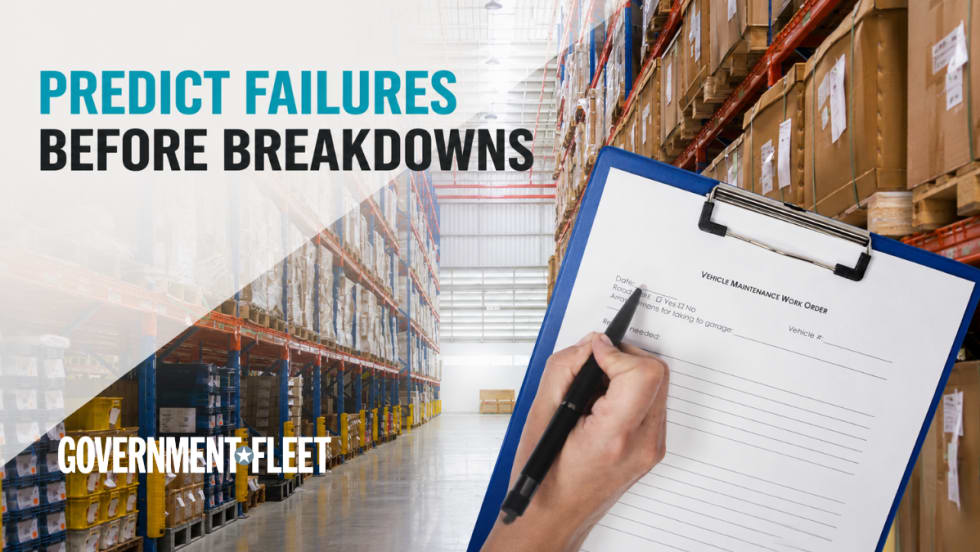
Work Orders Are More Than Records. They're a Roadmap to Fleet Availability
What if your work orders could predict failures, uncover hidden costs, and boost fleet availability? Here's how leading fleets are using the data.
Read More →
Drive More Profit with Greater Fleet Uptime
Fleet downtime costs money. JASPER helps keep vehicles on the road with quality remanufactured components, fast nationwide delivery, and reliable solutions that boost uptime and profitability.
Read More →
Smart Seasonal Maintenance Tips for Government Fleets
Government fleets carry extra weight, and routes, schedules, and public trust depend on reliability. A systematic spring checklist keeps vehicles in service when agencies need them most.
Read More →