




Related: Do Anti-Idling Technologies Work?
Orlando Cuts Fuel Use from Idling
The City of Orlando has saved over 400,000 gallons of fuel in one year through a number of fuel-saving measures, including idle reduction technology in its law enforcement vehicles.
by Staff
January 12, 2017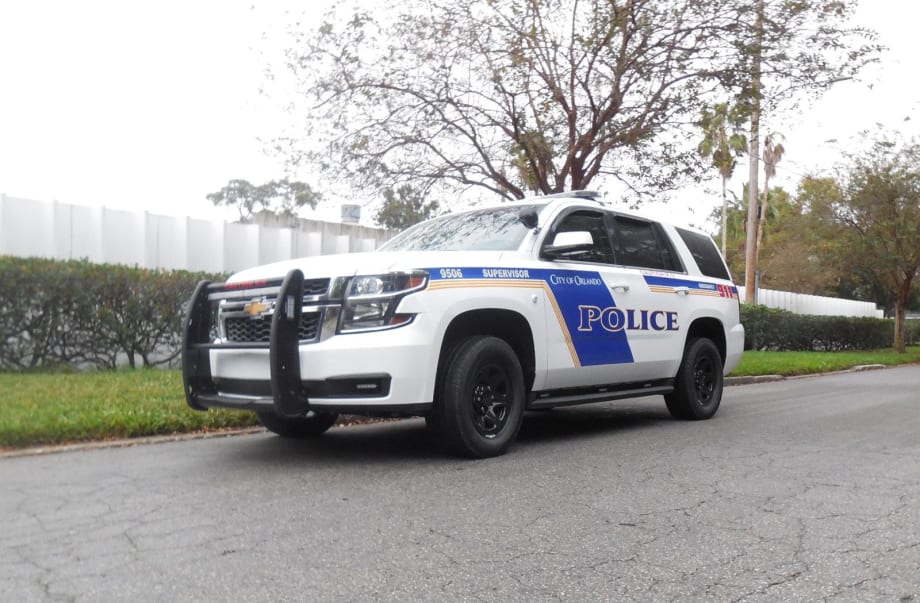
Photo courtesy of City of Orlando
2 min to read
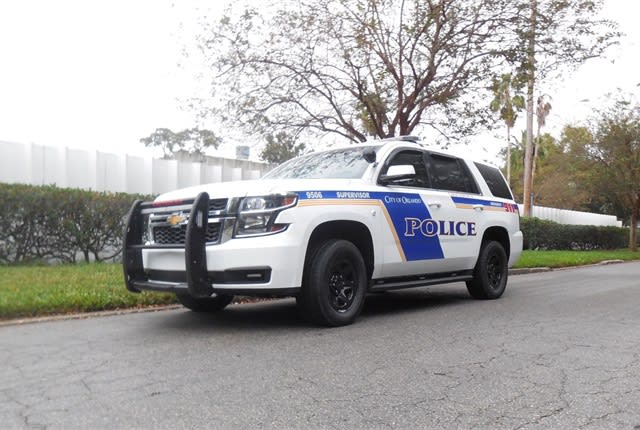
Photo courtesy of City of Orlando
The City of Orlando has saved over 400,000 gallons of fuel in one year through a number of fuel-saving measures, including idle reduction technology in its law enforcement vehicles.
The city's Fleet & Facilities Management Division found Derive Efficiency's software, which changes a vehicle’s powertrain calibrations for optimal performance, through Intelligent Fleet Solutions. This calibration enables vehicles to idle at a lower RPM, reducing idling fuel consumption by 30% and leading to an increased fuel economy of up to 12%.

Jonathan Ford, fleet management superintendent, installs the technology in a fleet vehicle. Photo courtesy of City of Orlando
The city decided to purchase the product with an initial 1,000-unit order to fit all existing fleet vehicles and new vehicles going forward.
New vehicles get the technology installed at the upfitter and older vehicles get the technology installed at their next preventive maintenance service. A quarter of the patrol fleet has already been fitted with the software and the city expects to see a return on its investment in six to nine months.
Derive’s system is calibrated to meet the needs of each individual fleet. It has worked with cities and counties to install the software on parks and recreation vehicles and service vehicles. However, the company focuses on heavy-use vehicles, especially in law enforcement applications where vehicles are often running 24 hours a day. The software also gives fleet managers the option to reduce speeding and aggressive driving with speed-limiting software.
Additional fuel-saving measures in the city fleet include installing Parker hybrid drive systems on its refuse trucks, compressed natural gas refuse trucks, and plug-in hybrid technology. The City of Orlando has pledged to run city vehicles on 100% renewable resources by 2030.
More Police

Ford Pro Introduces Full-Size 2028 Expedition Police Responder
Ford Pro gave law enforcement customers a first look at the pursuit-rated utility during Police Fleet Expo.
Read More →
Paterson Police Expand Drone Fleet, Launch Real-Time Operations Center
The Paterson Police Department has expanded its drone program and opened a new Real-Time Operations Center designed to support emergency response and incident management. The initiative integrates multiple technologies to provide officers with real-time information during investigations and public safety operations.
Read More →
Why Public Fleet Success Depends on More Than the Vehicles
Tim Coxwell of the Leon County Sheriff’s Office discusses the projects shaping his fleet operation, including long-term work around vehicle selection, greenhouse gas emissions, and cost per mile.
Read More →
Havis Acquires Pro-gard Products
The acquisition brings together two manufacturers of public safety vehicle equipment under one company. Havis says the move expands its portfolio of products for outfitting law enforcement vehicles and other public safety fleets.
Read More →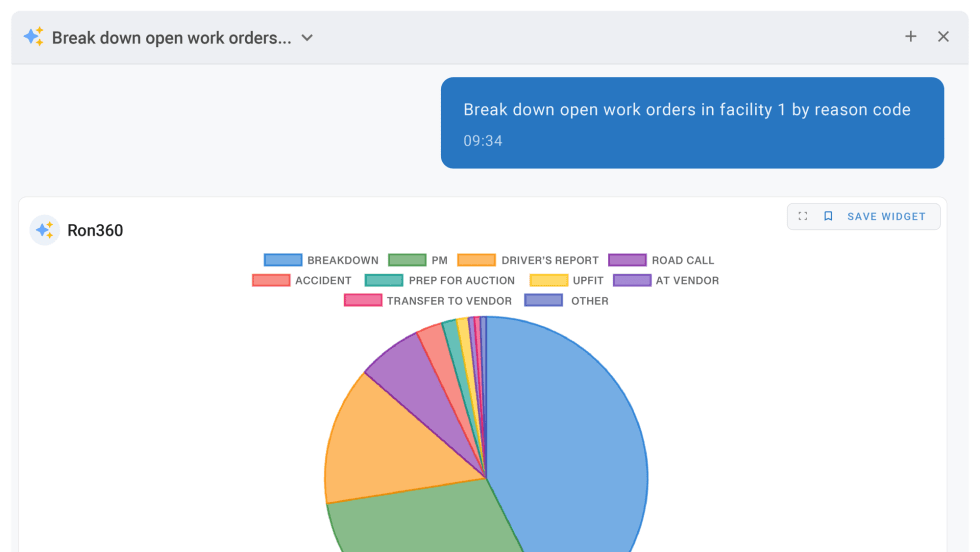
RTA Fleet Introduces AI Assistant for Fleet360 Platform
As artificial intelligence continues to gain traction across public-sector operations, fleet software providers are finding new ways to incorporate the technology into everyday workflows. RTA's latest addition aims to simplify how users interact with fleet data.
Read More →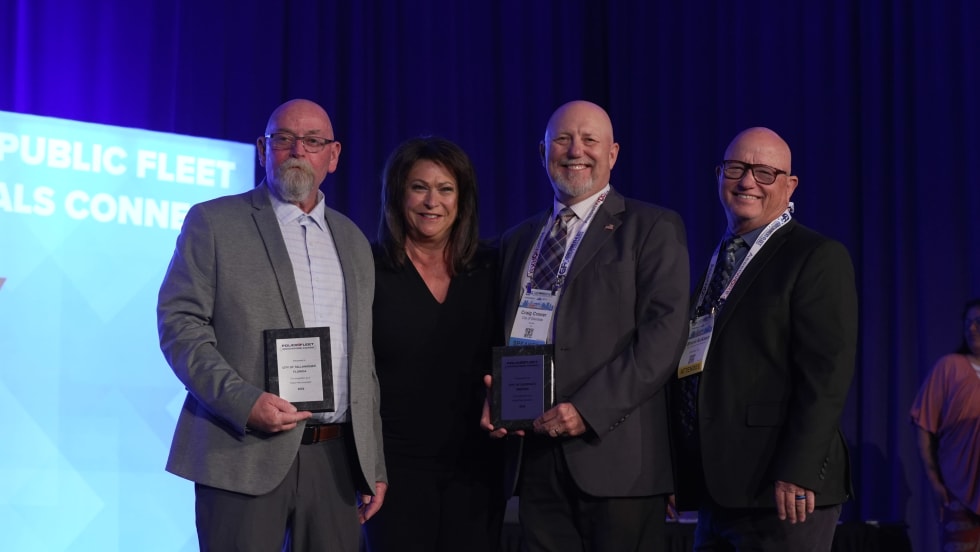
2026 Police Fleet Innovators Named
Meet the professionals finding new ways to solve some of law enforcement's toughest fleet challenges.
Read More →
Rynse Expands Nationwide Fleet Wash Access for Law Enforcement
The North Carolina Sheriff’s Association Contract Cooperative purchasing contract aims to streamline procurement process for law enforcement agencies across the U.S.
Read More →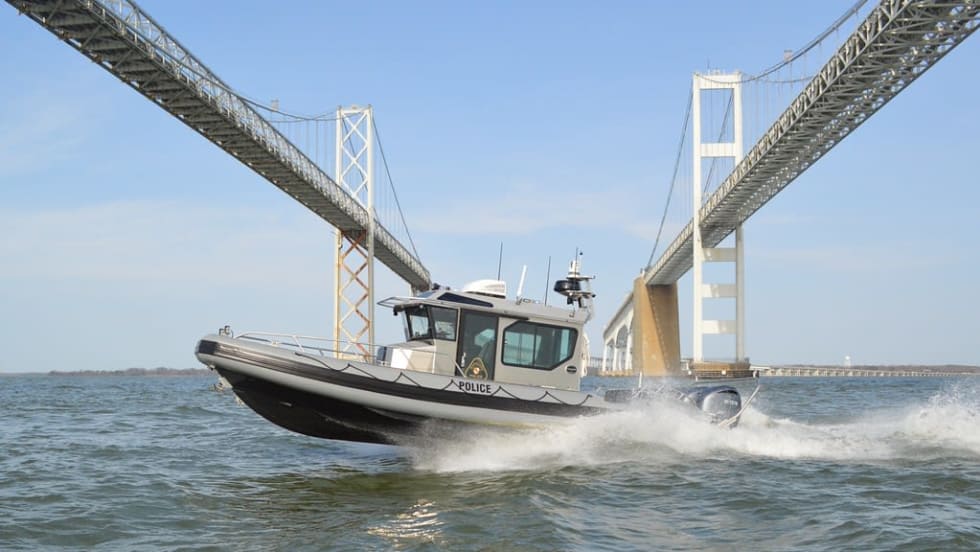
Maryland Natural Resources Police Adds 31-Foot Patrol Boat to Enforcement Fleet
A new addition to Maryland’s marine enforcement fleet is bringing expanded capabilities to Chesapeake Bay operations while honoring a legacy within the agency. The high-performance patrol vessel reflects how law enforcement fleets are adapting to growing demands on the water.
Read More →
LEHR Expands Florida Presence With Enforcement One Acquisition
LEHR has acquired Florida-based emergency vehicle upfitter Enforcement One, marking its eighth add-on acquisition.
Read More →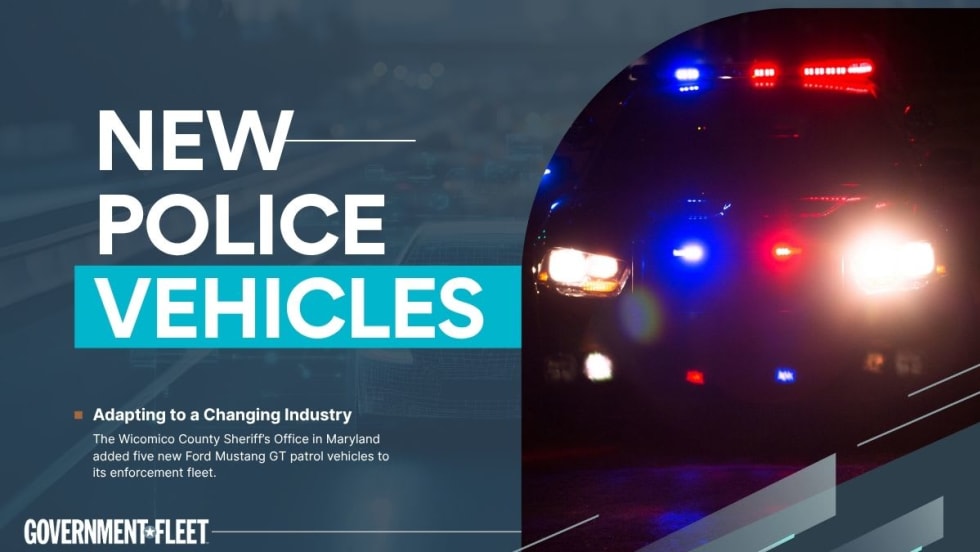
Maryland’s Wicomico County Sheriff Adds Mustang GT Patrol Vehicles
The agency is also working with the Maryland Police Training Commission on a specialized high-performance driving course for deputies assigned to the vehicles.
Read More →