





Related: Beverly Hills to Develop Autonomous Vehicle Program
Columbus to Add 200 EVs After Winning Smart City Challenge
The City of Columbus, Ohio, was selected as the winner of the U.S. Department of Transportation’s Smart City Challenge, earning up to $50 million. Columbus’ proposal includes the addition of 200 electric vehicles to the fleet.
June 29, 2016
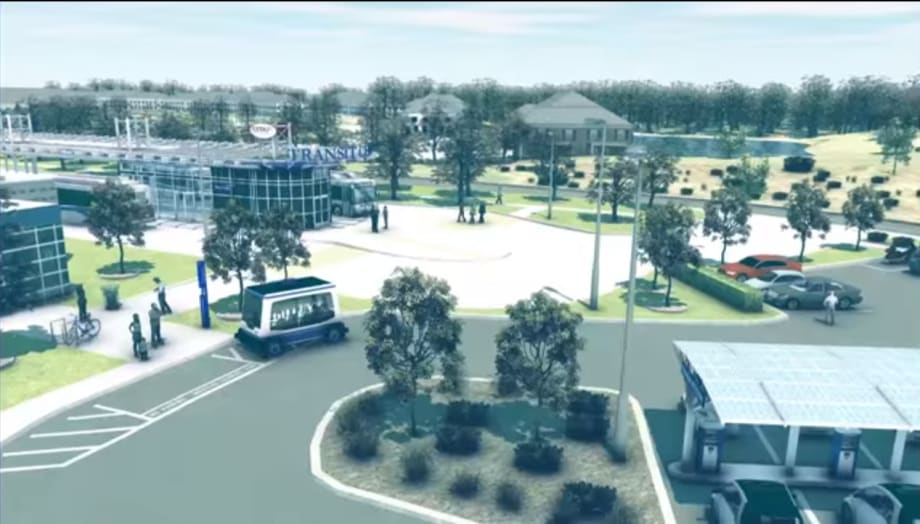
Screencapture of #SmartCityPitch: Columbus
2 min to read
Screencapture of #SmartCityPitch: Columbus
The City of Columbus, Ohio, was selected as the winner of the U.S. Department of Transportation’s Smart City Challenge, earning up to $50 million from the DOT and a private company for the project. The project challenged cities to modernize their transportation system, and Columbus’ proposal includes the addition of 200 electric vehicles to the fleet, said Kelly Reagan, fleet administrator.
The city must deploy the 200 EVs with charging infrastructure within three years, according to the grant requirements. The city's current EV fleet consists of six vehicles.
“This will be a huge project for the division of fleet,” Reagan said. “We’ll learn from our friends in [California] on how to build electric vehicle infrastructure and put EVs into service, to shorten the learning curve.”
To determine where EVs will best fit, fleet staff members are talking to customers and pulling data from its telematics system. “With GPS data, we can tell how long a vehicle is on, how many miles it’s diving every day, to make sure it fits. But we won’t use the data alone; we’ll work specifically with the customers,” said John King, fleet operations manager.
The city proposed deploying three electric self-driving shuttles to link a new bus rapid transit center to a retail district, create smart lighting to increase safety for pedestrians and traffic signals that communicate with vehicles, and develop an app for events with real-time traffic and parking updates, among numerous other plans.
The city has already raised $90 million from other private partners to carry out the plan.
The Smart City competition challenged mid-size cities to fully integrate innovative technologies — self-driving cars, connected vehicles, and smart sensors — into their transportation network. The city beat out six other finalists from a total of 78 applicants.
The DOT will collaborate with government and private sector partners to help the remaining finalist cities — Austin, Denver, Kansas City, Pittsburgh, Portland, and San Francisco — move forward with their proposals.
More Green Fleet
Sustainability Partners, Energy Systems Group Help Albuquerque Close the Gap on its 100% Renewable Energy Goal
The eight-site, 6 MW solar project has advanced the city toward 100% renewable energy for municipal operations.
Read More →
Port Authority and CALSTART Launch $45 Million Electric Truck and Charging Programs
The programs aim to boost sustainable operations across the East Coast's busiest seaport.
Read More →
Moving Government Fleets Beyond the Vehicle Purchase: EV as a Service
A discussion on how EVaaS is moving beyond pilot programs and what fleets should consider before beginning a larger deployment.
Read More →
Moving Government Fleets Beyond the Vehicle Purchase: EV as a Service
As fleets move beyond small EV pilots, Sustainability Partners CEO Adam Cain explains how EVaaS can address the infrastructure and long-term planning required for larger deployments.
Read More →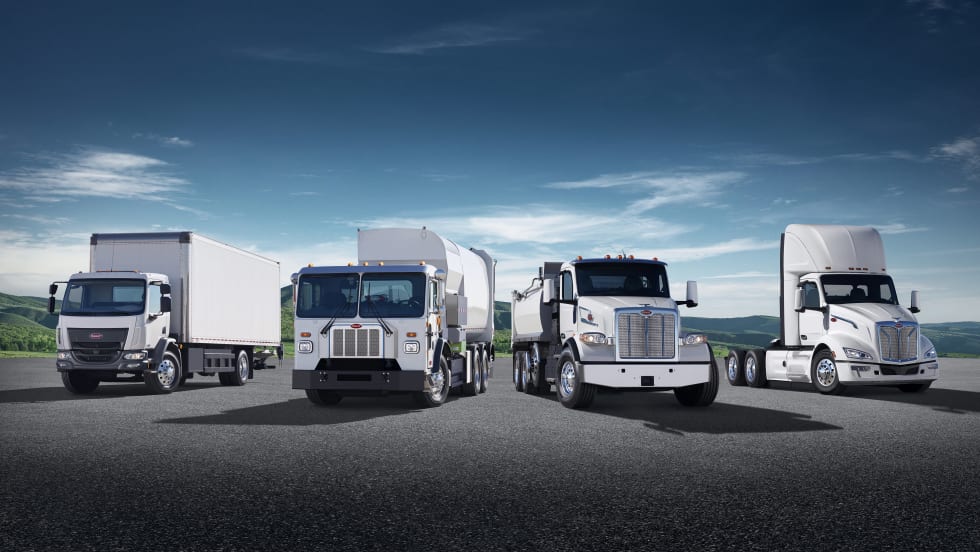
Peterbilt Expands Sourcewell Partnership with Electric Vehicle Lineup
The agreement aims to provide streamlined procurement of Peterbilt trucks for government, education, nonprofit and tribal organizations across the United States and Canada.
Read More →

EV Adoption & Charging Challenges
Where is your fleet in the journey of vehicle electrification? If you're still looking for answers to fleet electrification you've come to the right place.
Read More →
Hawaii Passes Clean Fuel Policy
Hawaii lawmakers passed clean fuel legislation that could support renewable natural gas production, biogas-powered transportation, and lower-carbon fueling options for public and commercial fleets.
Read More →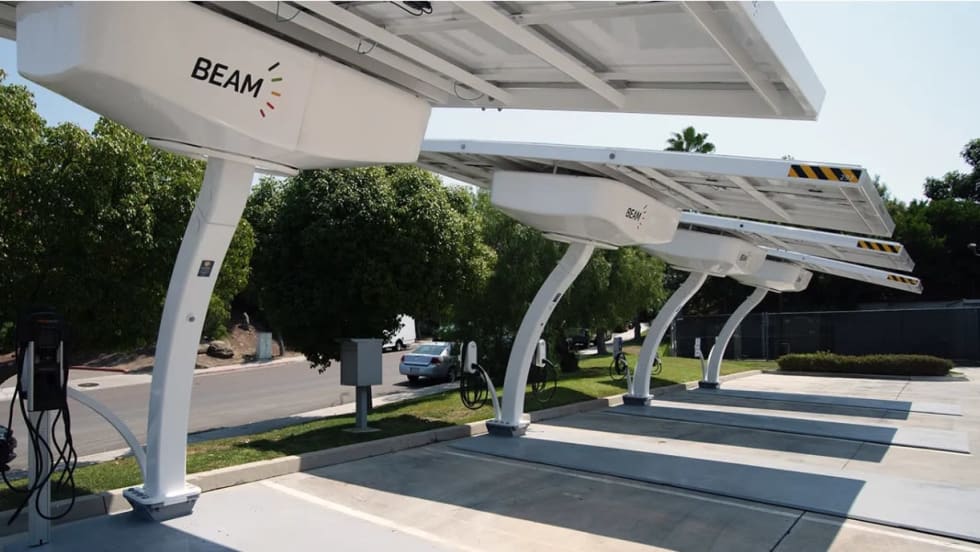
Stanislaus County Deploys Ten Beam Global EV ARC Systems to Support County Fleet Electrification
Stanislaus County deployed 10 off-grid solar-powered EV charging systems and a mobile charging trailer from Beam Global to support its electric fleet operations and emergency response flexibility.
Read More →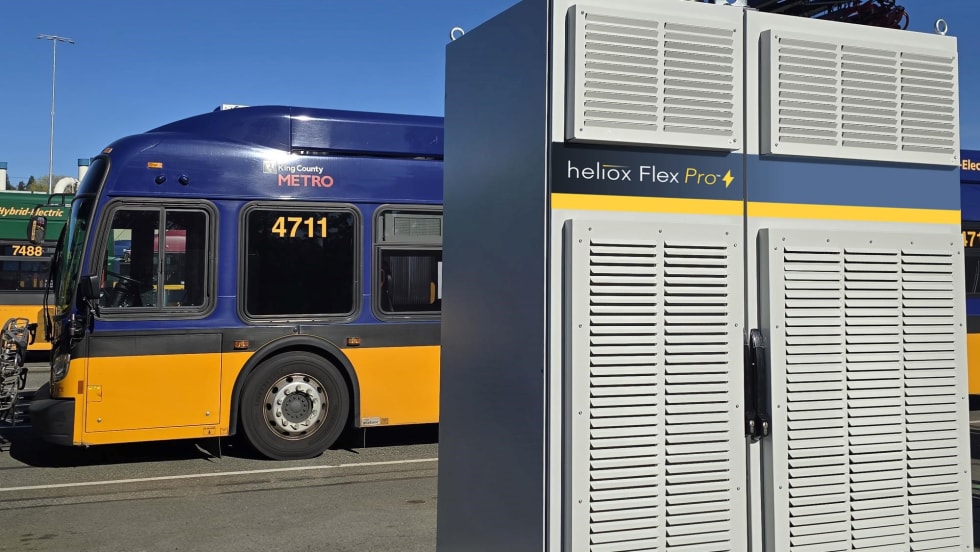
Heliox Pilots 480-kW Bus Charger with King County Metro
King County Metro is piloting Heliox’s new 480-kW Flex Pro charger to support expansion of its battery-electric bus fleet and depot charging infrastructure. The compact charging system supports pantograph and plug-in charging configurations for high-density transit operations.
Read More →