




N.Y. County Official Calls Propane Autogas Plan a ‘Step Backwards’
Ulster County (N.Y.) Executive Mike Hein vetoed a resolution to spend $25,000 to convert five transport vans from unleaded gasoline to propane autogas. The resolution had been passed by the county legislature.
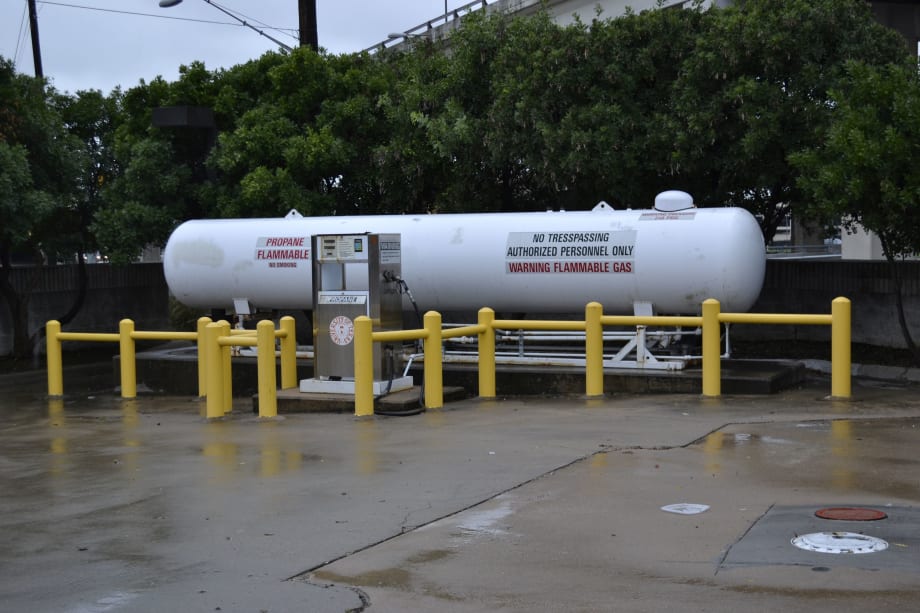
File photo
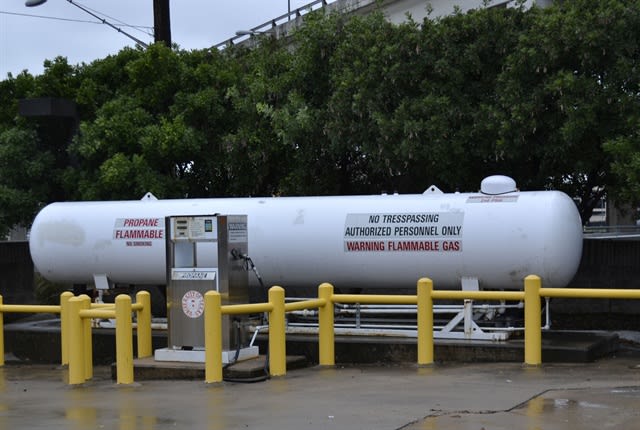
File photo
Ulster County (N.Y.) Executive Mike Hein vetoed a resolution to spend $25,000 to convert five transport vans from unleaded gasoline to propane autogas. The resolution had been passed by the county legislature.
“Resolution No. 314A would represent a step backwards,” Hein said in a release explaining his decision. “Trading one fossil fuel for another is not environmentally sensitive and investing in a vehicle technology that promotes fracking is unconscionable, especially since more sustainable, renewable options are readily available.”
Hein said the county is a leader in renewable resources and has plug-in electric vehicles, installed EV charging stations, and is using biodiesel for its bus fleet.
The county’s Department of the Environment agreed with Hein’s statement. “Current initiatives including the use of biodiesel in the UCAT bus fleet and plug-in hybrid vehicles will yield 26 times the greenhouse gas reduction as compared to the propane proposal,” said Ulster County Department of the Environment Coordinator Amanda LaValle. “In addition, there is negligible, if any, financial benefit to the county in implementing this proposal.”
The transport vans sought to be retrofitted are on average seven years old, have an odometer reading of 50,000 miles, and average 11 miles per gallon. If one van was retired and a new fuel efficient model was purchased as a replacement, it would reduce fuel consumption of the fleet by 12%, as opposed to the up to 10% reduction by converting to propane autogas, the release stated.
More than two-thirds of domestic propane production comes from natural gas production. This percentage is growing becuase of the boom in natural gas production due to hydraulic fracturing, which New York State recently banned.
More Green Fleet
Sustainability Partners, Energy Systems Group Help Albuquerque Close the Gap on its 100% Renewable Energy Goal
The eight-site, 6 MW solar project has advanced the city toward 100% renewable energy for municipal operations.
Read More →
Port Authority and CALSTART Launch $45 Million Electric Truck and Charging Programs
The programs aim to boost sustainable operations across the East Coast's busiest seaport.
Read More →
Moving Government Fleets Beyond the Vehicle Purchase: EV as a Service
A discussion on how EVaaS is moving beyond pilot programs and what fleets should consider before beginning a larger deployment.
Read More →
Moving Government Fleets Beyond the Vehicle Purchase: EV as a Service
As fleets move beyond small EV pilots, Sustainability Partners CEO Adam Cain explains how EVaaS can address the infrastructure and long-term planning required for larger deployments.
Read More →
Peterbilt Expands Sourcewell Partnership with Electric Vehicle Lineup
The agreement aims to provide streamlined procurement of Peterbilt trucks for government, education, nonprofit and tribal organizations across the United States and Canada.
Read More →
EV Adoption & Charging Challenges
Where is your fleet in the journey of vehicle electrification? If you're still looking for answers to fleet electrification you've come to the right place.
Read More →
Hawaii Passes Clean Fuel Policy
Hawaii lawmakers passed clean fuel legislation that could support renewable natural gas production, biogas-powered transportation, and lower-carbon fueling options for public and commercial fleets.
Read More →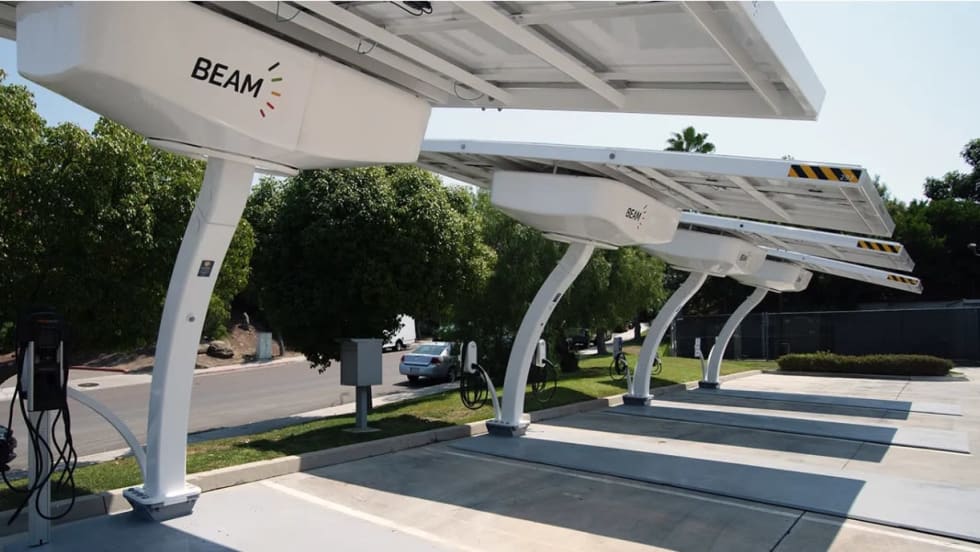
Stanislaus County Deploys Ten Beam Global EV ARC Systems to Support County Fleet Electrification
Stanislaus County deployed 10 off-grid solar-powered EV charging systems and a mobile charging trailer from Beam Global to support its electric fleet operations and emergency response flexibility.
Read More →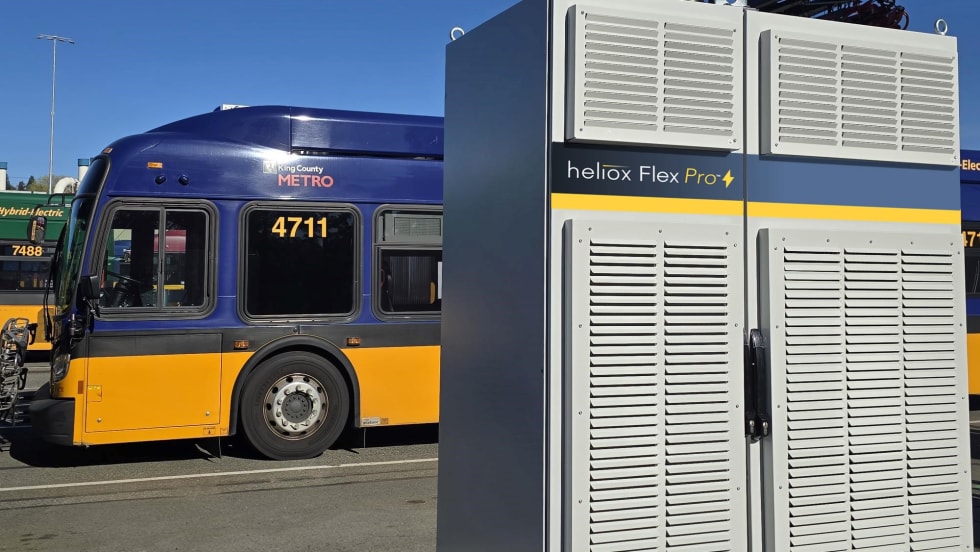
Heliox Pilots 480-kW Bus Charger with King County Metro
King County Metro is piloting Heliox’s new 480-kW Flex Pro charger to support expansion of its battery-electric bus fleet and depot charging infrastructure. The compact charging system supports pantograph and plug-in charging configurations for high-density transit operations.
Read More →