




Calif. County Moves to CNG
Sacramento County, Calif., has begun switching to compressed natural gas (CNG) from liquified natural gas (LNG) for its fleet by awarding a contract to TruStar Energy for fueling infrastructure.
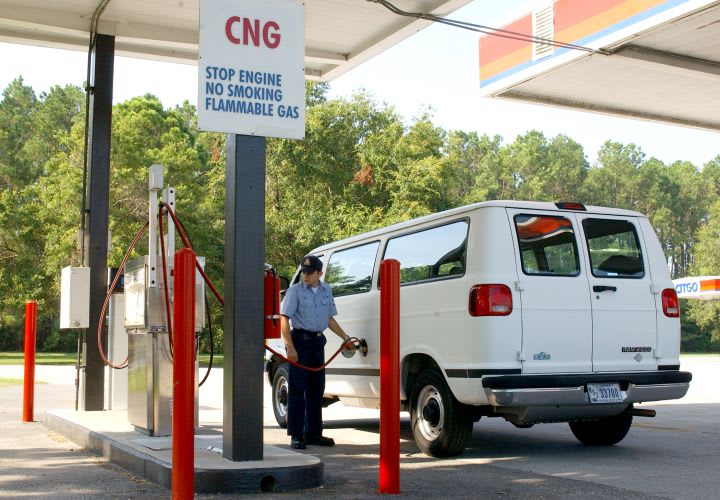
File photo
File photo
Sacramento County, Calif., has begun switching to compressed natural gas (CNG) from liquified natural gas (LNG) for its fleet by awarding a contract to TruStar Energy for fueling infrastructure.
TruStar Energy, which bid $1.87 million, plans to break ground in the fourth quarter. The station should be operational by the end of March 2015. CNG provides economic benefits that make the switch a prudent decision, said Chris Celsi, the county’s waste management and recycling superintendent.
“We have two yards that we operate out of but only one LNG station, which forces us to fuel a large bulk tanker that we affectionately call ‘Orca,’ which then transports LNG to our second location, where our drivers will then line up to fuel,” said Celsi. “One of the big issues is we’re then paying our drivers to wait up to 45 minutes for their turn to fuel their vehicle. With the CNG station, our drivers simply plug their trucks in and walk away.”
The combination time-fill and fast-fill station will be used primarily to provide fuel for the refuse fleet, but will also have a fast-fill dispenser to allow other county vehicles to fuel up. The station will be configured to time-fill 40 vehicles simultaneously at night, when electrical power needed to run the compressors is at its cheapest.
Celsi said that the county doesn’t currently have a lot of CNG-powered fleet vehicles, but now that a CNG fueling station is imminent, it will be aggressively seeking new CNG-powered vehicles. Sacramento County has been using LNG since 2004.
More Green Fleet
Sustainability Partners, Energy Systems Group Help Albuquerque Close the Gap on its 100% Renewable Energy Goal
The eight-site, 6 MW solar project has advanced the city toward 100% renewable energy for municipal operations.
Read More →
Port Authority and CALSTART Launch $45 Million Electric Truck and Charging Programs
The programs aim to boost sustainable operations across the East Coast's busiest seaport.
Read More →
Moving Government Fleets Beyond the Vehicle Purchase: EV as a Service
A discussion on how EVaaS is moving beyond pilot programs and what fleets should consider before beginning a larger deployment.
Read More →
Moving Government Fleets Beyond the Vehicle Purchase: EV as a Service
As fleets move beyond small EV pilots, Sustainability Partners CEO Adam Cain explains how EVaaS can address the infrastructure and long-term planning required for larger deployments.
Read More →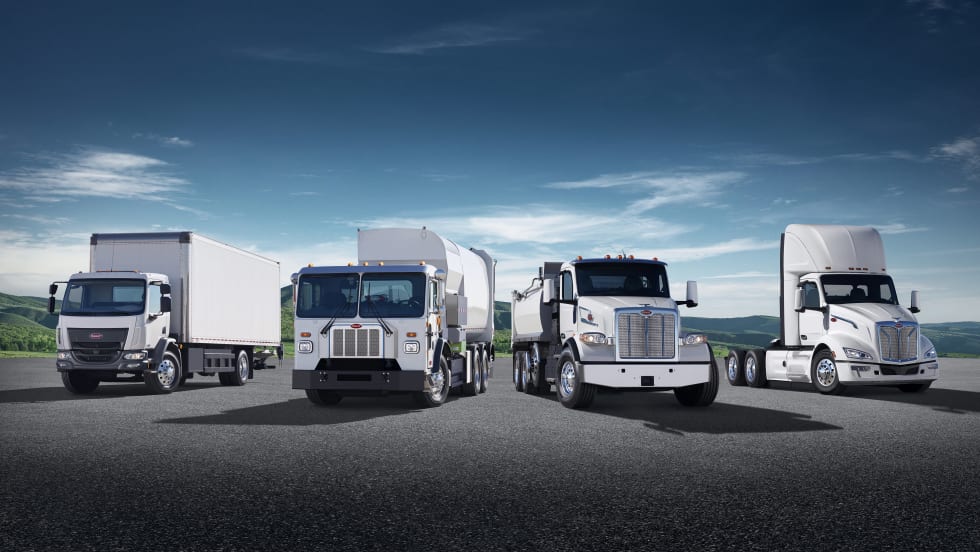
Peterbilt Expands Sourcewell Partnership with Electric Vehicle Lineup
The agreement aims to provide streamlined procurement of Peterbilt trucks for government, education, nonprofit and tribal organizations across the United States and Canada.
Read More →
EV Adoption & Charging Challenges
Where is your fleet in the journey of vehicle electrification? If you're still looking for answers to fleet electrification you've come to the right place.
Read More →
Hawaii Passes Clean Fuel Policy
Hawaii lawmakers passed clean fuel legislation that could support renewable natural gas production, biogas-powered transportation, and lower-carbon fueling options for public and commercial fleets.
Read More →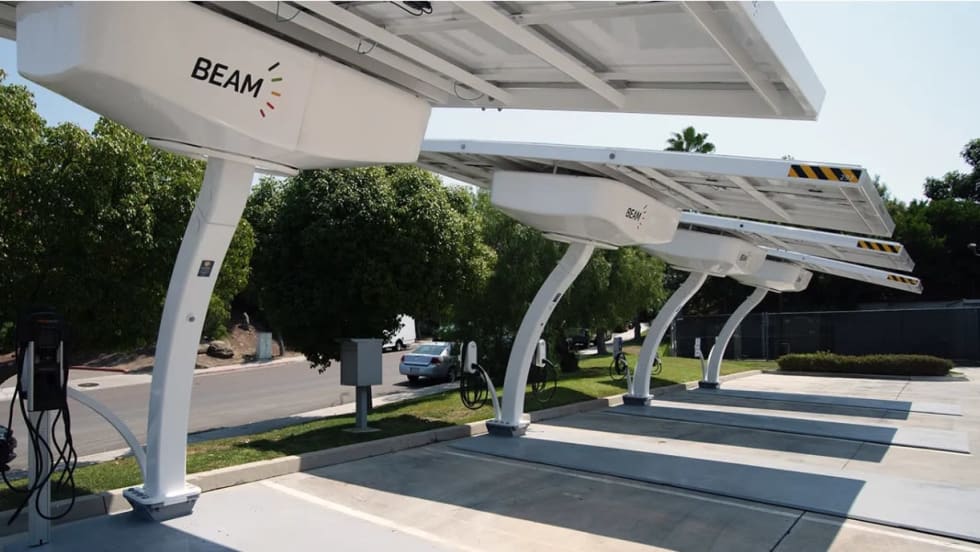
Stanislaus County Deploys Ten Beam Global EV ARC Systems to Support County Fleet Electrification
Stanislaus County deployed 10 off-grid solar-powered EV charging systems and a mobile charging trailer from Beam Global to support its electric fleet operations and emergency response flexibility.
Read More →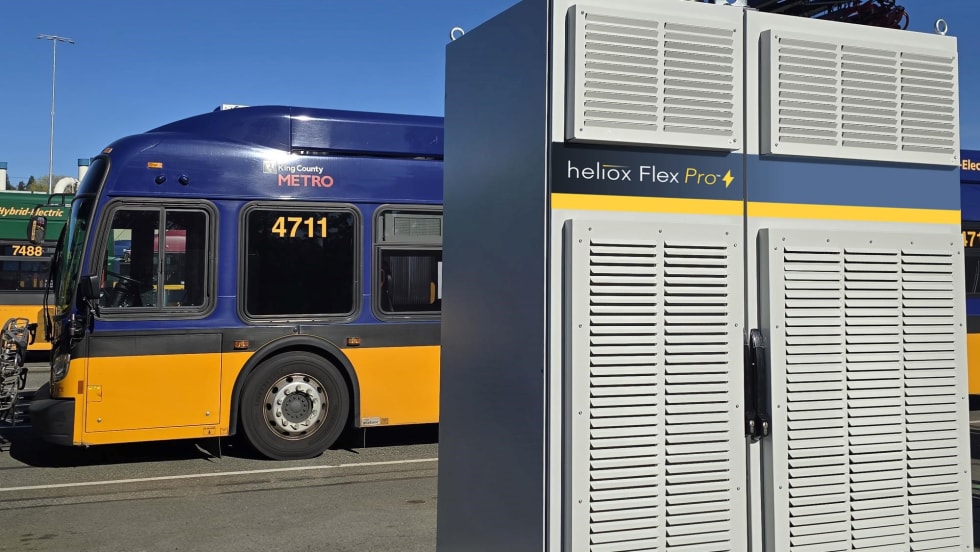
Heliox Pilots 480-kW Bus Charger with King County Metro
King County Metro is piloting Heliox’s new 480-kW Flex Pro charger to support expansion of its battery-electric bus fleet and depot charging infrastructure. The compact charging system supports pantograph and plug-in charging configurations for high-density transit operations.
Read More →