




Cummins Announces 2013 Engine Lineup for Refuse Market
Cummins Inc. announced its 2013 engine lineup for refuse vehicles. The company is offering a complete range of both clean diesel and natural gas engines.
Cummins Inc. announced its 2013 engine lineup for refuse vehicles at WasteExpo in New Orleans on May 21. The company is offering a complete range of both clean diesel and natural gas engines.
Cummins said it has made improvements to all existing base engines for 2013 to achieve up to 2% better fuel economy compared with the 2012 model year engines. For 2013, Cummins will offer the refuse vehicle market two choices in clean diesel power – the ISX12 and ISL9.
The XPI fuel system, VGT Turbocharger, and Cummins aftertreatment system with diesel particulate filter (DPF) and selective catalytic reduction (SCR) deliver improved reliability, durability and fuel economy for 2013. All engines will share a new single electronic control module (ECM) that will manage both the engine and the aftertreatment system. In addition, these engines meet the 2013 U.S. Environmental Protection Agency (EPA) regulations as well as the 2014 EPA greenhouse gas (GHG) and U.S. Department of Transportation (DOT) fuel efficiency standards.
The 2013 ISX12’s ratings range from 320 hp to 385 hp and include modifications to the VGT Turbocharger for better reliability. Also, the ISX12 features high-efficiency water, fuel, and lube pumps to help reduce parasitic loss and improve fuel economy up to 2% when compared with the 2012 model-year engine. The ISX12 also provides customers with the options of front- and rear- engine power take-off (FEPTO and REPTO).
The 2013 ISL9’s ratings range from 260 hp to 380 hp. Heavy-duty features include as replaceable wet liners, roller followers, by-pass oil filtration, and targeted piston cooling. The addition of an air intake throttle for 2013 enhances the overall efficiency of the exhaust gas recirculation (EGR) system, leading to improved fuel economy of up to 2% when compared with the 2012 model year engine. In addition, the ISL9 will now feature NanoNet media in the fuel filter, which provides up to 10 times better protection for fuel injectors, according to Cummins.
Cummins Westport natural gas engines – the ISL G and ISX12 G – utilize the same base engine and key components as their diesel counterparts. They also feature Cummins Westport’s spark-ignited combustion technology with stoichiometric cooled exhaust gas recirculation (SEGR) and a maintenance-free three-way catalyst (TWC).
The ISL G is available with ratings from 250 hp to 320 hp and shares a full-skirted block with Cummins ISL9 diesel engine. Cummins Westport’s ISX12 G is based on Cummins ISX12 diesel, and offers ratings from 320 hp to 350 hp with up to 1450 lb-ft torque. Customers get a choice choice of automatic or manual transmission. Limited production began in April, with full production starting in August.
Both the ISX12 G and ISL G are EPA 2013 certified, and also meet the 2014 GHG and fuel efficiency standards. In addition, the ISX12 G and ISL G can operate on compressed natural gas (CNG), liquefied natural gas (LNG) or renewable natural gas (RNG).
More Green Fleet

Hawaii Passes Clean Fuel Policy
Hawaii lawmakers passed clean fuel legislation that could support renewable natural gas production, biogas-powered transportation, and lower-carbon fueling options for public and commercial fleets.
Read More →
Are You Tracking Your Fleet's True Total Cost of Ownership?
Bobit Business Media surveyed 190 fleet professionals and found that while most fleets are tracking costs, fragmented systems and data gaps are keeping true TCO visibility out of reach. With rising pressure to control spend in an increasingly volatile environment, the gap between what fleets think they know and what the data actually shows is wider than you might expect. See how your peers are managing costs today and where the industry still has room to improve.
Read More →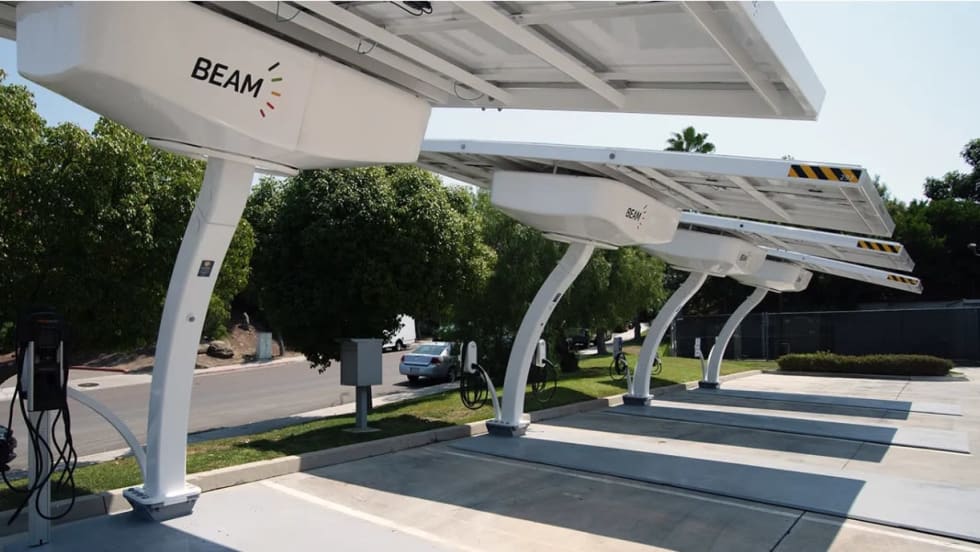
Stanislaus County Deploys Ten Beam Global EV ARC Systems to Support County Fleet Electrification
Stanislaus County deployed 10 off-grid solar-powered EV charging systems and a mobile charging trailer from Beam Global to support its electric fleet operations and emergency response flexibility.
Read More →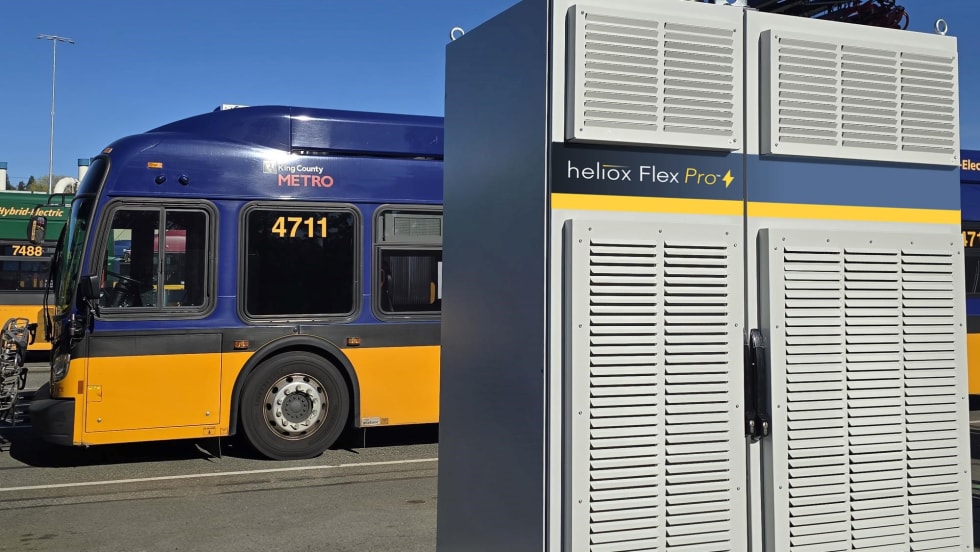
Heliox Pilots 480-kW Bus Charger with King County Metro
King County Metro is piloting Heliox’s new 480-kW Flex Pro charger to support expansion of its battery-electric bus fleet and depot charging infrastructure. The compact charging system supports pantograph and plug-in charging configurations for high-density transit operations.
Read More →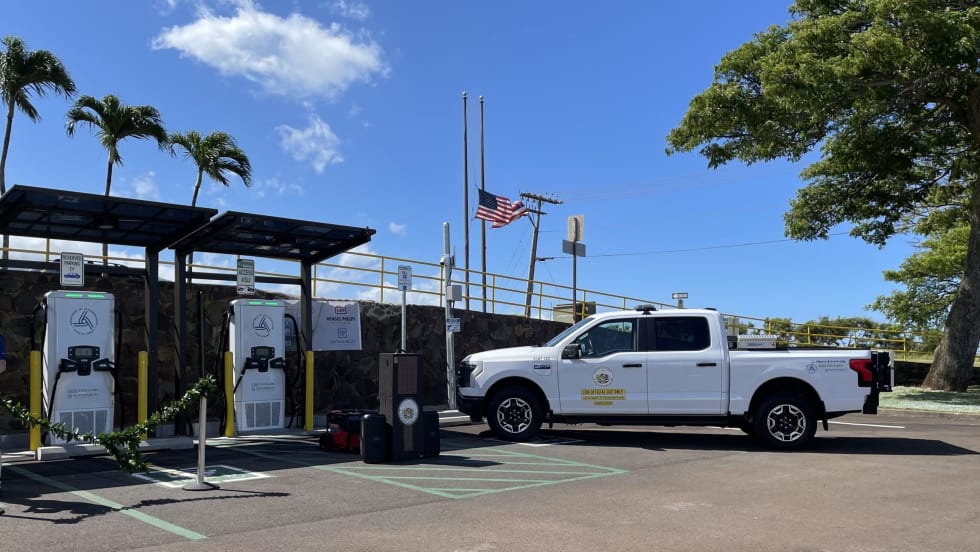
HDOT Commissions New NEVI Fast-Charging Site at Maui Kapalua Airport
HDOT, community leaders and project partners recently participated in a commissioning and blessing ceremony celebrating the opening of the new charging site.
Read More →
EV Efficiency Beyond the Battery
Eastman launched Saflex Evoca XIR.SR, an infrared-reflective interlayer for EV panoramic sunroofs designed to reduce cabin heat, improve occupant comfort, and support battery efficiency.
Read More →
Revisiting the EV Conversation | The Fleet Breakroom
EVs have been a major part of the fleet conversation for years, but where does that conversation stand now?
Read More →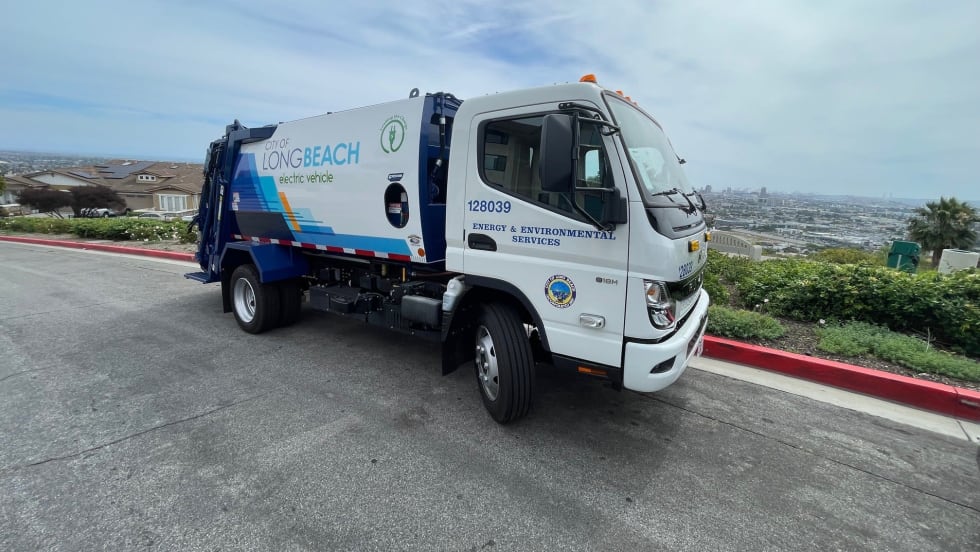
Long Beach Debuts First Electric Refuse Trucks in Fleet Pilot
The City of Long Beach, California, has unveiled its first two all-electric garbage trucks, marking the start of a pilot program as the city evaluates a broader transition away from compressed natural gas.
Read More →
Beam Global and HEVO Inc. Launch Market Ready Autonomous Charging Platform for Autonomous Vehicles
Beam Global and HEVO have launched an integrated autonomous wireless charging system that pairs off-grid solar EV infrastructure with wireless charging technology, designed to support autonomous vehicle operations and electric fleet deployments.
Read More →
New EVs Part of Long-Term Investment Toward Zero Emissions
Alabama A&M University has added four electric patrol vehicles to its Department of Public Safety fleet, becoming the first university in the state to deploy electric police vehicles.
Read More →