




City of Temple Receives Grant for Propane Autogas Conversion
TEMPLE, TX – The City of Temple, Texas, received a grant for approximately $99,500 to convert 11 vehicles to propane autogas. The City anticipates an annual savings of between $2,500 and $3,000 per converted vehicle.
TEMPLE, TX – The City of Temple, Texas, received a grant for approximately $99,500 to convert 11 vehicles to propane autogas. Clean Start Propane Refueling, Vehicle Incentive & Outreach Program provided by Texas State Technical College (TSTC) and its partners CleanFuel USA (CFUSA) and Public Solutions Group (PSG) awarded the grant. Funding for the grant is provided by the U.S. Department of Energy (DOE) to promote the use of alternative fuels, according to a release from the City.
The eleven vehicles converted under this grant opportunity will run on a bi-fuel system that operates primarily on propane autogas, and uses gasoline as a secondary fuel option. The City anticipates an annual savings of between $2,500 and $3,000 per converted vehicle. With the use of propane autogas, the City will decrease gasoline use by approximately 1,600 gallons annually per converted vehicle. According to calculations, the City anticipates an estimated greenhouse gas emission reduction of 1,295 lbs. of CO2 per vehicle.
The City of Temple owns and operates its own propane autogas fueling station on-site, at its Fleet Services Center. This station was installed with funding from a previously awarded grant.
Propane autogas is 90% as efficient as regular gasoline; therefore it is assumed that the City will use approximately 1,800 gallons of propane annually per vehicle, compared to 1,600 gallons of gasoline annually per vehicle. The City will limit the purchase of gasoline for the converted vehicles to a minimum.
Currently, the City of Temple has four vehicles operating on propane autogas. The fleet is composed of 425 vehicles, 38% which are general vehicles, 38% light trucks, 22% heavy trucks and 2% motorcycles. The average age of the fleet is seven years, accumulating between 120,000 to 150,000 miles in each vehicle's lifetime. Presently, approximately 75% of these vehicles operate on gasoline and 25% operate on diesel.
According to Ashley Williams, the City’s sustainability and grant manager, current propane vehicles have saved the City more than $1,000 in the few short months they have been in operation.
This grant will allow the City to continue its program of converting the majority of its fleet to an appropriate alternative fuel, under its Sustainability Management Plan adopted in January. The City’s fleet department is committed to this plan and is working on achieving the following plan-related goals: reduce energy costs and consumption, prevent pollution, increase energy efficiency, and reduce reliance on non-renewable resourcesm, according to the release.
More Green Fleet

Hawaii Passes Clean Fuel Policy
Hawaii lawmakers passed clean fuel legislation that could support renewable natural gas production, biogas-powered transportation, and lower-carbon fueling options for public and commercial fleets.
Read More →
Are You Tracking Your Fleet's True Total Cost of Ownership?
Bobit Business Media surveyed 190 fleet professionals and found that while most fleets are tracking costs, fragmented systems and data gaps are keeping true TCO visibility out of reach. With rising pressure to control spend in an increasingly volatile environment, the gap between what fleets think they know and what the data actually shows is wider than you might expect. See how your peers are managing costs today and where the industry still has room to improve.
Read More →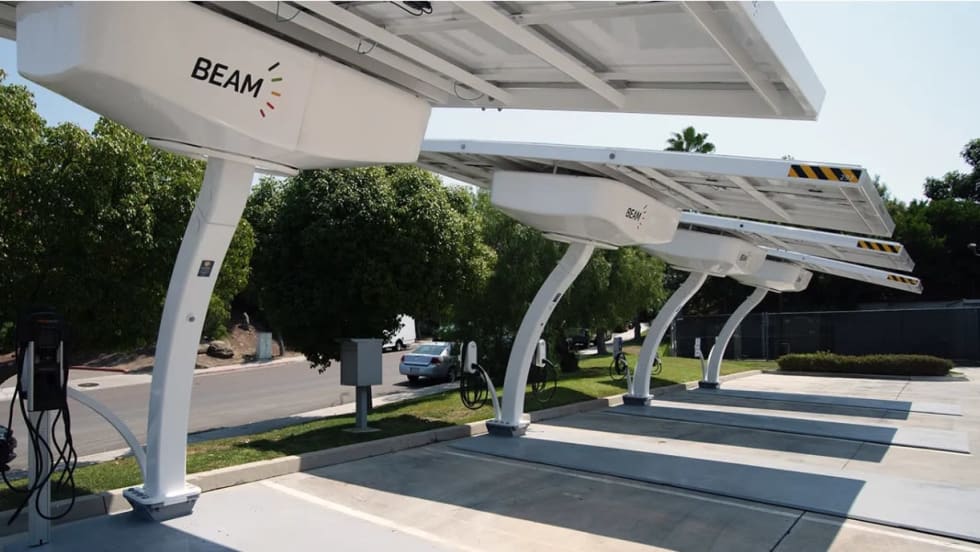
Stanislaus County Deploys Ten Beam Global EV ARC Systems to Support County Fleet Electrification
Stanislaus County deployed 10 off-grid solar-powered EV charging systems and a mobile charging trailer from Beam Global to support its electric fleet operations and emergency response flexibility.
Read More →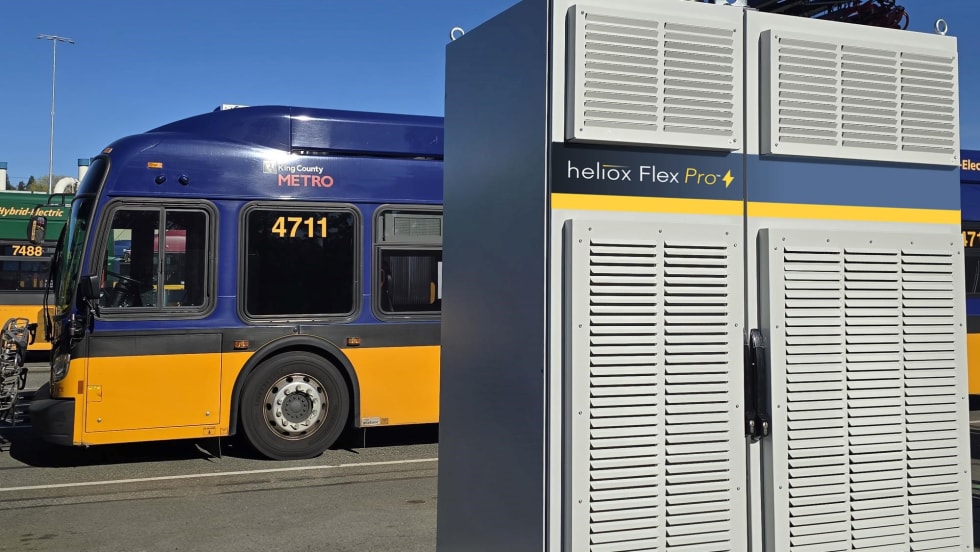
Heliox Pilots 480-kW Bus Charger with King County Metro
King County Metro is piloting Heliox’s new 480-kW Flex Pro charger to support expansion of its battery-electric bus fleet and depot charging infrastructure. The compact charging system supports pantograph and plug-in charging configurations for high-density transit operations.
Read More →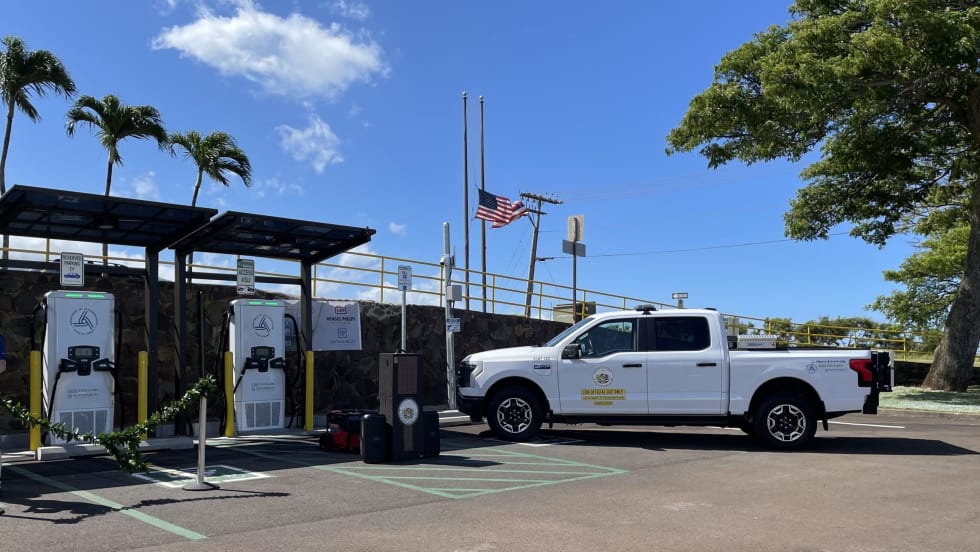
HDOT Commissions New NEVI Fast-Charging Site at Maui Kapalua Airport
HDOT, community leaders and project partners recently participated in a commissioning and blessing ceremony celebrating the opening of the new charging site.
Read More →
EV Efficiency Beyond the Battery
Eastman launched Saflex Evoca XIR.SR, an infrared-reflective interlayer for EV panoramic sunroofs designed to reduce cabin heat, improve occupant comfort, and support battery efficiency.
Read More →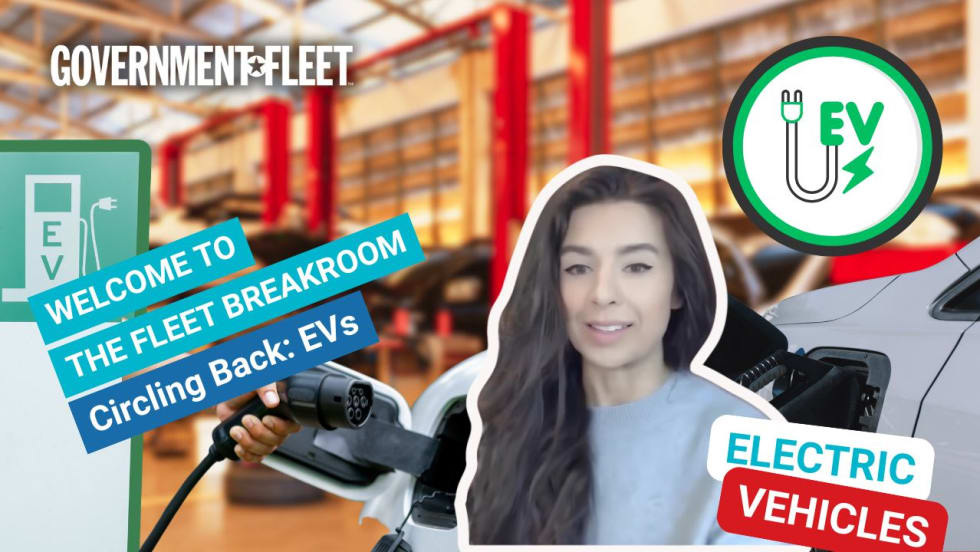
Revisiting the EV Conversation | The Fleet Breakroom
EVs have been a major part of the fleet conversation for years, but where does that conversation stand now?
Read More →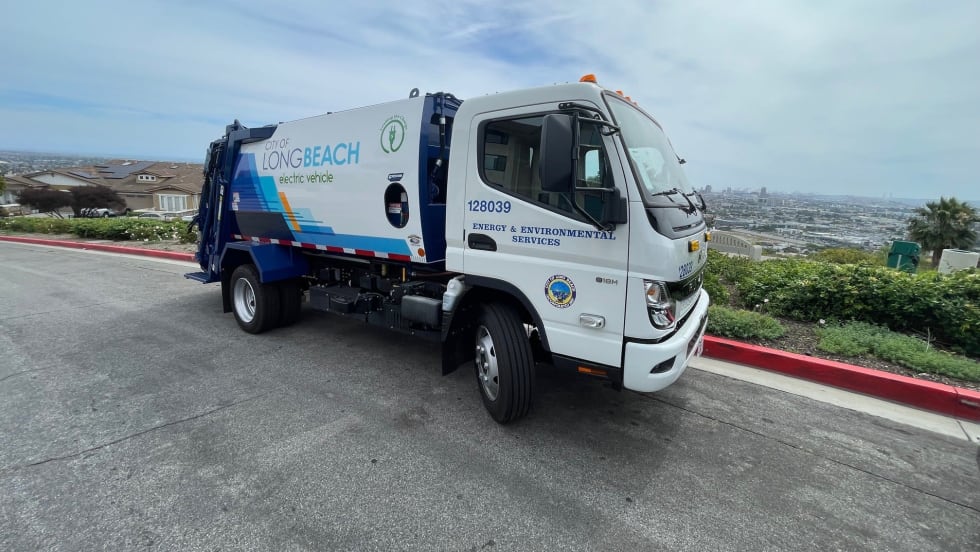
Long Beach Debuts First Electric Refuse Trucks in Fleet Pilot
The City of Long Beach, California, has unveiled its first two all-electric garbage trucks, marking the start of a pilot program as the city evaluates a broader transition away from compressed natural gas.
Read More →
Beam Global and HEVO Inc. Launch Market Ready Autonomous Charging Platform for Autonomous Vehicles
Beam Global and HEVO have launched an integrated autonomous wireless charging system that pairs off-grid solar EV infrastructure with wireless charging technology, designed to support autonomous vehicle operations and electric fleet deployments.
Read More →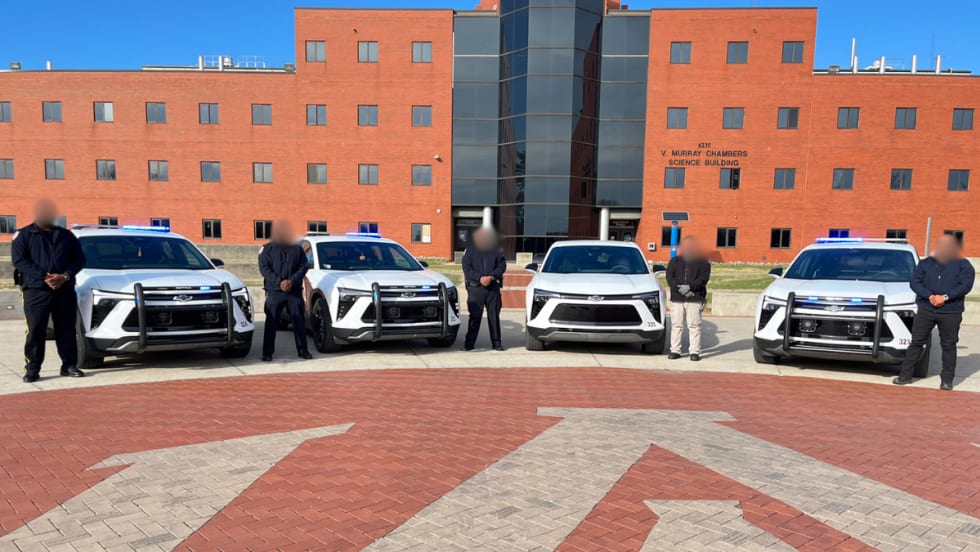
New EVs Part of Long-Term Investment Toward Zero Emissions
Alabama A&M University has added four electric patrol vehicles to its Department of Public Safety fleet, becoming the first university in the state to deploy electric police vehicles.
Read More →