




City of Sacramento Fleet Installs Solar-Powered EV Chargers
SACRAMENTO, CA - The City of Sacramento celebrated the completion of the first of four solar installations on City facilities. The fleet's six new plug-in electric vehicles will be charged using power from the solar panels.
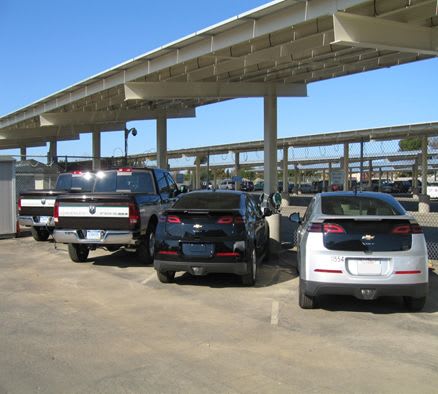
The solar panel installation will power, among other things, four EV chargers for City vehicles.
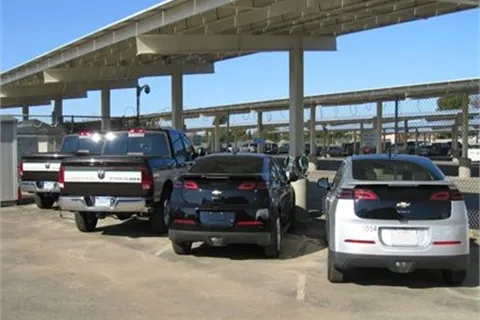
The solar panel installation will power, among other things, four EV chargers for City vehicles.
SACRAMENTO, CA - City of Sacramento officials recently laid the last panel on an 800+ kilowatt system at the City's South Area Corporation Yard. City officials celebrated with SolarCity and Sacramento Municipal Utility District (SMUD) the completion of the first of four solar installations on City facilities. Solar panels were placed on parking canopies located in the employee parking lot area, according to a release from the City.
City of Sacramento Fleet has four electric vehicle (EV) chargers housed under the new solar canopy, with plans for additional EV chargers at the other solar installations. These chargers will be fed energy generated by solar power from the project. Fleet Manager Keith Leech commented, "The completion of the new solar-powered EV chargers corresponds perfectly with the City's Fleet having recently received four Chrysler plug-in hybrid electric (PHEV) Ram 1500 pick-up trucks and two Chevrolet PHEV Volts funded from the Federal DOE Clean Cities American Recovery and Reinvestment Act."
In August, SMUD received 14 PHEV RAM 1500 pick-up trucks, of which the City of Sacramento received four to be used across various departments and services. These vehicles are being used as part of a demonstration project in partnership with the U.S. Department of Energy. The information collected by Chrysler from the demonstration will be used to evaluate city drive cycles, charging performance, fuel economy, and real-world performance.
The solar panel project, approved by the Sacramento City Council in March, includes the installation of more than 8,000 solar panels on solar support structures and roof space at four locations. There was no upfront cost to the City, and the project created nearly 250 local jobs. In addition, it will provide city employees and customers shade for parking and reduce heat island effect.
SolarCity will install, own, and maintain the panels for the City. As part of the agreement, the City of Sacramento will pay for the power produced through a power purchase agreement (PPA) at a rate that is anticipated to be lower than grid electricity. This model makes it cost effective for the City to support the generation of renewable energy, reduce greenhouse gas emissions, and create local jobs, the release stated.
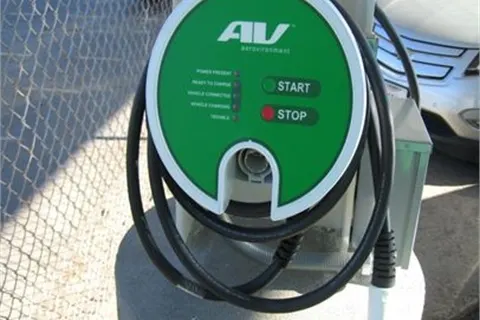
The City of Sacramento Fleet has four EV chargers housed under the new solar canopy, with plans for additional EV chargers at the other solar installations.
Related Article:
City of Sacramento to Purchase 53 LNG Refuse Trucks for $15.8M
More Green Fleet
Sustainability Partners, Energy Systems Group Help Albuquerque Close the Gap on its 100% Renewable Energy Goal
The eight-site, 6 MW solar project has advanced the city toward 100% renewable energy for municipal operations.
Read More →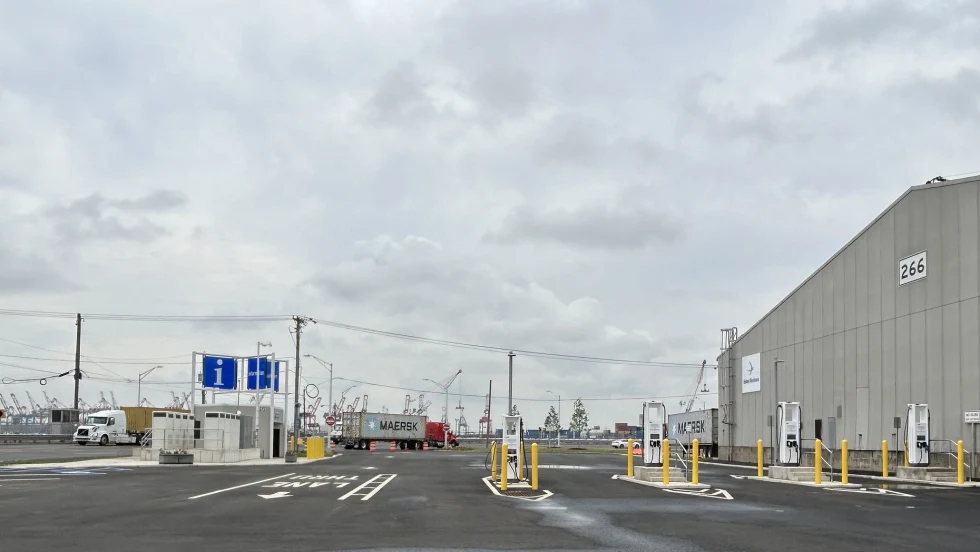
Port Authority and CALSTART Launch $45 Million Electric Truck and Charging Programs
The programs aim to boost sustainable operations across the East Coast's busiest seaport.
Read More →
Moving Government Fleets Beyond the Vehicle Purchase: EV as a Service
A discussion on how EVaaS is moving beyond pilot programs and what fleets should consider before beginning a larger deployment.
Read More →
Moving Government Fleets Beyond the Vehicle Purchase: EV as a Service
As fleets move beyond small EV pilots, Sustainability Partners CEO Adam Cain explains how EVaaS can address the infrastructure and long-term planning required for larger deployments.
Read More →
Peterbilt Expands Sourcewell Partnership with Electric Vehicle Lineup
The agreement aims to provide streamlined procurement of Peterbilt trucks for government, education, nonprofit and tribal organizations across the United States and Canada.
Read More →

EV Adoption & Charging Challenges
Where is your fleet in the journey of vehicle electrification? If you're still looking for answers to fleet electrification you've come to the right place.
Read More →
Hawaii Passes Clean Fuel Policy
Hawaii lawmakers passed clean fuel legislation that could support renewable natural gas production, biogas-powered transportation, and lower-carbon fueling options for public and commercial fleets.
Read More →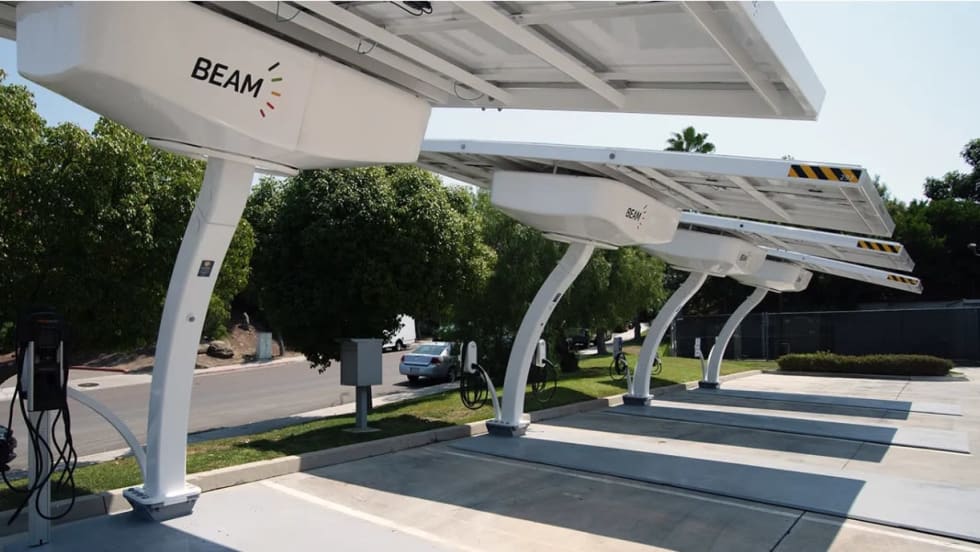
Stanislaus County Deploys Ten Beam Global EV ARC Systems to Support County Fleet Electrification
Stanislaus County deployed 10 off-grid solar-powered EV charging systems and a mobile charging trailer from Beam Global to support its electric fleet operations and emergency response flexibility.
Read More →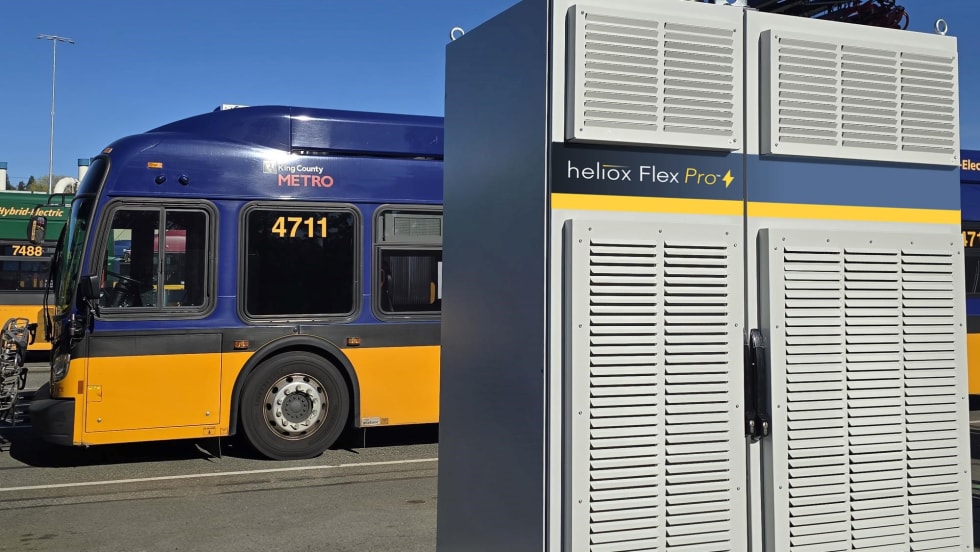
Heliox Pilots 480-kW Bus Charger with King County Metro
King County Metro is piloting Heliox’s new 480-kW Flex Pro charger to support expansion of its battery-electric bus fleet and depot charging infrastructure. The compact charging system supports pantograph and plug-in charging configurations for high-density transit operations.
Read More →