




Northwest Utilities Band Together for Benchmarking Initiative
The Pacific Northwest Utility Fleet Managers Association is open to both public and private fleets. The Association's biggest project is a benchmarking study that will allow members to effectively compare their operations.

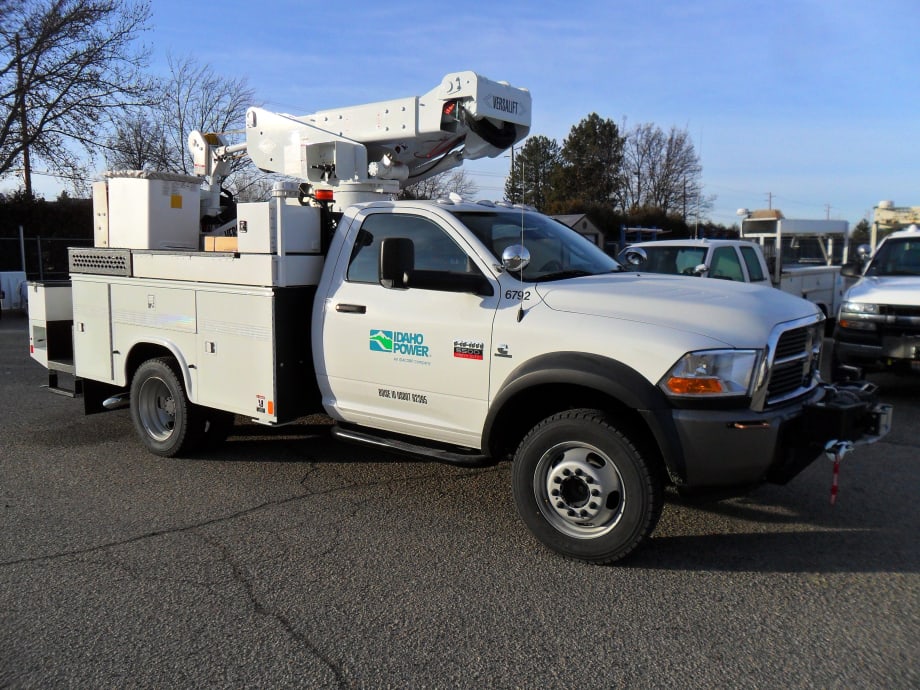
Idaho Power Company, one of the members of the Northwest Utility Fleet Managers Association, operates a fleet of 900 units that include this bucket truck.
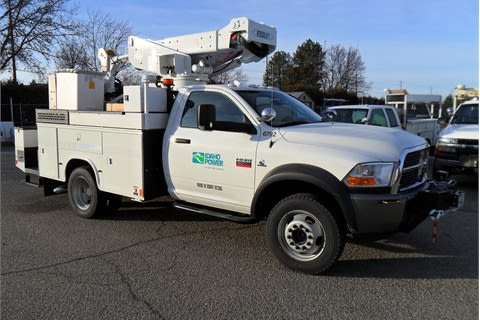
Idaho Power Company, one of the members of the Northwest Utility Fleet Managers Association, operates a fleet of 900 units that include this bucket truck.
At a Glance
Some topics of discussion at the Pacific Northwest Utility Fleet Managers' Association meetings include:
CSA 2010 compliance.
Standardizing equipment.
Best practices.
Technology implementation.
Vehicle spec'ing.
Fleet associations come in all varieties, and the Pacific Northwest Utility Fleet Managers Association, in comparison to other local associations, seems almost like an undercover group. Founded in 1990 and servicing utility fleet managers in Washington, Idaho, Montana, and Oregon, the association, unlike most others, has no officers, no website, no logo, and no corporate members. Rather, it’s a get-together of like-minded utility fleet managers who want to learn from each other.
There’s a friendly atmosphere at the meetings, said Jerry Olson, fleet manager from the Idaho Power Company. The group restricts its meetings to just fleet manager members, although rarely, it will have someone come in for a presentation. Fleet managers sometimes bring other fleet employees, or they’ll have a new member, but usually, the faces at meetings are familiar.
From discussions about regulations, to sharing ideas, to a new benchmarking project, the 43 fleet managers from fleets that are investor-owned, co-op, municipality, and public utility districts have come to rely on the face-time and education the association’s quarterly meetings provide.
More Similarities than Differences
While public and private fleets may face separate challenges, the association’s members find they have more similarities as utility fleets than they have differences.
Frank Castro, CAFM, transportation manager for Snohomish County Public Utility District (PUD) #1 in Everett, Wash., said one of the main reasons for these similarities is the type of equipment they manage.
“We’re all running the same types of equipment: aerial devices, digger derricks, cranes,” Castro said. “We have similar issues as far as maintenance, costs, and reliability.”
“The top priority for every fleet is safety,” Olson said. “If a bucket truck fails and it’s 50 feet in the air, the outcome is usually death. For everybody, that’s our top priority. What are you doing on your inspections? How are you making sure that you’re compliant? How do you know your truck is really safe?”
And then of course, these fleet managers face the same types of problems that all fleets face, utility or otherwise: pleasing customers and providing them with the vehicles that best match their requests, Castro said.
One noted difference between the public and private agencies is recordkeeping for Federal Motor Carrier Safety Administration (FMCSA) regulations. Because many privately owned utilities are larger and cross state lines, they’re included in FMCSA regulations that include extensive record-keeping. Smaller regional utility companies with smaller service territories may not fall under the same requirements. This is a current topic of discussion for the association.
Another difference could be accounting schemes, Castro pointed out, although the line isn’t necessarily drawn between public and investor-owned. As he sees it, unlike most city or county government fleets set up as internal service funds, most utility fleets in the association use cost-clearing accounts and don’t charge the customer department directly.
Initiating a Benchmarking Project
The group’s biggest project right now is a benchmarking study among association members. The initiative began three years ago, and it continues to evolve.
“We all do things differently, and [we’re] trying to develop a methodology that is somewhat consistent among the utilities here so it’s easy to do the benchmarking,” said Mike Richardson, manager, Fleet Services, Puget Sound Energy.
Because the group’s diversity can make this a cumbersome project, the group elected to start with six basic key performance indicators (KPIs): preventive maintenance (PM), compliance, planned versus unplanned work, productivity, direct versus indirect labor, and road calls.
[PAGEBREAK]
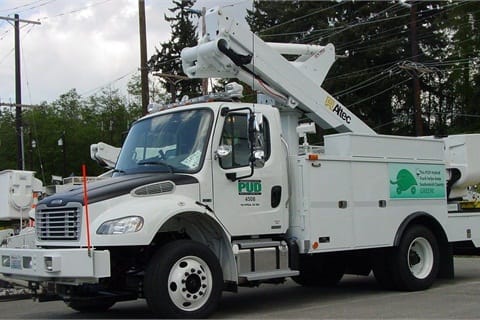
Pictured is a Snohomish County PUD #1 hybrid bucket trucks.
“We realize there are different accounting schemes among organizations, but at the same time, we also realize the value of being able to see: Where are we in the industry? Are our costs higher? Are our costs lower? Exactly what KPIs [key performance indicators] are we measuring that are alike, and we can compare and see who’s doing really well and what we might be able to do to get to that level of performance?” Castro said.
Group members report to each other during meetings and discuss, if applicable, why there are anomalies in their data — and whether that lies in the way they’re measuring the data.
“I’d like to see it expand, but we’re taking baby steps right now,” Castro said.
What’s the Take-Away?
In addition to benchmarking, other topics of discussion that resonate with association members are CSA 2010 compliance, standardizing equipment, best practices, technologies such as backup cameras and alarm systems, and specs.
Richardson pointed out that sessions dedicated to spec’ing for those fleet employees who handle specs have been beneficial for his fleet. These sessions allow the spec person to discuss very specific details with others who are doing the same thing.
One recent discussion topic proved to be especially beneficial for Richardson — the installation of doors in service truck buckets. One of the members implemented them, and the group discussed how that was done and how the fleet manager worked with the manufacturer to develop these buckets. The door had to be specially built so the chances of it accidentally opening are minimized, and it had to be designed in a way that would keep the insulating properties of the bucket, Richardson said.
His utility has expressed some interest in these types of buckets.
“It would help us considerably, if we move in that direction, to [talk to] somebody who’s already done that,” Richardson said.
While learning from others is important, sharing information that may be useful to others is a must. Castro shared with the association a comprehensive business plan that he put together for stakeholders. The business plan aimed to demonstrate value to stakeholders and included the services fleet offered, including assumed services such as vehicle maintenance, chargebacks, and what the fleet is tracking that means something to the stakeholder.
“Maybe [stakeholders] don’t know about preventive maintenance (PM) compliance. This is what PM means to you: better equipment and reliability, lower cost, and more efficient, proactive fleet operations,” Castro said. “It was really sharing an approach to a business plan that others might be able to use in some way.”
Benefitting From a Specialized Group
Like many other fleet associations, a member hosts one of the quarterly meetings for the day, and the meeting place rotates around the Northwest. The group includes members from four states, making travel time a concern for some. “You get better attendance in the Washington area because there are quite a few PUDs around there,” Olson said. “We’re bound to the economy. When budgets get tight, travel gets tight.”
However, he added that members usually try to attend two to three times annually.
“The unique thing about this [association], the value I get, is it really focuses on the utility industry and what our core business is,” Castro said. “We have a dynamite group of fleet managers who are into it and want to make their organizations better.”
Castro first joined the group when he became the fleet manager of Tacoma Power in Washington in 2000. Richardson started attending meetings as soon as he got started in fleet, following the footsteps of the prior fleet manager, who was a member. Olson is the fifth generation of fleet managers in the Idaho Power Company (that he knows of) to join the group. When he was named the fleet manager four years ago, he immediately joined.
“It’s always light hearted and down to earth. We talk about what kind of issues we’re facing and what you do versus what I do,” Olson said. “Everybody gets along and everybody has a good time.”
[PAGEBREAK]
Participating Members
Jerry Olson, fleet manager, Idaho Power Company
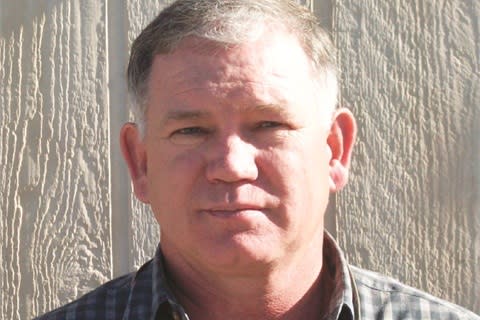
Jerry Olson, fleet manager, Idaho Power Company
● Type of utility: Investor-owned electric utility
● Rolling stock: 900 units
● Service area: 24,000 square miles
● Service region: Southern Idaho and eastern Oregon
● Customers: 495,570
● Maintenance stats: 5 maintenance facilities, 19 technicians
Mike Richardson, manager, Fleet Services, Puget Sound Energy
● Type of utility: Investor-owned electric and natural gas utility focusing on first-responder service
● Rolling stock: 1,300 units
● Service area: 6,000 square miles
● Service region: Western Washington
● Customers: 1.85 million
● Maintenance stats: Outsources all maintenance to local shops and dealers
Frank Castro, CAFM, transportation manager, Snohomish County PUD #1

Frank Castro, CAFM, transportation manager, Snohomish County (Wash.)
● Type of utility: Water and electric public utility district (PUD)
● Rolling stock: 550 units
● Service area: 1,600 square miles
● Service region: Snohomish County and Camano Island
● Customers: 300,000
● Maintenance stats: 1 maintenance facility, 21 technicians
In addition to:
Avista Corporation, Spokane, Wash.
Benton County PUD #1, Kennewick, Wash.
BPA Bonneville Power Administration, Vancouver, Wash.
Chelan County PUD, Wenatchee, Wash.
Clallam County PUD, Port Angeles, Wash.
Clark Public Utilities, Vancouver, Wash.
Clearwater Power Company, Lewiston, Idaho
Consumers Power Inc., Philomath, Ore.
Cowlitz County PUD #1, Longview, Wash.
Eugene Water & Electric Board, Eugene, Ore.
Ferry County PUD #1, Republic, Wash.
Flathead Electric Cooperative, Kalispell, Mont.
Franklin County PUD, Pasco, Wash.
Grant County PUD, Ephrata, Wash.
Idaho Power Company, Boise, Idaho
Klickitat PUD, Goldendale, Wash.
Kootenai Electric Cooperative, Hayden, Idaho
Lane Electric Cooperative, Eugene, Ore.
Mission Valley Power, Baker City, Ore.
Northwest Natural Gas, Lake Oswego, Ore.
Okanogan County PUD, Okanogan, Wash.
Oregon Trail Electric Cooperative, Baker City, Ore.
Pend Oreille County PUD, Newport, Wash.
Peninsula Light Company, Gig Harbor, Wash.
Portland General Electric, Tigard, Ore.
Puget Sound Energy, Kent, Wash.
Seattle City Light, Seattle
Snohomish County PUD #1, Everett, Wash.
Tacoma Public Utilities, Tacoma, Wash.
Sources:
Frank Castro, CAFM, transprtation manager, Snohomish County (Wash.) PUD #1
Jerry Olson, fleet manager, Idaho Power Company
Mike Richardson, manager, Fleet Services, Puget Sound Energy (Wash.)
More Safety
e-con Systems Expands AI Camera Tools for Traffic Monitoring
The systems support license plate recognition, traffic analytics, and video management for transportation agencies.
Read More →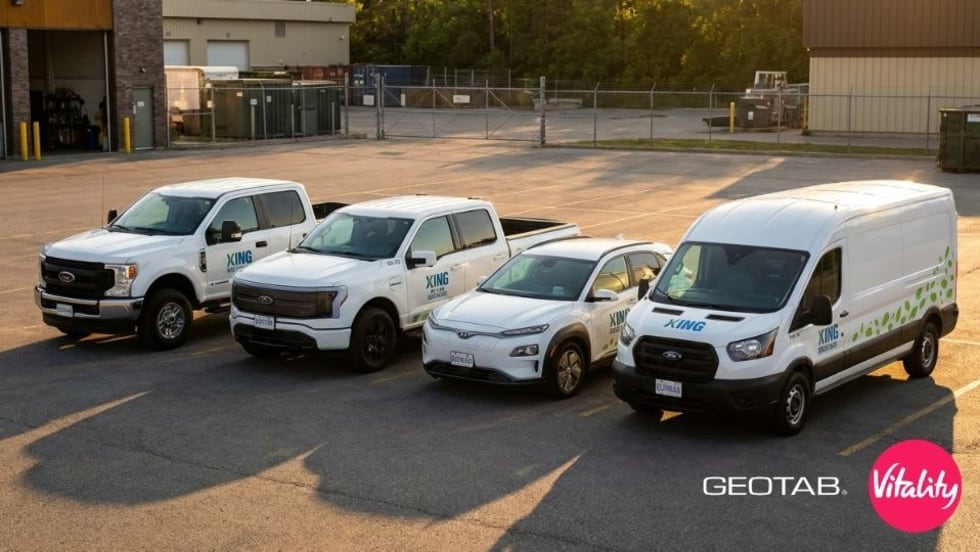
King Township Pilot Links Driver Feedback to Reduced Speeding
How King Township, a best-in-class municipal fleet, reduced speeding by 10.9% and demonstrated a projected 349% ROI by putting safety ownership directly in drivers' hands.
Read More →
Beyond the Fireline: The Critical Role of Public Fleets in Wildfire Response
Behind every wildfire response is a complex network of vehicles, data, and decisions that must work in sync under extreme pressure. Global heating trends require strong fleet coordination and reliable communications to keep crews safe and operations running smoothly.
Read More →
How AI Is Transforming Public Fleet Safety - Part 1
AI-powered safety systems are helping public fleets tackle distracted driving by delivering real-time coaching and measurable behavior change behind the wheel. In part one of our Q&A, Nauto CEO Stefan Heck explains how agencies can improve safety, reduce costs, and navigate implementation challenges with AI-driven technology.
Read More →
Reducing Risk and Improving Safety in Public Sector Fleets with Advanced Driver-Assist Technology
Public sector fleets face increasing pressure to improve safety, reduce liability, and operate efficiently. See how advanced vehicle technologies are helping agencies protect drivers, the public, and their budgets.
Read More →
3 Ways Fleet Tech Builds Public Trust
Managing a state or local fleet comes with levels of accountability private companies don’t have. Read how modern fleet technology helps elevate visibility and safety to strengthen community trust.
Read More →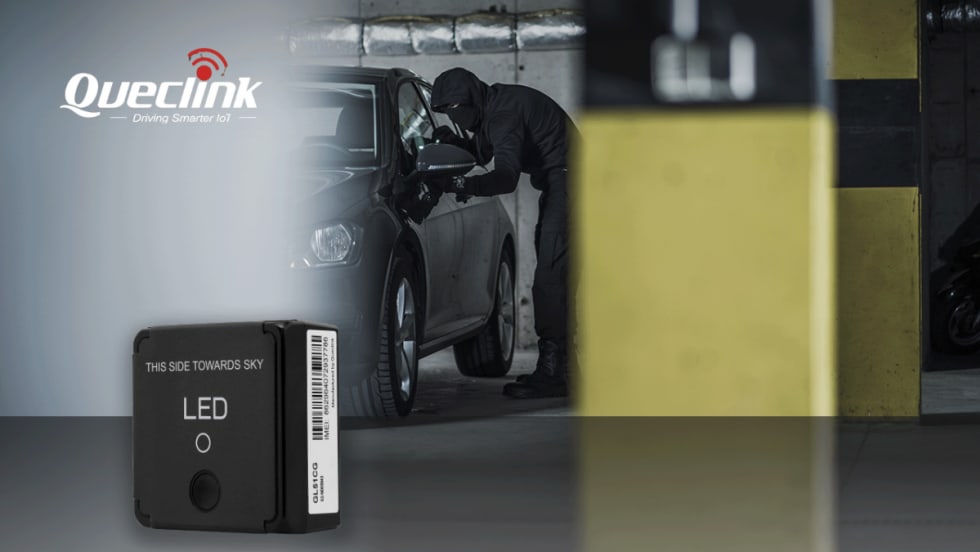
Tracker Innovation From Queclink to Boost Stolen Vehicle Recovery Performance
Queclink has introduced a backup telematics device designed to support stolen vehicle recovery by activating only when a primary tracker is disabled, helping fleets and financing providers respond more quickly to theft.
Read More →
First Response Fleets: 10 Takeaways for 2026
A practical look at what first response fleet leaders can apply right now, with clear guidance for making stronger decisions throughout 2026.
Read More →
Holiday Travel Surge: What Government Fleet Managers Need to Know About Increased Road Risks
As year-end travel reaches record levels, fleet managers must anticipate increased road congestion and safety challenges for government vehicles and drivers.
Read More →
How Government Fleets Can Reduce Distracted Driving: Key Takeaways
Crashes, near misses, and costly collisions still occur every day. How agencies can better protect their drivers, roadside workers, and communities.
Read More →