Standardized Telematics System: Working Toward ISO Certification
Two industry associations representing equipment fleet managers and heavy equipment manufacturers have continued to make progress toward a standardized telematics data system, and the two groups in recent months have made progress toward gaining International Organization for Standardization (ISO) certification as part of the project.
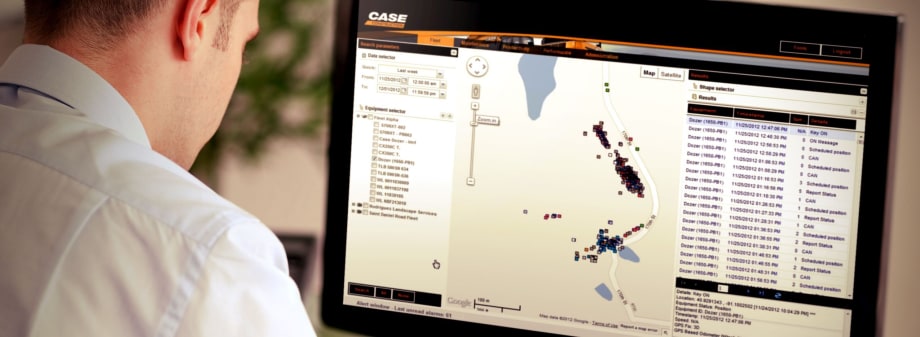
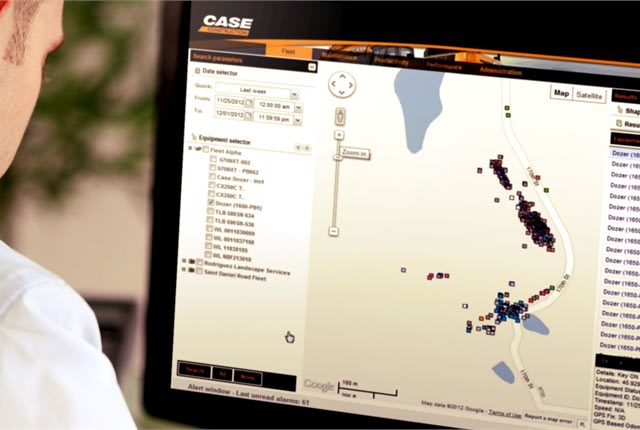
Stan Orr, president and chief staff officer of the Association of Equipment Management Professionals (AEMP), said that until 2008, equipment managers with mixed fleets of equipment from different manufacturers had to go to the Websites of each equipment manufacturer to receive telematics data.
“And everyone has a mixed fleet,” Orr said.
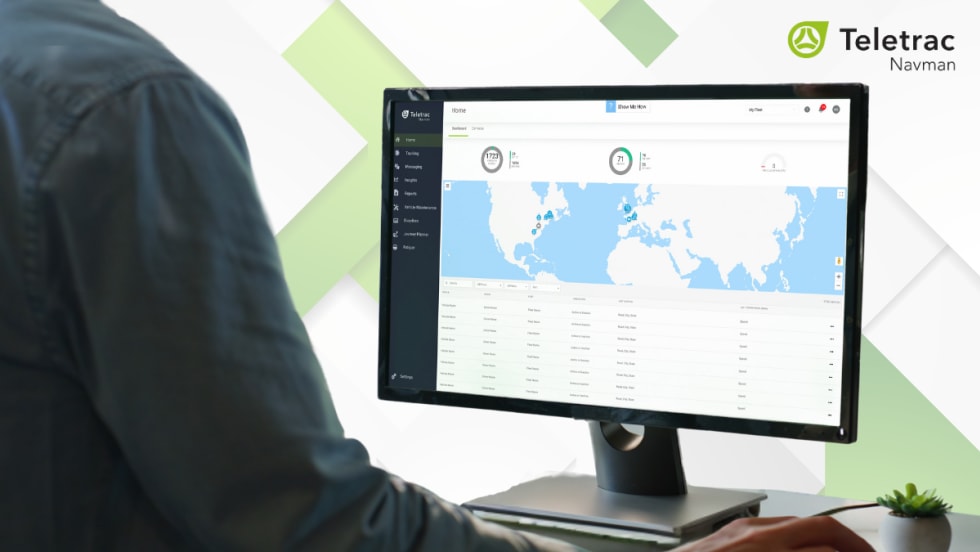
In 2008, AEMP met with the major OEMs to develop a standard that would allow a government fleet manager to view all of his or her fleet’s assets on essentially one page of a computer screen. Caterpillar, John Deere, Volvo, and Komastu were the equipment manufacturers that agreed to assist AEMP, and the standards could be found at aemp.org.
The project gained global attention in 2013, when the Association of Equipment Manufacturers (AEM) joined AEMP to assist in expanding the standard. Since then, organizations such as German-based VDBUM have agreed to assist. With the emergence of a possible competing standard from Japan, and because the manufacturers’ software was so diverse in design, AEMP and AEM decided about seven months ago to seek a global standardization from the ISO.
Orr said the ISO standard should be completed and in place by the end of 2015. “At that point, the manufacturers can feel comfortable that they built their systems to meet this standard, and that the standard won’t be changing all the time,” Orr said.
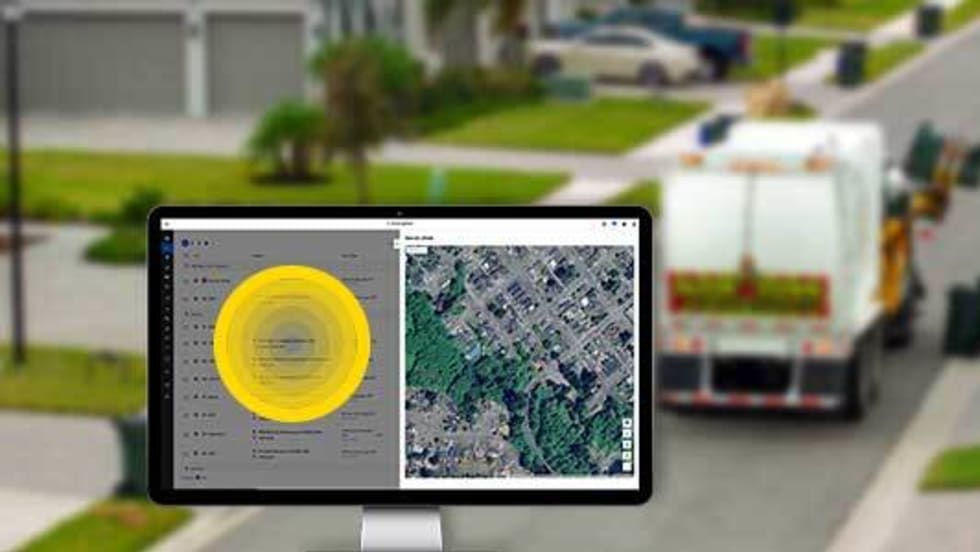
Once this second version (with 19 data points versus the previous version’s five) is approved, fleet managers will be able to download the standard and work with their IT departments or third-party providers to pull the data onto the same screen.
Bill Depew, fleet manager for the Parish of Ascension in Louisiana, has been working with vendors on a solution to this very problem. He said once he obtains the API from the vendors, GeoTab, the county’s telematics vendor, will work with fleet to integrate heavy equipment telematics into its existing GPS monitoring interface.