




Year-Long Minneapolis Green Fleet Policy Cuts Fleet Size, Pollution
MINNEAPOLIS - Government Fleet spoke to the City of Minneapolis' Fleet Services one year after its green fleet policy implementation. Fleet Services reports a decrease in fleet size and potential savings in reduced fuel consumption.
MINNEAPOLIS - In March 2011, the City of Minneapolis approved a Green Fleet Policy that aimed to reduce and inventory fleet vehicle emissions, optimize fleet size, and ensure low-emission vehicle procurement. One year later, John Scharffbillig, director of fleet services, and Al Thunberg, fleet manager, talked to Government Fleet about what Fleet Services has been able to accomplish so far.
One of the policy goals was to meet with all user departments (from bi-weekly to quarterly depending on the customer) to discuss utilization and to see if any departments could reduce their fleet sizes. Thunberg said Fleet Services gathers information for each vehicle used by each division, breaking down costs such as lease rate, fuel consumed, and maintenance costs. He then meets with the department to go over the numbers.
"By putting this report together, showing them their real cost for the calendar-year of each vehicle along with annual utilization, whether it's in miles or hours put on the piece of machinery, it really is great information for them to look at," Thunberg said. User departments see, "here's a unit that's not getting used very much, but it's still costing a few thousand dollars per year to have," he said.
Thunberg elaborated, "When they start seeing a few of these here and there, they're able to think about...how they can consolidate vehicles within their operation and overall, reduce the number of units, increasing the utilization of the ones they have and reducing their overall costs."
Fleet Services was able to recommend reductions based on annual utilization. Due to the small geographical size of the city and the possibility of high-frequency, low mileage use for some departments, Fleet Services defers the decision to those users.
While unable to comment on the number of vehicles reduced through this method, Scharffbillig said a conservative estimate was about a 5-8 percent reduction.
As also outlined by the policy, Fleet Services has created and maintains a vehicle inventory list. According to Scharffbillig, the inventory list has been completed, listed based on year, make, model, and type of fuel. The vehicle inventory list reports the City operates 1,700 on-road vehicles and equipment. Of these, 402 are flex-fuel vehicles, 71 are hybrid vehicles, five run on electricity, and approximately 300 diesel vehicles run on some type of biofuel.
Other green policy changes include purchase of smaller, more fuel-efficient vehicles. Using the EPA's SmartWay guide, the City has transitioned from purchasing the Chevrolet Impala to the Ford Focus as City's standard sedan. Scharffbillig stated that the Focus' cleaner-burning engine and small size also allowed the City to purchase less hybrids, reducing vehicle purchasing costs and operating cost.
"We're looking at it as an overall standardization. Standardizing our fleet, from a training perspective for our technicians and operators, reduces our cost," he said. In addition, a standard fleet of Focuses will reduce parts room inventory.
Smaller, more fuel efficient vehicles can additionally result in reduced gasoline consumption. The City experienced two emergencies in 2011, leading to prolonged use of vehicles for road plowing and tornado restoration, but barring any unforeseen natural disasters this year, the change in vehicles could lead to decreased fuel consumption.
Fleet Services is also using environmentally friendly maintenance products, including vehicle cleaning soaps, recycled and reused paper products, filter cleaners and cutters, recycled oil, and up to 20 percent biofuel.
Further, the City plans to have three solar-powered electric vehicle charging stations open to the public within the next month. Fleet Services already has one installed and running for its own vehicles, Scharffbillig said.
More Fuel

Clean Energy to Build Hydrogen Station for Orange County Transportation Authority
The new station will support the agency’s growing fleet of zero-emission hydrogen fuel cell buses.
Read More →
How Fleet Managers Reduce Fuel Waste and Protect Budgets
When fuel prices swing, fleet averages don’t tell the whole story. This white paper helps fleet and operations leaders uncover where fuel waste really hides and what data they need to build a smarter, more resilient fuel strategy.
Read More →
Planning for Future Technologies: Hydrogen and Beyond
As public agencies work to cut emissions from off-road operations, fleets are turning to a mix of renewable fuels, hybrid systems, battery-electric equipment and emerging hydrogen technology.
Read More →
RoadFlex Expands Fuel Network with Refuel Partnership
RoadFlex expands its fueling network for public sector fleets through a new partnership with Refuel, adding more than 250 locations across the Southeastern U.S. to improve access, savings, and efficiency.
Read More →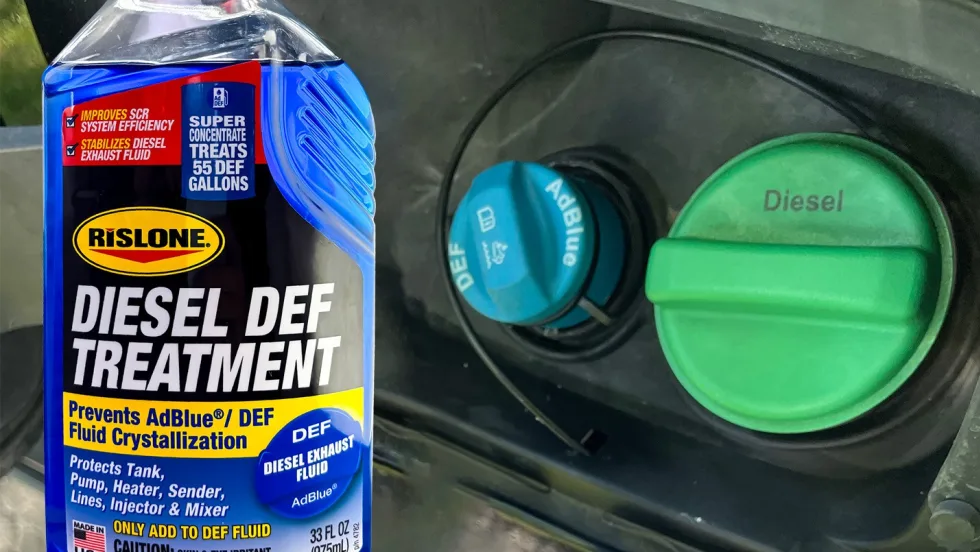
Rislone DEF Treatment Designed to Keep Diesel Exhaust Fluid Crystal-Free
Rislone is rolling out a super-concentrated version of its Diesel DEF Treatment that is designed to stabilize and improve diesel exhaust fluid.
Read More →
Are Bi-Fuel Propane Autogas Vehicles Making Law Enforcement Fleets More Resilient, Cost-Effective?
How a Florida sheriff office’s choice in fuel system led to a healthier budget, increased resiliency, and decreased emissions.
Read More →
Fleets All-In On Fuel Management Tech
Fuel management can become a tricky obstacle, but smart strategies and new tech have turned it into a well-oiled machine where price prediction is art, and cost control is science.
Read More →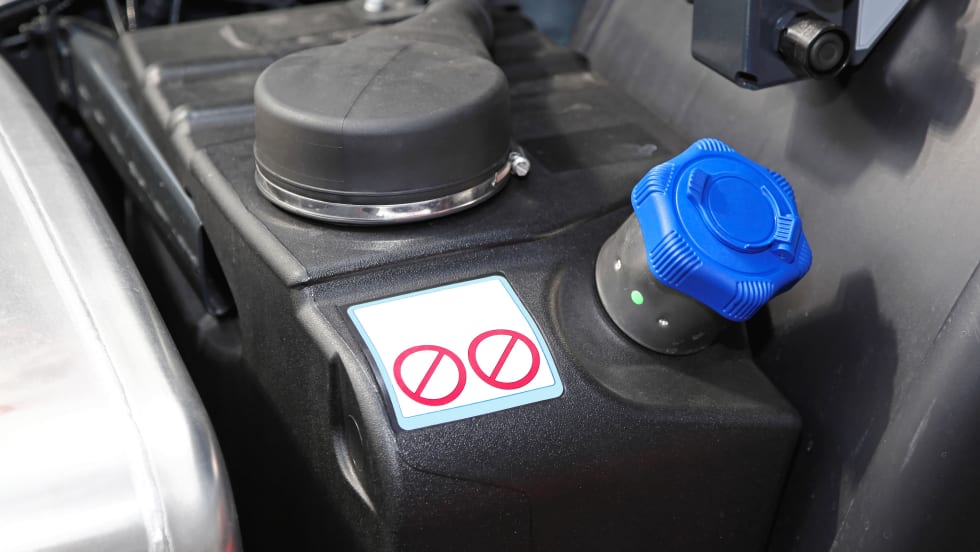
Prepare Diesel Trucks for Winter with Diesel Exhaust Fluid
Understand proper DEF purchasing, handling, and storage practices in order to meet regulatory requirements and operates at peak performance.
Read More →
Diesel Exhaust Fluid (DEF) Locator
Yara, a diesel exhaust fluid (DEF) producer, offers a DEF locator website to help get the fluids fleets need.
Read More →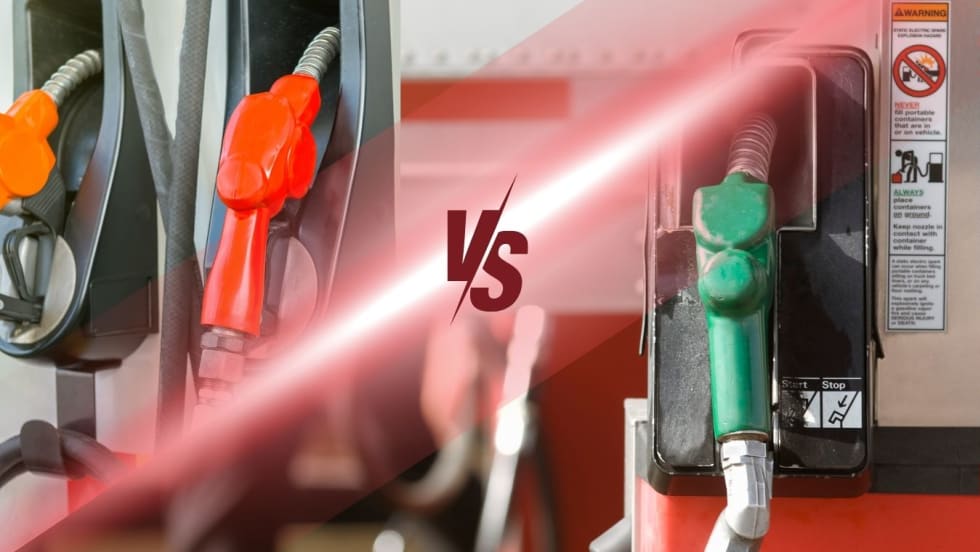
Gas vs. Diesel: The Bad Investment Only Fleet Managers Know About
A major point of debate in fleet management is using diesel vs. gas cars and trucks. Choosing to purchase gasoline engines instead of diesel ones for medium-duty trucks may be an unpopular decision, but is it the right one?
Read More →