




Mich. DOT Expands Wing Plow Use
Wing plows are typically deployed on the right side of a standard plow truck, extending the plow's reach and allowing a driver to clear about 14 feet in one pass instead of 9-10 feet.

The Michigan DOT's Upper Peninsula plowing fleet and the Marquette County Road Commission began using wing plows to clear active lanes of traffic, as well as shoulders. Photo via MDOT
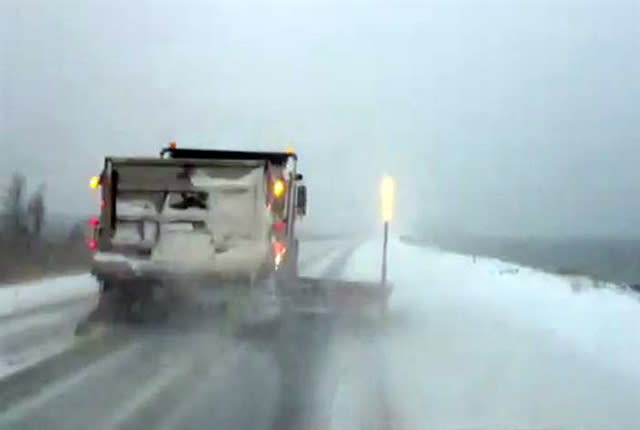
The Michigan DOT's Upper Peninsula plowing fleet and the Marquette County Road Commission began using wing plows to clear active lanes of traffic, as well as shoulders. Photo via MDOT
The Michigan Department of Transportation (MDOT) and the Marquette County Road Commission in the Upper Peninsula have expanded their use of wing plows to plow more efficiently.
Wing plows are typically deployed on the right side of a standard plow truck, extending the plow's reach and allowing a driver to clear about 14 feet in one pass instead of 9-10 feet. Using the wing plow, crews can clear both the travel lane and shoulder in one pass, reducing the number of passes needed to clear the road during and after a winter snow event. This improves service while cutting labor, equipment, and fuel costs, according to the agency.
MDOT's Upper Peninsula plowing fleet has begun using wing plows to clear active lanes of traffic, as well as shoulders. The Marquette County Road Commission also has been approved to use wing plows on state routes. To improve safety, additional flashing lights mounted over the wing plow alerts motorists.
"With decreases in funding and increasing costs, we're always looking to improve efficiency in our winter maintenance practices," said MDOT Superior Region Engineer Randy Van Portfliet. "But safety remains our top priority. These new lighting systems for wing plows will help us remove snow more efficiently while increasing motorist safety."
Motorists in Marquette, Baraga, Mackinac and Houghton counties will begin seeing wing plows with the new lighting systems clearing active lanes of traffic on state highways.
More Equipment
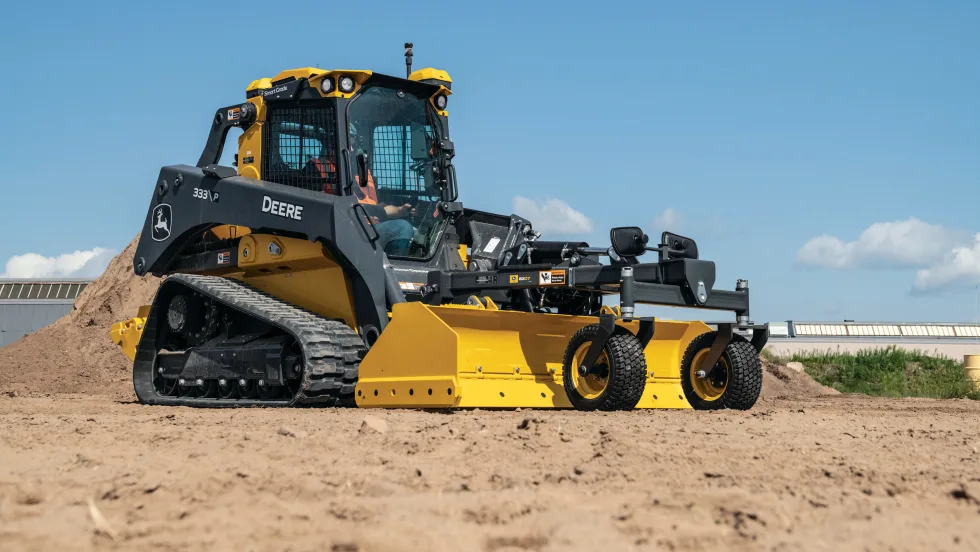
John Deere Adds SmartGrade Box Blades, Fire Suppression Option
John Deere is expanding the capabilities of its compact track loaders with new grading attachments and an equipment protection option. The additions include two SmartGrade box blades for the 333 and 335 P-Tier models and an integrated fire suppression system for large-frame machines.
Read More →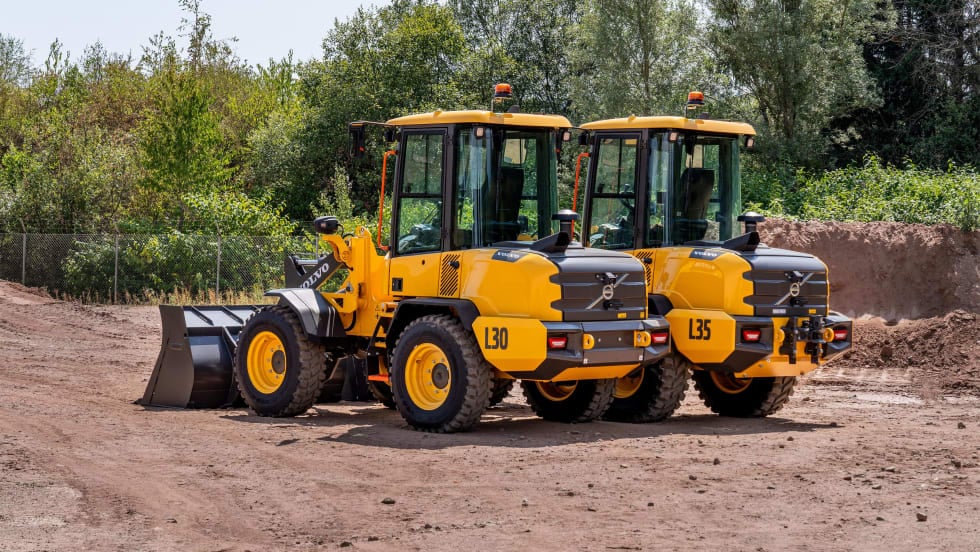
Volvo Updates L30 and L35 Compact Wheel Loaders With Redesigned Rear Frame
The updates aim to provide customers with more flexibility to use the machines for different jobs while improving service access and everyday operation.
Read More →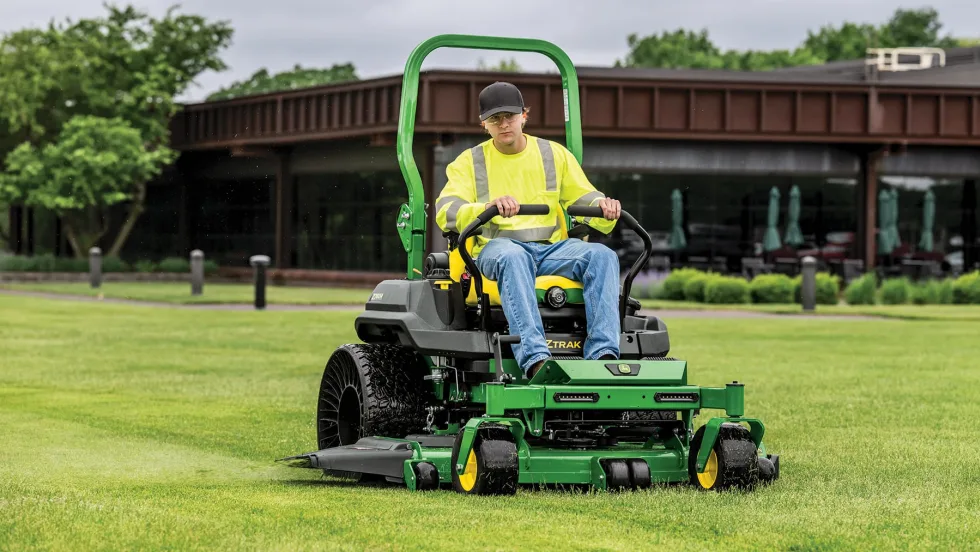
John Deere Updates Z700 ZTrak Commercial Mower Lineup
Public agencies responsible for maintaining large properties have several updated mower options from John Deere. The refreshed Z700 ZTrak lineup adds upgraded engines, transmissions, mower decks, and operator features across four models.
Read More →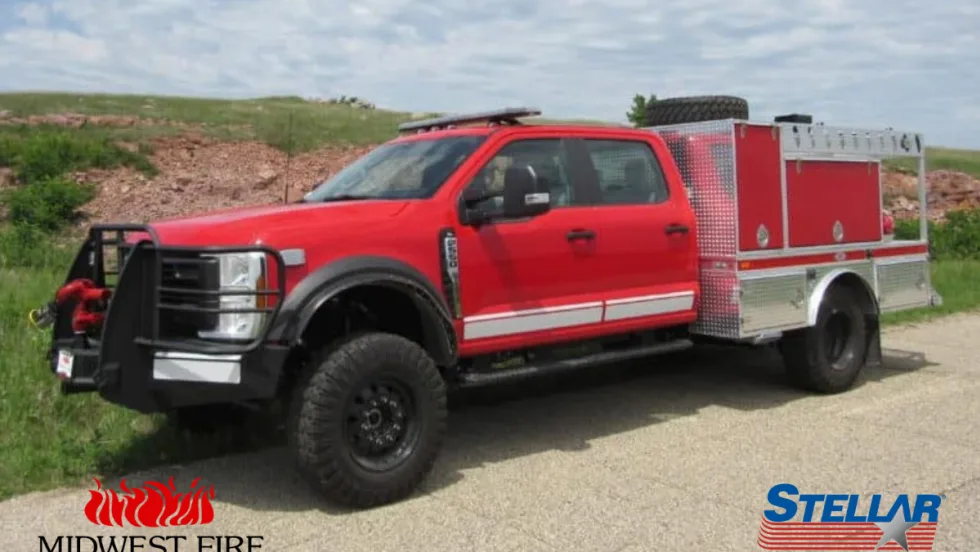
Stellar Industries Acquires Midwest Fire
The acquisition brings a manufacturer of custom fire apparatus under Stellar Industries, expanding the work-truck manufacturer into the fire and emergency response market. Midwest Fire will continue operating from its existing Minnesota headquarters as a distinct company.
Read More →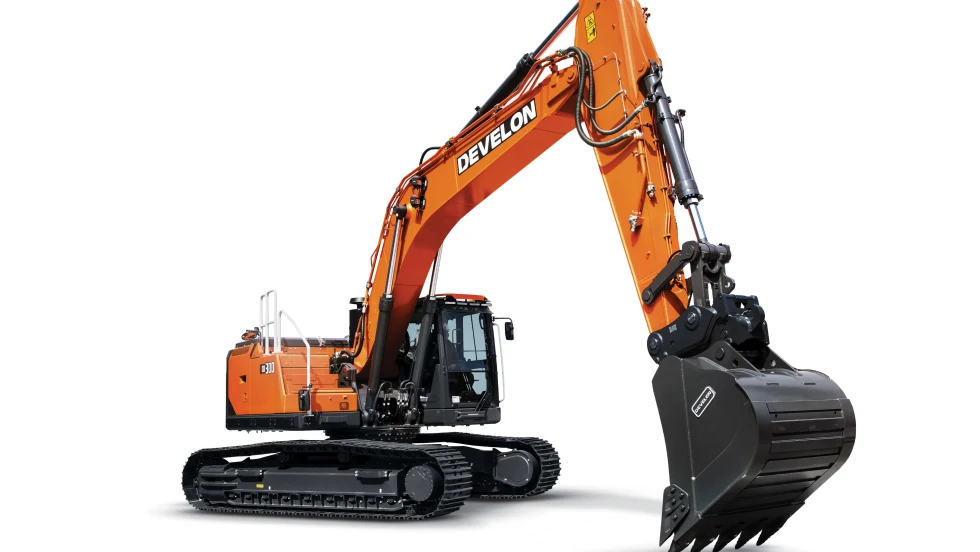
DEVELON Adds DX300LC-9 Excavator to -9 Series
For public works operations handling infrastructure, road, and utility projects, DEVELON has added a new 33-metric-ton excavator to its equipment lineup. The DX300LC-9 combines updated controls with technology designed to address operator safety, equipment monitoring, and machine operation.
Read More →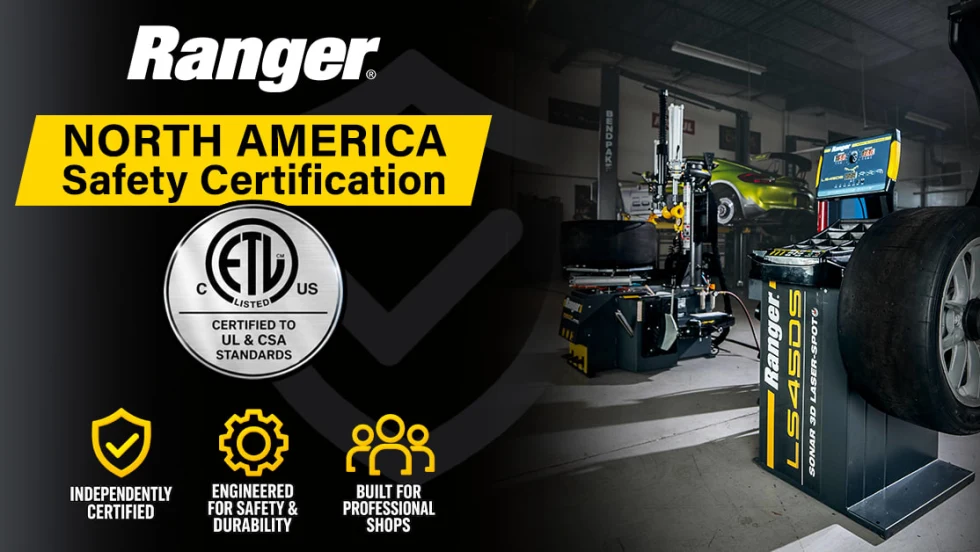
BendPak Ranger Wheel Service Equipment Receives Safety Certification
Equipment used every day in fleet maintenance shops comes with its own set of safety considerations. Following an 18-month redesign and testing process, BendPak's Ranger tire changers and wheel balancers have received certification to applicable U.S. and Canadian safety standards.
Read More →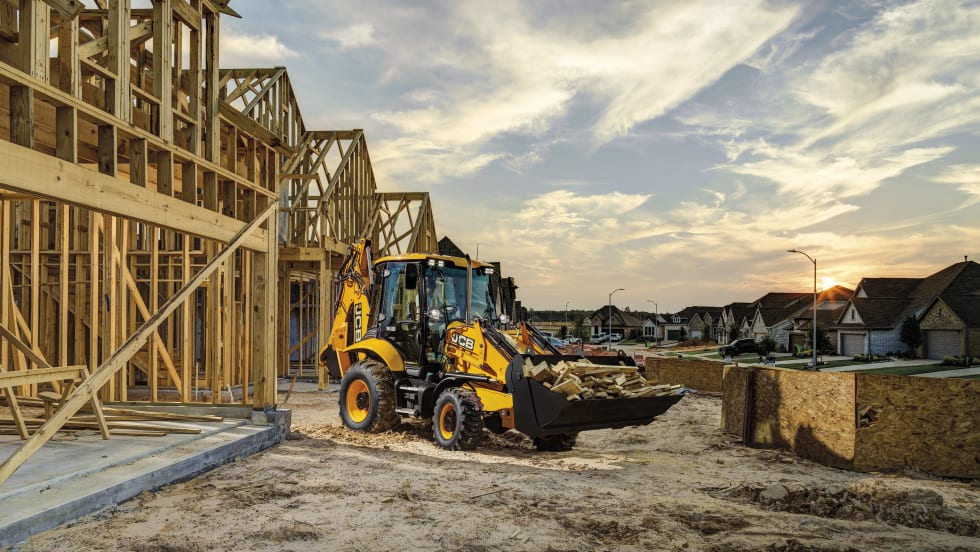
JCB Introduces Dual Drive System for Backhoe Loaders
Public works operators traditionally switch positions and controls each time they reposition a backhoe during excavation. JCB's new Dual Drive system is designed to allow operators to move the machine while remaining at the excavator controls.
Read More →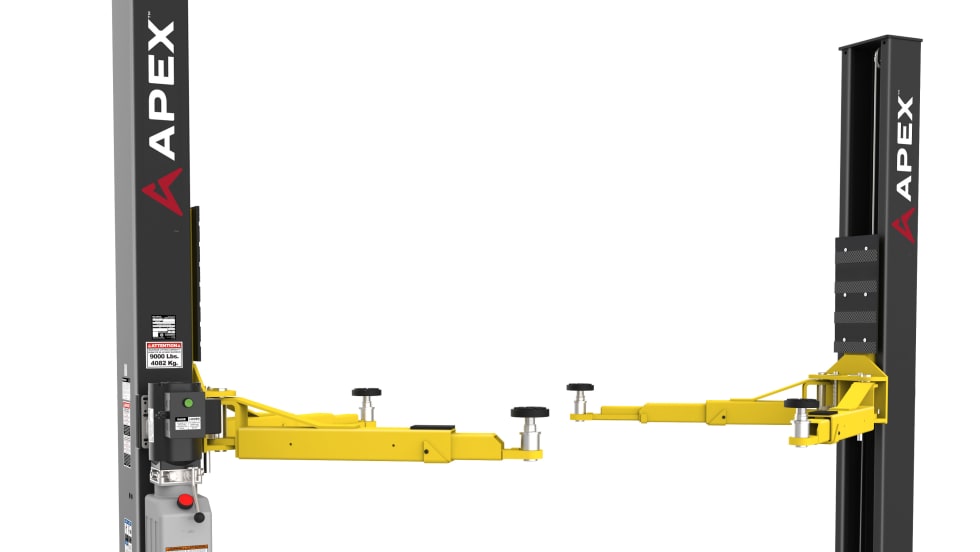
APEX by BendPak Launches AL9LC Two-Post Lift
The new low-ceiling floorplate car lift is designed to maximize overhead clearance for fleets.
Read More →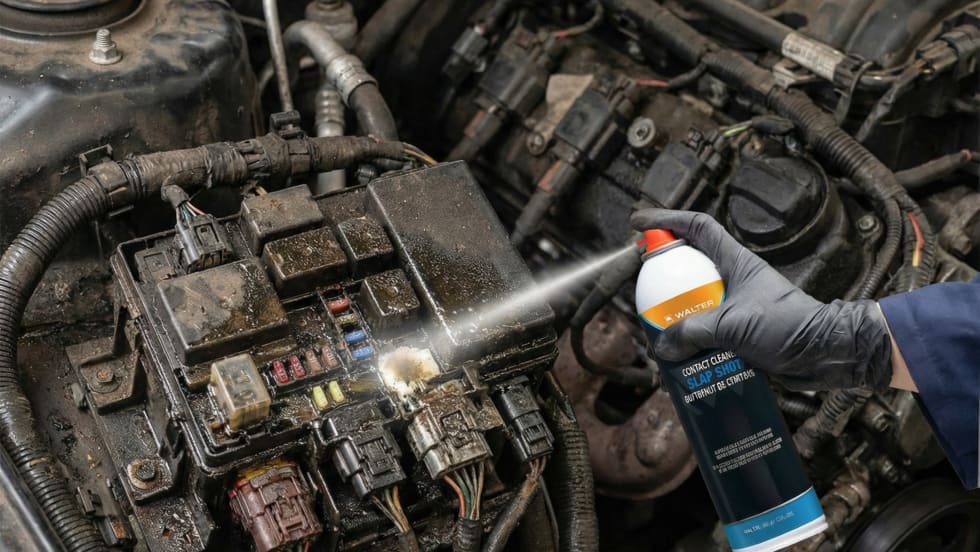
New Slap Shot Contact Cleaner: Heavy-Duty Cleaning Power Without the Residue
Slap Shot Contact Cleaner combines fast contaminant removal, rapid evaporation, moisture displacement, no-wipe cleaning, non-conductive performance, and residue-free cleaning into a single solution.
Read More →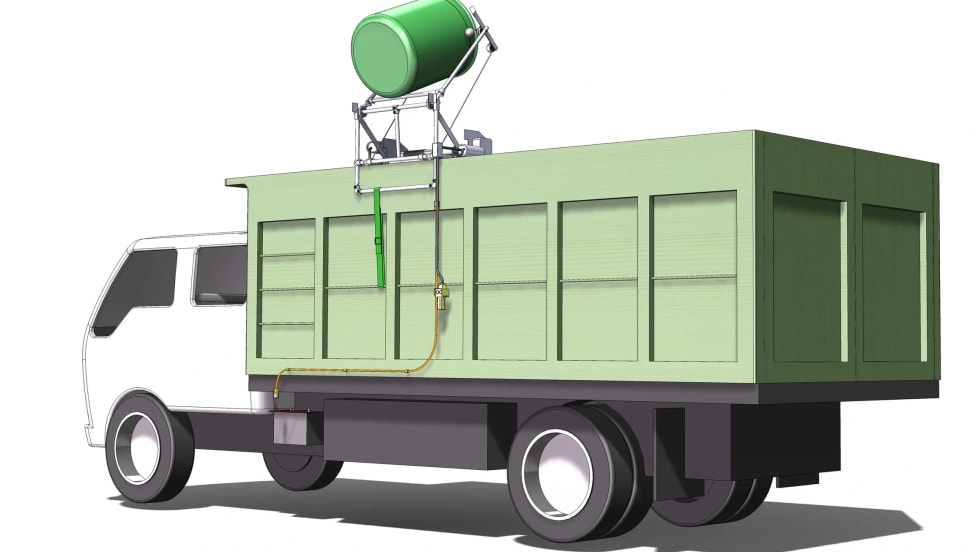
New Powered Carry Barrel Lift Helps Crews Dump Heavy Barrels Into Trucks With Less Manual Lifting
The Carry Barrel Lift is a new truck-mounted attachment designed to help landscape and municipal crews lift and dump heavy 60-gallon barrels more efficiently while reducing manual strain.
Read More →