




Tennessee Golf Course Purchases All-Electric Equipment
Using funds provided by the Clean Tennessee Energy Grant program, a State of Tennessee-operated golf course replaced gasoline-powered equipment with battery-powered options including greens and approach mowers, bunker rakes, greens rollers, and utility vehicles.

The Bear Trace at Harrison Bay Golf Course purchased seven Jacobsen ECLIPSE 322 riding greens mowers, among other all-electric equipment. Photo courtesy of Jacobsen.
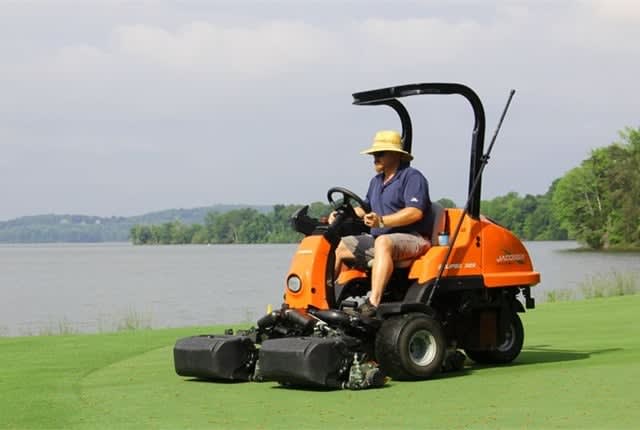
The Bear Trace at Harrison Bay Golf Course purchased seven Jacobsen ECLIPSE 322 riding greens mowers, among other all-electric equipment. Photo courtesy of Jacobsen.
On May 21, officials from the State of Tennessee unveiled new electric golf course equipment at the Bear Trace at Harrison Bay Golf Course outside Chattanooga. Using funds provided by the Clean Tennessee Energy Grant program, the Bear Trace at Harrison Bay replaced gasoline-powered golf course equipment with battery-powered options including greens and approach mowers, bunker rakes, greens rollers, and utility vehicles.
According to Jacobsen, the equipment includes seven Jacobsen ECLIPSE 322 all-electric riding greens mowers. Superintendent Paul Carter and his team are using three of the ECLIPSE mowers to maintain greens and four to mow tees and surrounds.
Overall, officials expect the new electric equipment to provide an estimated 300% decrease in annual operating expenses and a 30% reduction in carbon dioxide (CO2) emissions. The electric equipment is virtually silent when it operates, minimizing noise that could disturb both golfers and wildlife. Additionally, there are no fluids to manage, such as hydraulic or other automotive fluids, reducing potential impacts to vegetation and ground water, while also reducing staff resources.
"This initiative is the first of its kind at a Tennessee State Parks golf course," said Department of Environment and Conservation Commissioner Bob Martineau.
Funding for the Harrison Bay project comes from an April 2011 Clean Air Act settlement with the Tennessee Valley Authority. Under the Consent Decree, Tennessee will receive $26.4 million over five years to fund clean air programs in the state (at approximately $5.25 million per year). As part of the grant program’s initial offering, a total of $5.3 million in Clean Energy Grants was awarded in 2012 to a variety of projects within state government, municipalities, utilities, state colleges, and universities and communities throughout the state.
According to TDEC’s Office of Sustainable Practices, the project has similar benefits as those touted for electric vehicles, further multiplied in the fact that lawn mowers and other small engines do not have the same pollution control measures required of larger pieces of equipment with internal combustion engines. The first EPA requirements for lawnmowers began in 1997 and much of the replaced equipment at Harrison Bay predated those pollution reduction measures.
More Green Fleet

Hawaii Passes Clean Fuel Policy
Hawaii lawmakers passed clean fuel legislation that could support renewable natural gas production, biogas-powered transportation, and lower-carbon fueling options for public and commercial fleets.
Read More →
Are You Tracking Your Fleet's True Total Cost of Ownership?
Bobit Business Media surveyed 190 fleet professionals and found that while most fleets are tracking costs, fragmented systems and data gaps are keeping true TCO visibility out of reach. With rising pressure to control spend in an increasingly volatile environment, the gap between what fleets think they know and what the data actually shows is wider than you might expect. See how your peers are managing costs today and where the industry still has room to improve.
Read More →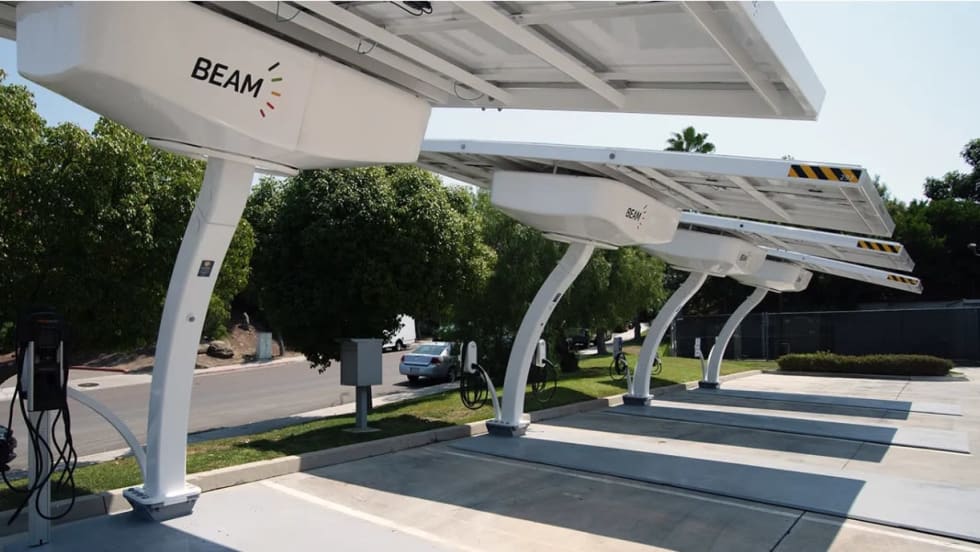
Stanislaus County Deploys Ten Beam Global EV ARC Systems to Support County Fleet Electrification
Stanislaus County deployed 10 off-grid solar-powered EV charging systems and a mobile charging trailer from Beam Global to support its electric fleet operations and emergency response flexibility.
Read More →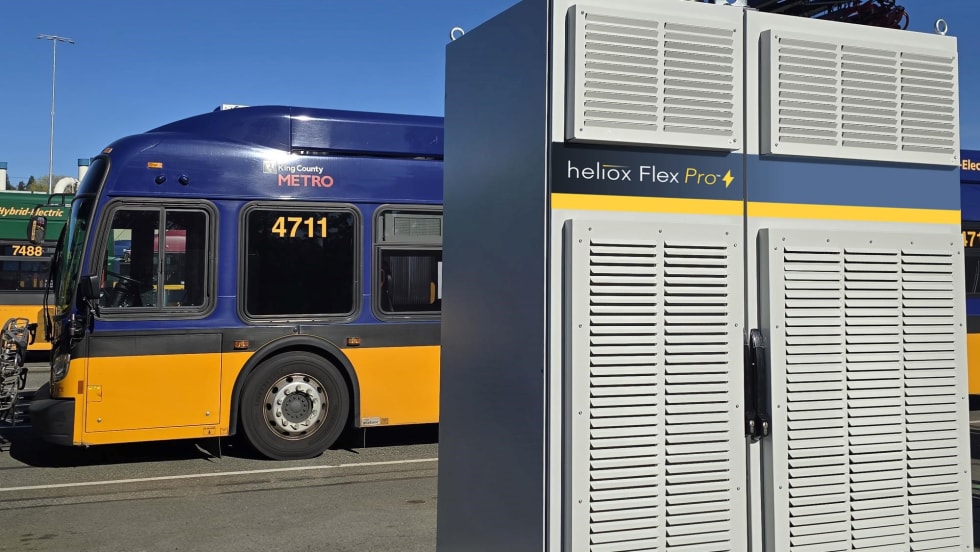
Heliox Pilots 480-kW Bus Charger with King County Metro
King County Metro is piloting Heliox’s new 480-kW Flex Pro charger to support expansion of its battery-electric bus fleet and depot charging infrastructure. The compact charging system supports pantograph and plug-in charging configurations for high-density transit operations.
Read More →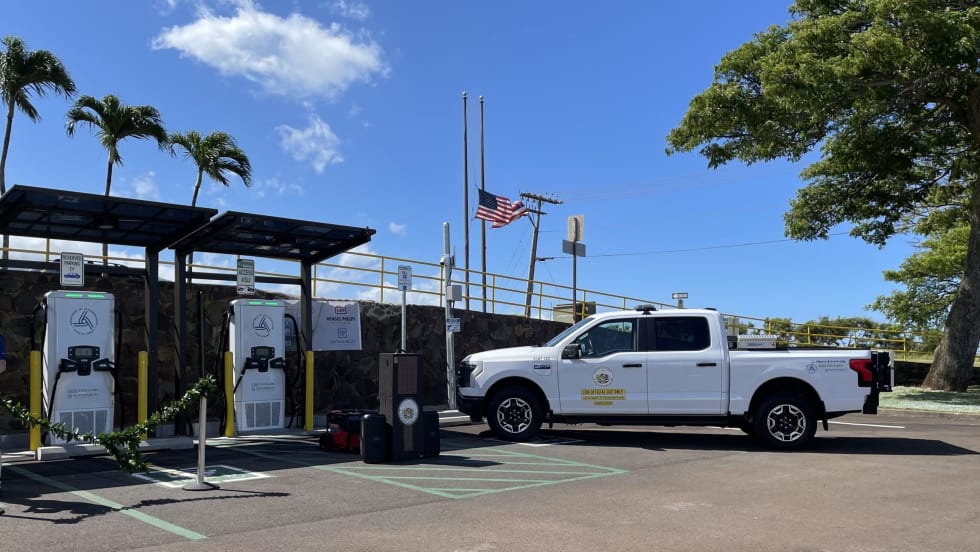
HDOT Commissions New NEVI Fast-Charging Site at Maui Kapalua Airport
HDOT, community leaders and project partners recently participated in a commissioning and blessing ceremony celebrating the opening of the new charging site.
Read More →
EV Efficiency Beyond the Battery
Eastman launched Saflex Evoca XIR.SR, an infrared-reflective interlayer for EV panoramic sunroofs designed to reduce cabin heat, improve occupant comfort, and support battery efficiency.
Read More →
Revisiting the EV Conversation | The Fleet Breakroom
EVs have been a major part of the fleet conversation for years, but where does that conversation stand now?
Read More →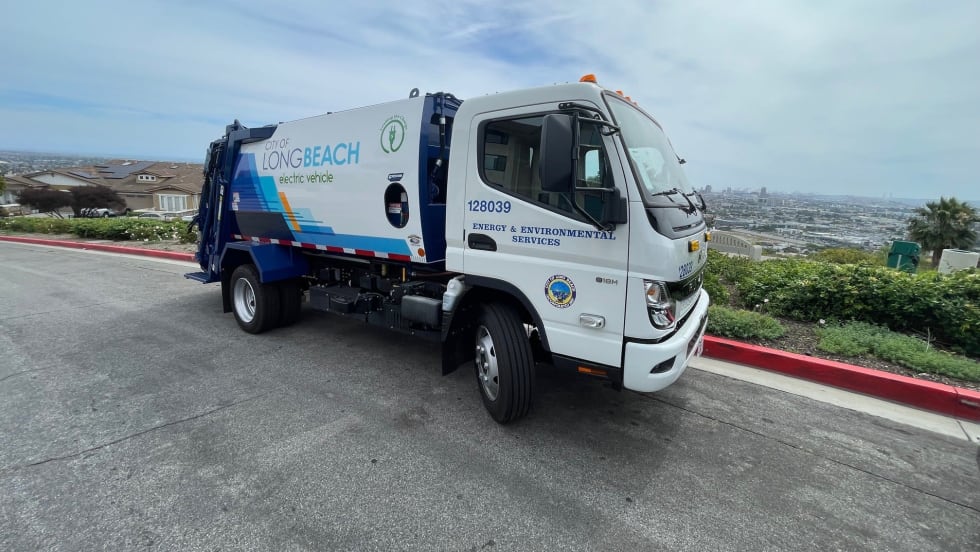
Long Beach Debuts First Electric Refuse Trucks in Fleet Pilot
The City of Long Beach, California, has unveiled its first two all-electric garbage trucks, marking the start of a pilot program as the city evaluates a broader transition away from compressed natural gas.
Read More →
Beam Global and HEVO Inc. Launch Market Ready Autonomous Charging Platform for Autonomous Vehicles
Beam Global and HEVO have launched an integrated autonomous wireless charging system that pairs off-grid solar EV infrastructure with wireless charging technology, designed to support autonomous vehicle operations and electric fleet deployments.
Read More →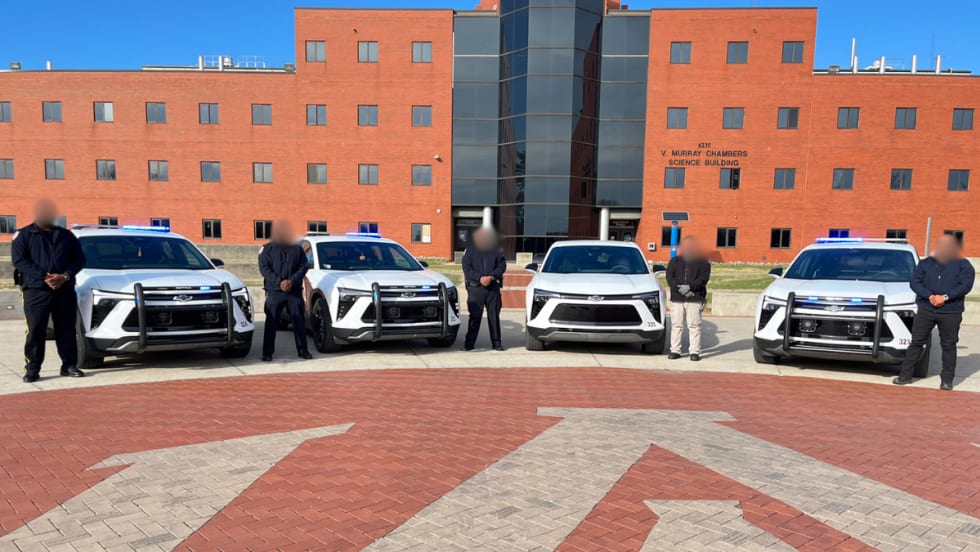
New EVs Part of Long-Term Investment Toward Zero Emissions
Alabama A&M University has added four electric patrol vehicles to its Department of Public Safety fleet, becoming the first university in the state to deploy electric police vehicles.
Read More →