




6 Questions About the 2015 Ford F-150
The truck's body is made of high-strength, military-grade aluminum alloy, which Ford says will not only reduce weight but also improve payload, towing, and fuel efficiency.

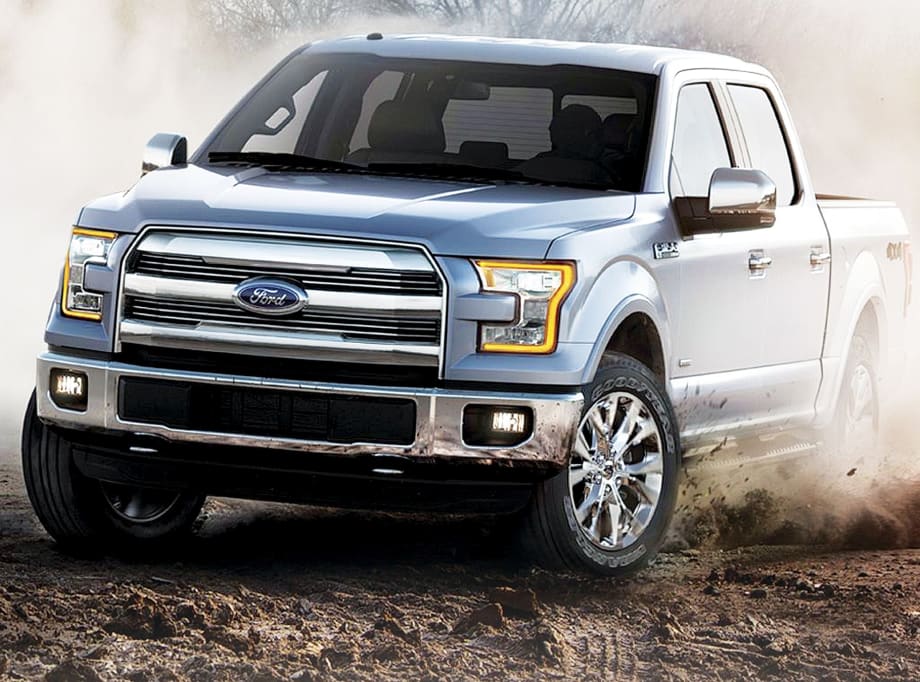
Photo courtesy of Ford
In January, Ford announced its 2015 F-150 truck would have an aluminum-alloy body, a change the company said would reduce the vehicle’s weight by 700 lbs., or 15%.
The truck features a frame made with more high-strength steel than before. The truck's body is made of high-strength, military-grade aluminum alloy, which Ford says will not only reduce weight but also improve payload, towing, and fuel efficiency.
The 2015 F-150 will be on sale late this year. What should fleet managers know about the vehicle and its new aluminum body? Government Fleet asked Mike Levine, Ford truck communications manager, questions we had (or have heard) about the truck.
1. What will be the cost difference for the aluminum-body truck? While high-strength aluminum alloy is more expensive than steel on a pound-for-pound basis, we’ve developed manufacturing efficiencies to reduce this cost as much as possible. We will discuss pricing closer to launch.
2. What is the expected MPG? The all-new Ford F-150 will be our most fuel-efficient yet. We still need to complete the fuel efficiency certification process and will discuss details closer to launch.
3. Does weighing 700 lbs. less affect the truck’s capability? Yes, it will enhance capability. Light weighting and improved capability aren’t mutually exclusive. As we remove weight from the F-150, we’re able to give our customers additional towing and payload capability because the truck can perform additional work with less effort, a key benefit of reducing weight.
4. How will aluminum affect body repair? Ford has used aluminum in body parts for years, such as in the hood of the 1997-2014 F-150. In many cases, the all-new F-150 may be easier to repair due to its innovative modular design. The majority of collision repairs can be completed by most body shops today, such as bumpers, grilles, mirrors, dings, and dents. Major collision repairs should be performed by aluminum-capable Ford dealers or independent body shops.
5. Will customers have to worry about corrosion? The high strength, military-grade, aluminum alloy in the new F-150 does not produce red rust like steel. We have gone to great lengths to develop coatings that will inhibit corrosion.
6. How is aluminum more “dent resistant” than steel in the previous F-150? We’ve improved dent resistance over the previous model in two ways: The high-strength aluminum alloy we use in the body is thicker than the steel we use in the previous model, and we have engineered reinforcement panels beneath the aluminum to help withstand impacts.
More Articles

Is Keeping Older Fleet Vehicles Really Saving Money?
Is keeping vehicles longer saving money, and what happens when a diagnostic test points to the wrong fix?
Read More →
How Smart Fleet Strategy Can Help Local Government Agencies Do More with Less
Keeping a vehicle longer may ease this year’s budget, but what does it cost the next one? A closer look at fleet decisions can reveal opportunities to reduce spending while protecting essential services.
Read More →
Connect with Government Fleet on LinkedIn
From industry news and fleet management strategies to conversations with peers, Government Fleet's LinkedIn page offers public-sector fleet professionals another way to stay informed and connected.
Read More →
Now What Should We Do? Looking Beyond the Pinpoint Test
When a pinpoint test leads to a replacement that doesn’t fix the problem, technicians need to look beyond the instructions.
Read More →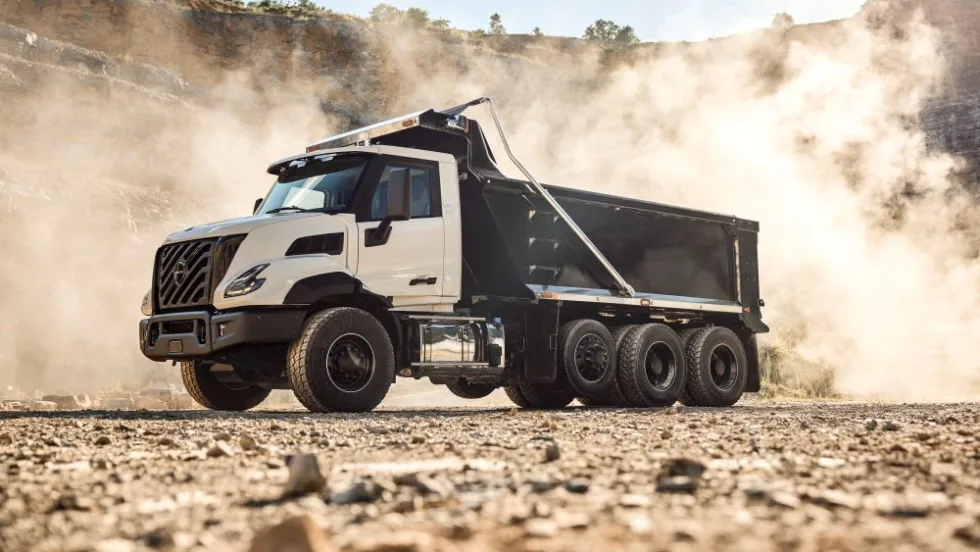
Volvo Trucks Unveils New Volvo VNX, a Vocational and Heavy-Haul Truck
The Volvo VNX features standard forward pedestrian detection that continuously scans for people in the truck's path, and optional blind-spot detection, now available on both sides.
Read More →
Town of Queen Creek Named Most Successful Fleet Award Winner of Inaugural RTA Fleet Success Awards
Five fleets were honored at RTA Connect 2026 in Chicago for excellence across resource efficiency, intentional culture, risk management, and stakeholder satisfaction.
Read More →
A buyer's guide to fleet management software in 2027
Buying fleet management software in 2027 means looking beyond features and price. As fleet operations, technology and expectations evolve, this guide explores what today’s fleet professionals should consider when choosing a system that can deliver value now and adapt to what comes next.
Read More →
Hazard Alerts, Fleet Car Sales Rise and a New Shuttle Concept
Fleet car sales doubled, but the bigger picture tells a different story in this week’s roundup.
Read More →
New Partnership Aims to Expand Public Digital Hazard Alert System Statewide
The Hawai’i Department of Transportation (HDOT) is expanding advance digital hazard alerts for the public statewide.
Read More →
How St. Johns County Turned Fleet Data Into Better Replacement Decisions
St. Johns County, Florida, had fleet data, but turning it into reliable decision guidance was another matter. Instead of starting over with a new fleet management system, the county connected existing tools and built a scoring system that gives managers an objective look at fleet health.
Read More →