MENU
MENU SEARCHMENUSEARCH
As public fleets navigate rapid change through AI, telematics, and increasing operational pressures, Larry Campbell believes the fundamentals of leadership matter more than ever. The longtime fleet leader reflects on accountability, integrity, and why earning trust remains the foundation of a successful fleet operation.
Read More →
When the grid fails, a power plan proves its value by holding up under real conditions, not the clean assumptions made on calm days.
Read More →
Effective crisis communication is critical for fleet leaders navigating high-stakes, fast-moving situations. Clear, timely messaging helps maintain trust, align teams, and ensure operational continuity when disruptions occur. By preparing key messages in advance, leaders can respond with confidence and credibility when it matters most.
Read More →
Fleet leaders preparing for disaster response often focus on readiness, speed, and safety. What’s frequently overlooked is how quickly compliance, documentation, and utilization controls can degrade under pressure.
Read More →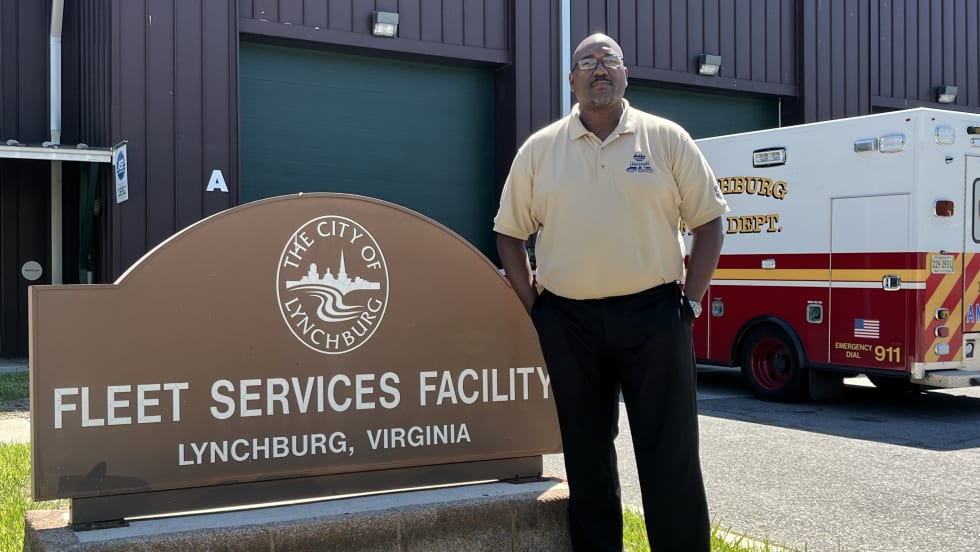
Veteran public sector fleet leader Ken Lett brings more than 20 years of experience in strategic planning, financial oversight, and technology-driven operations to his new role leading the City of Lynchburg’s fleet program.
Read More →
Recognizing excellence in public fleet leadership is no small task. Learn more about this year’s three outstanding finalists, and join us at GFX in Long Beach to see who takes home the honor.
Read More →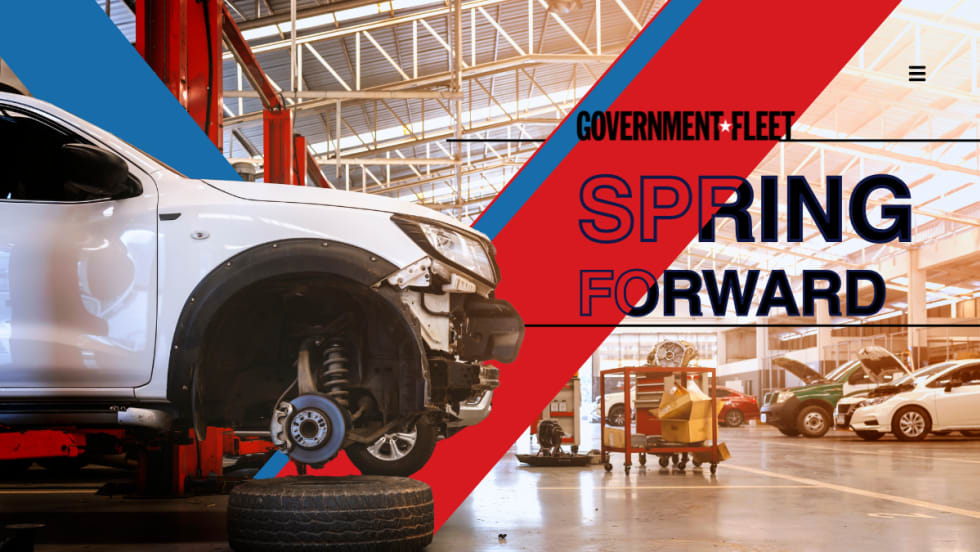
Government fleets carry extra weight, and routes, schedules, and public trust depend on reliability. A systematic spring checklist keeps vehicles in service when agencies need them most.
Read More →
With AI now embedded in fleet safety programs, public agencies have more tools than ever to address distracted driving. Part 2 explores how those tools are being used to spot risk sooner and act faster.
Read More →
Government fleets face a distinct set of challenges that make cost analysis both more difficult and more critical.
Read More →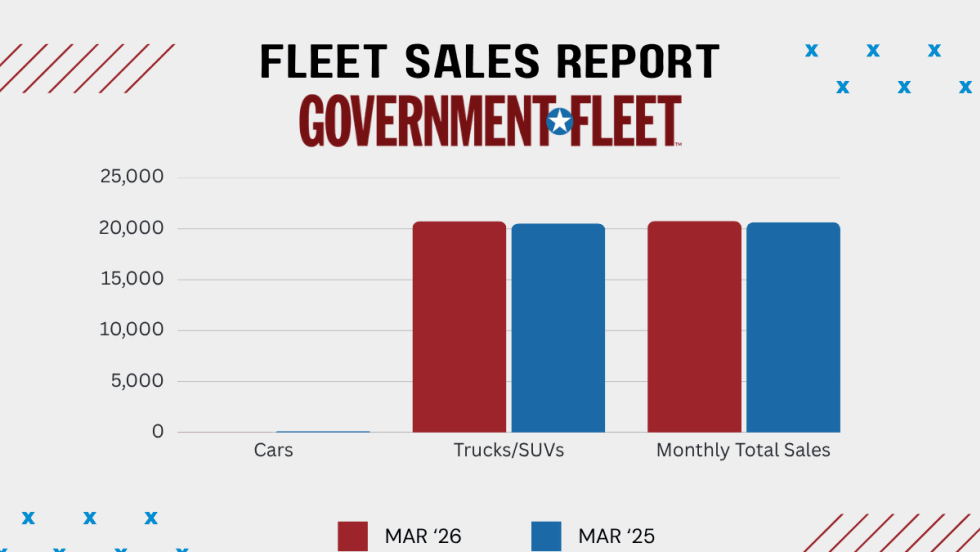
Government fleet vehicle sales increased by 1% in March, up from March 2025.
Read More →