




Maintenance Monitoring Systems Help Eliminate Excessive Idling
Automakers recognize 100 hours of engine run time is the same as driving a vehicle 3,300 miles. A maintenance monitoring system maximizes fuel efficiency and eliminates premature engine damage.
Fleet managers have been conditioned to conduct preventive maintenance based on intervals set by miles driven or hours of operation. However, to maximize fuel efficiency, consider installing a maintenance monitoring system [MMS]. The Greece, N.Y. police department is one such fleet that has already done so.
System Monitors Patrol Cars
Since 1992, the Greece, N.Y., police department has used SenDEC Corp.’s maintenance monitoring system to monitor all marked patrol cars.Now that SenDEC offers a warning light model, Officer Tom Wallenhurst said Greece PD will switch to these monitors in all new models. The monitor’s warning lights are set to illuminate at 250 engine run hours.
The monitor works similar to a “check-engine” light, alerting the driver that maintenance is needed. According to Wallenhurst, idle time increases vehicle wear and tear. SenDEC monitors are safety nets for officers who previously would surpass the typical 3,500-mile limit for an oil change.
The SenDEC 80x-215 digital hour/maintenance monitor features text and a warning light targeting vehicles with excessive idle time. The meter, and the entire line of SenDEC’s electronic instrumentation, meets military specifications and performance standards. A self-contained lithium battery provides 12- to 14-year operating life and continuous data display.
One advantage in using the Series 80x-215 Hour Meter, according to Wallenhurst, is that idling patrol cars are serviced on an hourly, rather than mileage, basis. Many officers carry laptops in their cars, and they usually don’t turn the engines off because they want to keep the computers running. The town of Greece also experiences cold winters and hot summers; therefore, officers keep the heat and A/C on at all times while the car is idling.
Crack Down on Idling
To establish proper maintenance intervals, compare hours to miles if vehicles are recording excessive idling time. According to research by Ford Motor Company, one hour of gasoline engine idle time equals 33 miles of driving. In other words, for vehicles with excessive engine idle time, such as a police or border-patrol unit, premature engine damage can occur without having driven many miles at all.
Monitoring Equipment Run Time
Elizabeth Laird, CEO of Laird Industries, U.S. distributor for federal and commercial defense contractors, believes maintenance monitors are a simple, cost-effective means of tracking actual equipment run-time. Since meters can be programmed for the service interval specified by the fleet manager and end user, vehicles are guaranteed proper, timely maintenance resulting in extended equipment life.
Providing Maintenance Alerts
The units function as an hour meter that accumulates and shows total run time or total engine idling time, depending on how the system is installed. For example, if connected to the oil pressure switch, the meter will display total engine run time. A text message display provides maintenance alerts at preprogrammed intervals to the driver/technician. When the meter is in flash alert mode, an amber LED lamp module illuminates. A service technician can manually reset the alert function when maintenance is finished.
The service alert interval is custom programmed by SenDEC according to the customer’s requirements. When service is due, the meter flashes the required maintenance task. The monitors record and display up to 99,999 hours.
More Operations

Fleetio Launches PartsTech Integration, Helping Fleets Save up to 15 Minutes on Each Purchase Order
Integration brings parts sourcing and ordering into one connected Fleetio workflow to reduce administrative work.
Read More →
What’s Holding Your Fleet Back?
Catch up on the week with news around creating a more structured operation, examining an outdated garage, and more.
Read More →
When Better Communication Makes Fleets More Efficient
How government fleet operations can use routine communication to address underused vehicles while giving employees and customer departments a clearer way to raise concerns.
Read More →
How Dakota County Built a More Structured Fleet Operation
Kevin Schlangen shares how Dakota County’s fleet moved from reactive repairs and limited oversight to a more structured approach built around planning, training, and long-term cost control.
Read More →
Is Your Fleet Ready Before the Storm Hits? | GovCast Cheat Sheet
Could better preparation before a storm and new vehicle technology help fleets recover faster while improving safety?
Read More →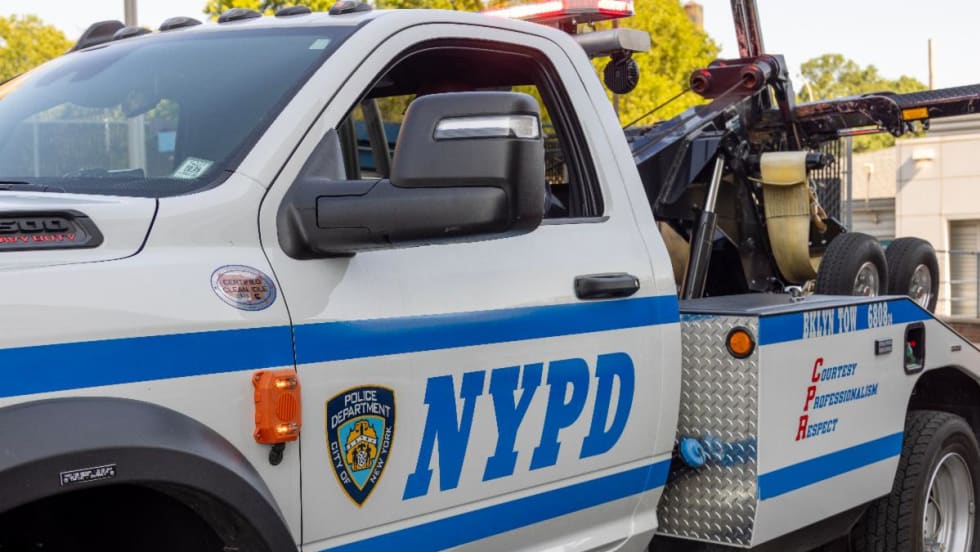
New York City Orders Safety Technology for Municipal Fleet
New York City is expanding the use of pedestrian alerts and intelligent speed assistance across its non-emergency fleet. The executive order establishes new technology requirements for future vehicle purchases while accelerating retrofits on thousands of existing municipal trucks.
Read More →
The Network Behind Better Government Fleet Decisions
A discussion on why relationships across the government fleet community have played such an important role and what shapes the leadership response.
Read More →
Ford, BlackRock, Google and Carhartt Form Skilled Trades Workforce Alliance
The alliance plans to develop a stronger pipeline between training programs and available jobs while examining workforce efforts already underway across the country.
Read More →
The Network Behind Better Government Fleet Decisions
A discussion on why relationships across the government fleet community have played such an important role and what shapes the leadership response.
Read More →
What Makes Fleet Technicians Stay? | GovCast Cheat Sheet
The technician hiring and retention discussion is not new, but the way fleets respond to it continues to matter.
Read More →