




GFX Coverage: Keynote Focuses on Improving Management Skills
DENVER – At the 2012 Government Fleet Expo & Conference (GFX), Bob Stanton, fleet manager for Hillsborough County, BOCC, gave the opening keynote address.
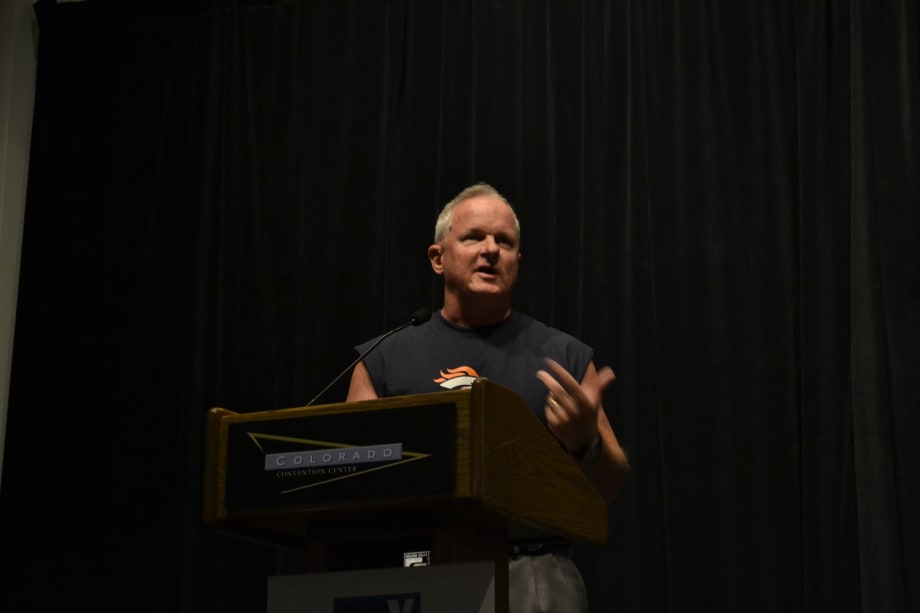
Bob Stanton gives the opening keynote address at GFX 2012.
Bob Stanton gives the opening keynote address at GFX 2012.
DENVER – At the 2012 Government Fleet Expo & Conference (GFX), Bob Stanton, fleet manager for Hillsborough County, BOCC, gave the opening keynote address. His address was titled TOPGUN Management: 5 Easy Targets to Trigger for Locked on Excellence. Emceeing the event was Kelly Reagan, fleet manager for the City of Columbus, Ohio.
General Motors sponsored the opening keynote, and the company’s Jack Smith briefly discussed the automaker’s commitment to customer service and the range of vehicles GM offers.
Stanton’s keynote started with a clip from the 1980s movie "Top Gun." He likened the “boots on the ground” on the deck of the aircraft carrier in the opening clip to the fleet services departments at government entities across the U.S., where the technicians and fleet management staff keep the police cars, ambulances, fire vehicles, and other assets used by public-sector fleets running and in good working condition.
He said that as a judge for the 100 Best, the thread running through all the submissions was the interest in improving demonstrated by fleet management professionals. From there, Stanton discussed the five “targets,” mentioned in his presentation’s title, to focus on, quoting the mnemonic All Good Kids Love Milk. The first letter of each word stands for a phrase that explained part of Stanton’s philosophy for achieving excellence in work and life.
All – Aim high in your work life, your hobbies, with your families.
Good – Get the big picture. Stanton said that this phrase used to be about getting all the information needed to make the right decision but said it’s about more than that now. Stanton went on to say that he believes fleet management professionals are in the customer confidence business; they make sure that the people driving and operating vehicle and equipment assets can get from point A to point B confident that everything will work properly when they need it most.
Kids – The first letter of this word stood for “keep your eyes moving.” Stanton emphasized the need to pay attention to what’s going on, for example noticing the accomplishments of employees.
Love – “Leave yourself out.” Stanton said the awards are for the people back home. He described the best fleet organization as one where the fleet manager is on the bottom of the organizational chart. He said it’s his job to provide his staff with the support and training they need to do their jobs.
Milk – “Make sure others see you.” Stanton said that fleet managers need to make sure that their supervisors, elected officials, and the community sees the fleet organization and learns about its accomplishments. He encouraged fleet managers to work with their communications departments to get the word out and to speak at local community organizations.
One other key point that Stanton made was his suggestion to fleet management professionals attending GFX that after the show, they should write a one-page white paper about the event that highlights what the fleet managers learned. He said this would prove the value of the conference to management and help each fleet manager hold themselves accountable and follow through on what they learned, and planned to do, after attending.
Kelly Reagan closed out the event with a reminder to appreciate those in our military and our emergency service responders, noting that close to Denver there are fire fighters working to put out a major forest fire.
By Greg Basich
More Operations
How Phoenix Is Building Its Next Generation of Fleet Technicians
With more than 8,000 vehicles and pieces of equipment to maintain, the City of Phoenix could not afford to wait for fully trained technicians to walk through the door. Instead, they revamped their entire workforce strategy and showed how public fleets can create their own talent pipeline while preparing existing employees for increasingly complex vehicles.
Read More →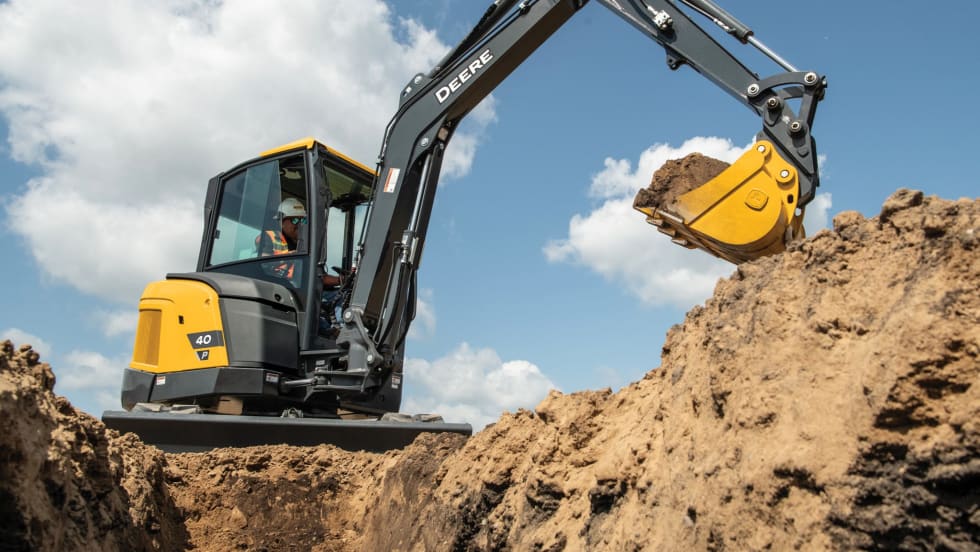
John Deere Introduces 40 P-Tier Compact Excavator
John Deere is adding a compact excavator designed for crews that need to move equipment between jobsites and handle multiple types of work with one machine. The 40 P-Tier weighs less than 10,000 pounds and offers configurable hydraulics, attachment options, and connected fleet-management capabilities.
Read More →
How Leading Fleets Improve and Why Business Plans Matter
This week, we look at what past Leading Fleet winners can teach us about making progress, plus how to build a business plan your fleet will actually use.
Read More →
Nominate a Fleet Leader for the 2027 Public Fleet Hall of Fame
Do you know a fleet leader who has made a lasting impact on the industry? Nominate this fleet professional for the 2027 Public Fleet Hall of Fame.
Read More →
Why Fleet Business Plans Need Three Perspectives
A fleet business plan should help agency leaders understand the fleet’s value, give the organization a clear direction, and establish shared expectations with customer departments.
Read More →
How Oil Analysis, Safety Technology, and Fleet Awards Drive Improvement
What happens when fleets let measured results guide their next decision?
Read More →
Emergency Response, Fleet Sales and New Technology
This week’s fleet news covers emergency preparedness, shifting vehicle sales, electric truck investments, and new tools for monitoring road conditions.
Read More →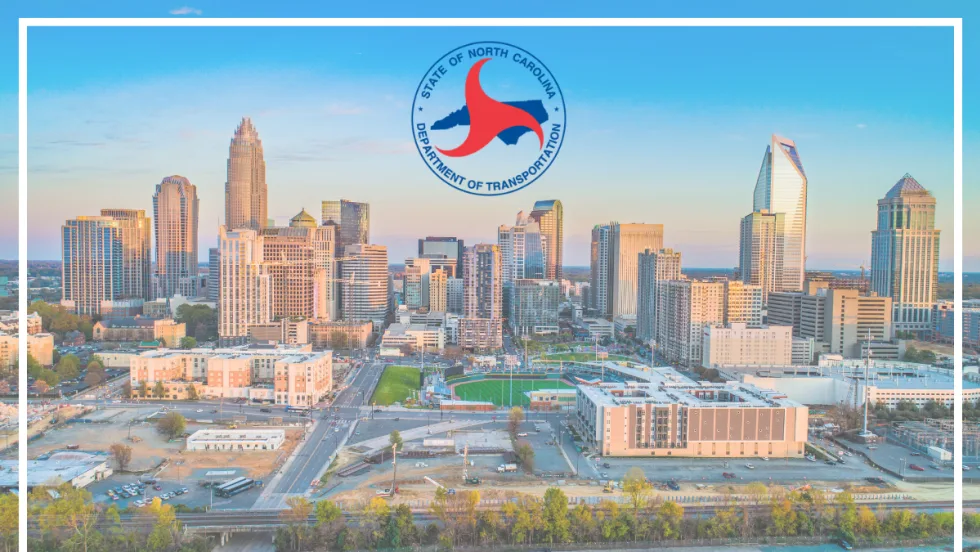
NCDOT Adds Dash Cam Imagery to Statewide Traffic Monitoring
North Carolina transportation officials are adding another set of eyes to roads that aren't covered by fixed traffic cameras. A statewide deployment gives NCDOT access to on-vehicle imagery to verify conditions during work zones, severe weather, emergencies, and other traffic events.
Read More →
Turning a Bottleneck Into a Blueprint: How Tallahassee Rethought Police Fleet Readiness
For Tallahassee, finally receiving 87 delayed police cruisers created a new problem: how to get them on the road without creating a massive backlog. The solution would change more than the upfit process.
Read More →
AI, Police Fleet Readiness and Fire Apparatus News
See how AI, a reworked police-vehicle upfitting process, and a fire apparatus acquisition could affect public fleet operations.
Read More →