




Ohio’s Auditor Says State Agencies Should Stop Using Biodiesel for Fleets
COLUMBUS, OH - By using regular diesel fuel over biodiesel, the report states, Ohio's Department of Transportation would save roughly $800,000 per year going forward.
COLUMBUS, OH – Ohio’s Auditor of State Dave Yost stated in a new report that the Ohio Department of Transportation (ODOT) has spent an extra $3.3 million on biodiesel fuel over the last four years in order to meet ODOT’s mandated use of biodiesel in its fleet vehicles. By using regular diesel fuel over biodiesel, the report states, ODOT would save roughly $800,000 per year going forward.
The auditor issued the interim performance report to ODOT Director Jerry Wray and recommended that the Ohio General Assembly revise the biodiesel requirement and instead let State agencies use regular diesel fuel in its fleet vehicles. The report found that State agencies paid $0.36 more per gallon than they would have paid for regular diesel fuel. ODOT used 2,568,359 gallons of biodiesel, or 202.4 percent of its yearly mandated amount of 1,268,983 gallons, in 2011.
“While the intentions of using biodiesel are good, government must be cost-effective,” Auditor Yost said. “The option to return to regular diesel fuel ensures that taxpayers receive the best value for their dollar.”
The Ohio Soybean Association (OSA), whose members’ products are used in the production of biodiesel in the state, opposes the auditor’s recommendation, however. The OSA says use of biodiesel offsets demand for traditional fuels, thereby keeping petroleum prices from increasing between 20 and 35 cents. The organization adds that biodiesel increases engine lubricity, thereby helping to lengthen the life of engines that use this fuel.
“Biodiesel is a sustainable, more environmentally friendly fuel made from renewable resources grown right here in Ohio,” said Bret Davis, OSA president and Delaware County soybean farmer. “It reduces our dependence on foreign oil, while also adding jobs and significant economic impact. By using a product grown and produced in our state, we are keeping our taxpayer dollars here and in our rural communities.”
OSA’s Executive Director Adam Ward said that although the organization appreciates the auditor’s intent, the overall economic and environmental benefits of using biodiesel weren’t represented in the report.
More Green Fleet

Sustainability Partners, Energy Systems Group Help Albuquerque Close the Gap on its 100% Renewable Energy Goal
The eight-site, 6 MW solar project has advanced the city toward 100% renewable energy for municipal operations.
Read More →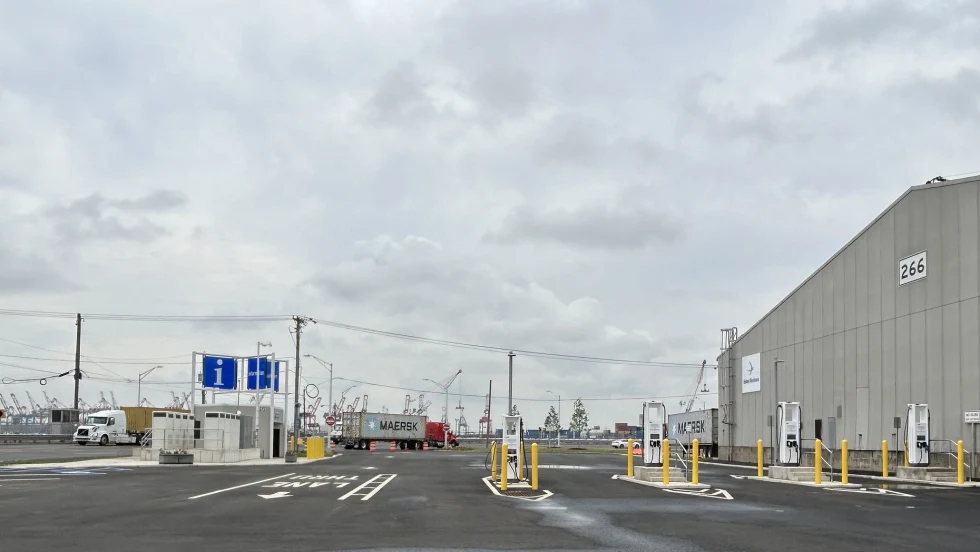
Port Authority and CALSTART Launch $45 Million Electric Truck and Charging Programs
The programs aim to boost sustainable operations across the East Coast's busiest seaport.
Read More →
Moving Government Fleets Beyond the Vehicle Purchase: EV as a Service
A discussion on how EVaaS is moving beyond pilot programs and what fleets should consider before beginning a larger deployment.
Read More →
Moving Government Fleets Beyond the Vehicle Purchase: EV as a Service
As fleets move beyond small EV pilots, Sustainability Partners CEO Adam Cain explains how EVaaS can address the infrastructure and long-term planning required for larger deployments.
Read More →
Peterbilt Expands Sourcewell Partnership with Electric Vehicle Lineup
The agreement aims to provide streamlined procurement of Peterbilt trucks for government, education, nonprofit and tribal organizations across the United States and Canada.
Read More →

EV Adoption & Charging Challenges
Where is your fleet in the journey of vehicle electrification? If you're still looking for answers to fleet electrification you've come to the right place.
Read More →
Hawaii Passes Clean Fuel Policy
Hawaii lawmakers passed clean fuel legislation that could support renewable natural gas production, biogas-powered transportation, and lower-carbon fueling options for public and commercial fleets.
Read More →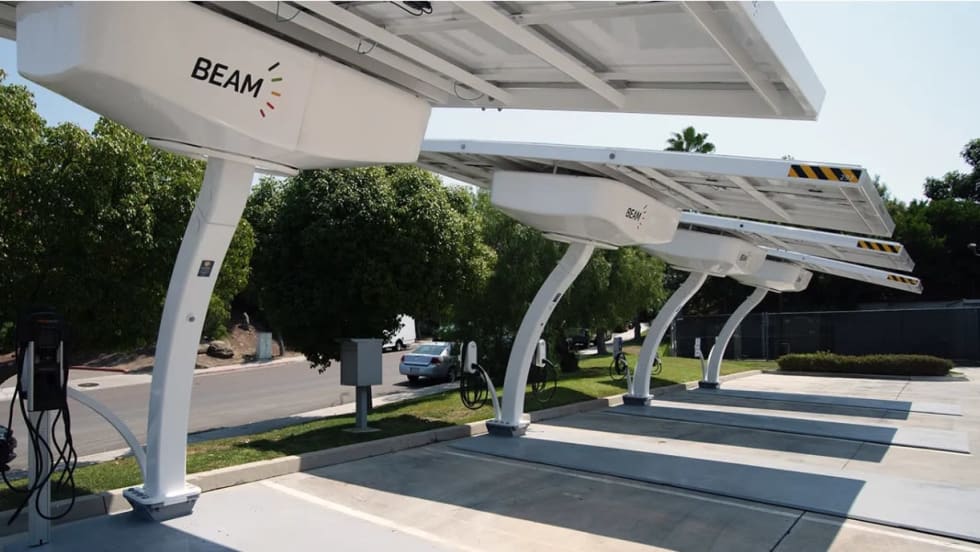
Stanislaus County Deploys Ten Beam Global EV ARC Systems to Support County Fleet Electrification
Stanislaus County deployed 10 off-grid solar-powered EV charging systems and a mobile charging trailer from Beam Global to support its electric fleet operations and emergency response flexibility.
Read More →
Heliox Pilots 480-kW Bus Charger with King County Metro
King County Metro is piloting Heliox’s new 480-kW Flex Pro charger to support expansion of its battery-electric bus fleet and depot charging infrastructure. The compact charging system supports pantograph and plug-in charging configurations for high-density transit operations.
Read More →