




San Diego’s City Workers Win Managed Competition for Street Sweeping Services
SAN DIEGO - The City workers’ bid came in 12% lower compared with previous costs. The City's Fleet Services division currently maintains 45 street sweepers, though this number could change due to cost-cutting measures.
SAN DIEGO – The City of San Diego announced that City employees won the bid to perform street sweeping services for the City. The City workers’ bid came in 12% lower compared with previous costs. The bid will save $560,000 in annual street sweeping costs without a reduction in service, according to the City. City workers beat out three independent contractors in the bidding process.
“The winning bid includes no reduction in service levels,” said San Diego’s Mayor Jerry Sanders. “In other words, our streets will be swept with the exact same frequency at a lower cost to taxpayers. Our employees have devised a plan to work smarter and more efficiently – which is exactly what managed competition is designed to do.”
Government Fleet spoke with John Clements, fleet manager for the City of San Diego, about how street sweeping’s reduced costs will affect fleet management. According to Clements, Fleet Services’ managed competition established an annual fixed price for all vehicle and equipment maintenance. With this being the case, the number of street sweepers the City will end up using, and fleet services will end up maintaining and repairing, will vary. The City currently operates 45 sweepers.
“If a substantial number of sweepers are reduced from the fleet, management will have to determine the financial impact and reduce fleet resources (labor, parts, etc.) accordingly,” Clements said. “The street sweepers will continue to be part of the vehicle replacement program, as are all other vehicles.”
At this point it remains to be seen the specific effects this change will have on fleet services.
More Operations
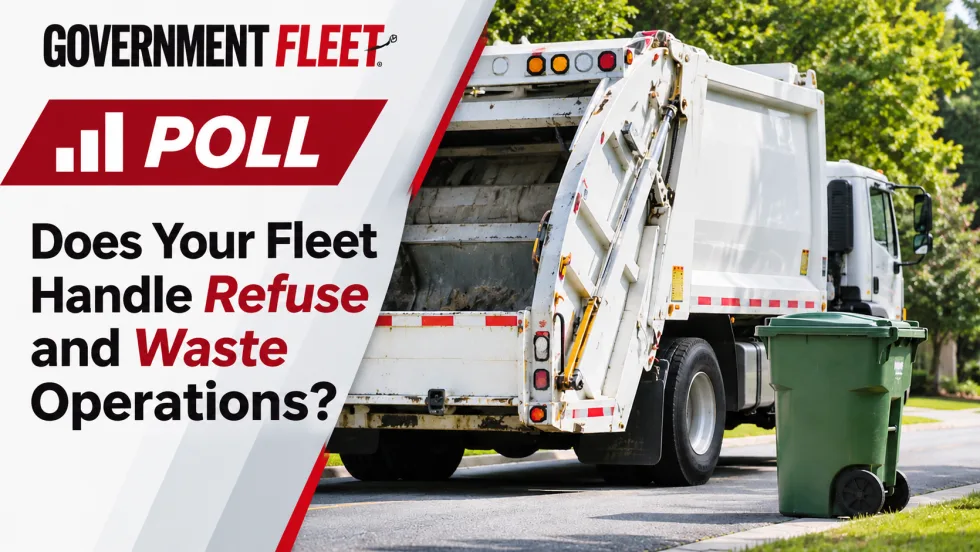
Does Your Government Fleet Handle Refuse and Waste Operations? Take Our Poll
Government Fleet wants to hear from public-sector fleet professionals about their responsibilities for refuse collection and waste management equipment.
Read More →
Fleet Replacement Decisions, Waste Fleet Technology and the GFX Deadline
Is your next vehicle the right fit, can your records settle a missed pickup dispute, and what could your fleet teach others at GFX 2027?
Read More →
Is Delaying Fleet Replacement Really Saving Money?
Could delaying replacement cost your fleet more than it saves? This week’s recap takes a closer look, plus an update on GFX 2027.
Read More →
What Government Fleets Are Missing About Their True Costs
What are fleet budgets missing, and how can agencies use the data they already collect to make a stronger case for change?
Read More →
Rethinking Fleet Decisions From the Budget Office to the Shop
This October we looked back at how public fleets are reconsidering familiar processes and using what they learn to make better decisions.
Read More →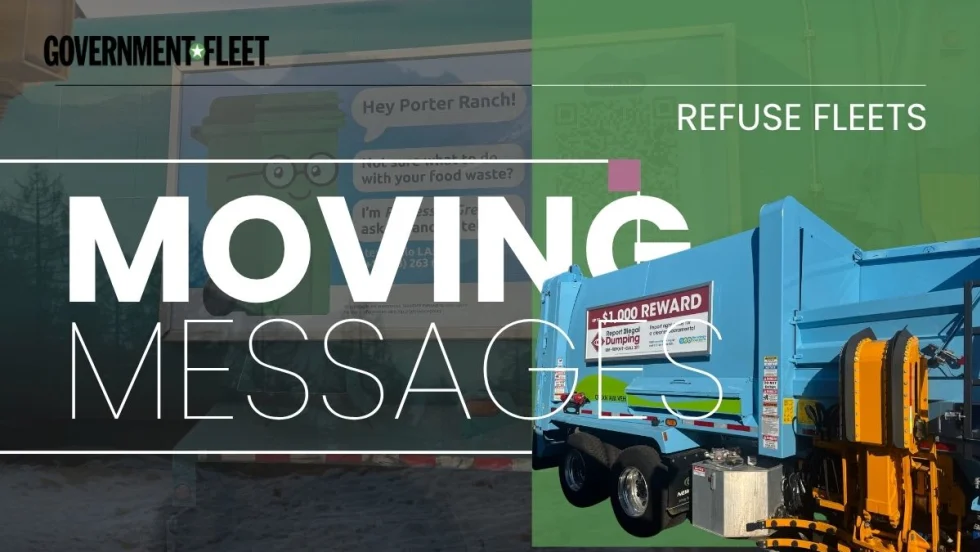
Who Owns the Message on a Refuse Truck?
Refuse trucks can carry public messages into neighborhoods, but keeping those messages current takes planning and clear responsibility.
Read More →
Who Deserves Fleet Recognition and What Could You Teach at GFX?
Who helped shape your fleet career, and what have you learned that could help someone else?
Read More →
What’s Haunting Public Sector Fleets?
Public sector fleet challenges rarely happen in isolation, and addressing one often means understanding how it connects to another.
Read More →
Is Keeping Older Fleet Vehicles Really Saving Money?
Is keeping vehicles longer saving money, and what happens when a diagnostic test points to the wrong fix?
Read More →
How Smart Fleet Strategy Can Help Local Government Agencies Do More with Less
Keeping a vehicle longer may ease this year’s budget, but what does it cost the next one? A closer look at fleet decisions can reveal opportunities to reduce spending while protecting essential services.
Read More →